
Procuring hotel carpets, curtains, and soft furnishings from China means specifying contract-grade textiles as a coordinated FF&E package—not buying decorative items one by one. For B2B buyers, developers, hotel owners, contractors, and procurement managers, a successful package defines what is included in each room and public area, fixes technical and fire-performance requirements for the destination market, approves samples and production references before bulk manufacturing, and plans inspection, packing, labeling, and consolidation so every item arrives ready for installation. Skyline Trading Co., LTD. supports this process from its Foshan HQ, Guangdong, China through B2B China sourcing, manufacturing coordination, and project procurement for hotels, resorts, villas, restaurants, healthcare interiors, and other commercial developments.
This guide explains how to structure a hotel carpet, curtain, and soft-furnishings procurement program from China: what the scope includes, which specifications matter, how to manage flame-retardancy and compliance documentation, how to control strike-offs and dye lots, how to compare quotations, and how to reduce the risks that cause delays, rework, or inconsistent results on site. Where installation or site works are involved, they should be treated as subject to the contractual project scope.
Quick Answer: What Does a Hotel Soft-Furnishings Package Include?
In most hotel projects, soft furnishings are the textile and fabric-based elements that shape comfort, acoustics, privacy, light control, and visual identity. They are usually part of the FF&E scope (and sometimes overlap with design-led accessories), while consumable operating items such as daily guest amenities belong to OS&E. The exact boundary should be written into the project scope and RFQ. For a clear distinction, see the hotel FF&E vs OS&E procurement guide.
| Category | Typical items | Where used | Key procurement focus |
|---|---|---|---|
| Floor coverings | Guestroom carpet, corridor carpet, ballroom/meeting carpet, area rugs, carpet tiles (project-dependent), underlay | Guestrooms, corridors, lobbies, function spaces, suites | Construction, durability by zone, color/pattern approval, roll widths, seams, backing, labeling |
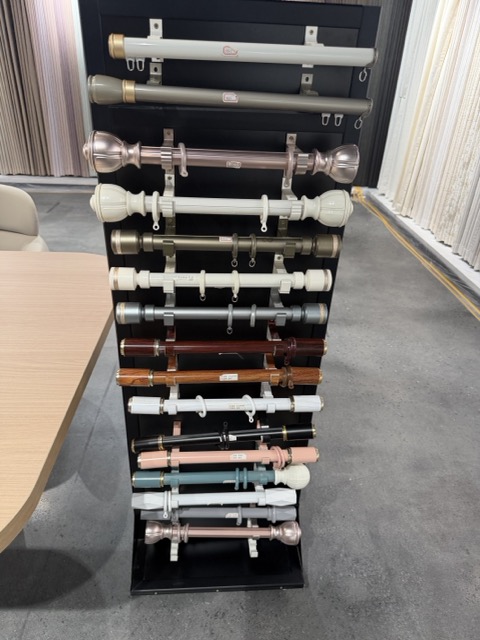
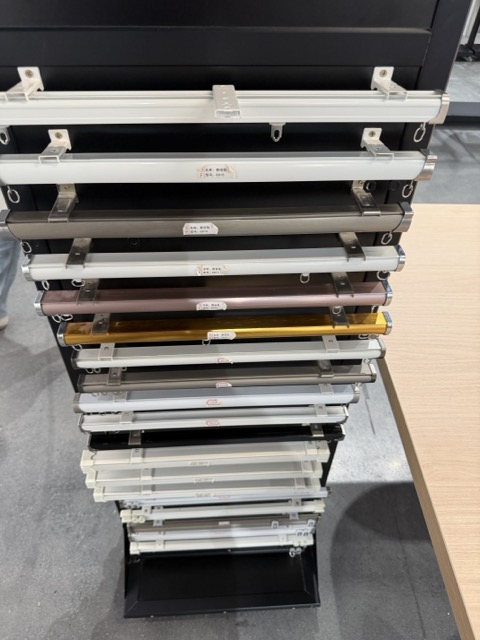
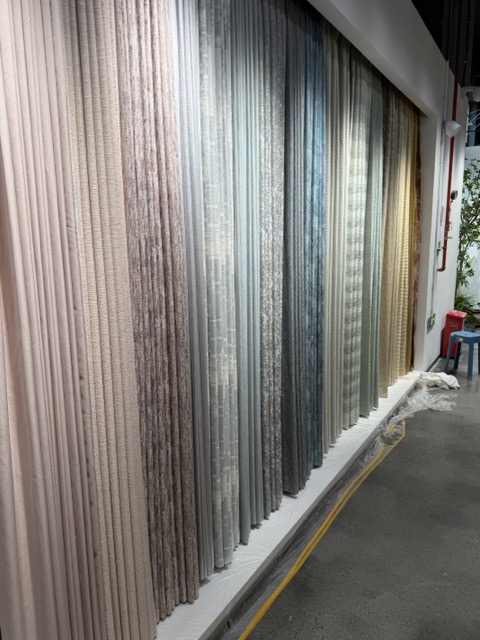
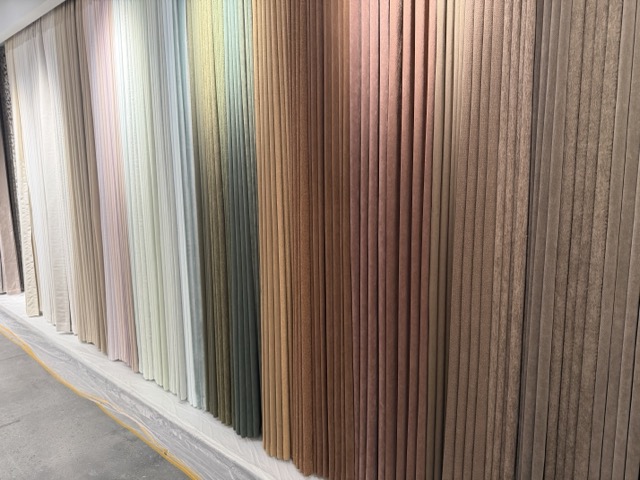
| Window treatments | Blackout curtains, sheers, dim-out drapes, linings, tracks/rods, tiebacks, pelmets/valances (if specified) | Guestrooms, suites, public areas, meeting rooms | FR standard, fullness, heading style, stack-back, lining performance, drop length, hardware compatibility |
| Upholstery textiles | Headboard fabric, sofa/chair upholstery, banquette fabric, panel fabric, outdoor-grade textiles where required | Guestrooms, lobby, F&B, meeting areas | Abrasion resistance, cleanability, colorfastness, seam behavior, coordination with furniture/foam/filling systems |
| Decorative soft goods | Cushions, throws, bed runners/scarves, decorative pillows (scope-dependent) | Guestrooms, suites, lounges | Design intent, insert quality, removable covers, quantities per room type, packaging |
Why Hotel Carpets, Curtains, and Soft Furnishings Should Be Procured as One Coordinated Package
Carpets, curtains, and upholstery are often sourced from different specialist factories, but they are experienced by the guest as one interior. Treating them as disconnected purchases creates avoidable risk: colors approved in isolation may clash under site lighting, lead times may not align, fire-test documentation may be incomplete for one item, and cartons may arrive without room-based identification. A coordinated procurement approach improves outcomes because it:
- Aligns design intent: finishes, textures, and tones are approved against the same room concept and mock-up.
- Controls compliance: each textile category is matched to the correct market and authority requirements before production.
- Synchronizes production: sampling, bulk manufacturing, and inspection milestones are planned together.
- Simplifies logistics: items can be consolidated, packed, and labeled for phased delivery when planned in advance (see mixed-container loading for hotel projects).
- Reduces total project friction: one clear schedule, one approval trail, and fewer surprises at receiving.
For hotel developments, this matters commercially: textiles influence guest perception, acoustic comfort, sleep quality, brand standards, and maintenance cost. A low unit price is rarely a good outcome if the carpet shows premature wear in corridors, drapery fails a required fire test, or replacement batches do not match.
Step-by-Step Procurement Process for Hotel Textiles from China
A disciplined sequence keeps specifications, approvals, and shipments under control. The steps below can be adapted to new builds, refurbishments, and phased projects, provided the scope and contractual responsibilities are clearly defined.
1. Build a room-by-room textile schedule
Start with a quantified schedule by room type and public area: carpet area or roll quantities, curtain widths/drops and sets, sheer/blackout layers, track lengths, upholstery meterage, cushion counts, and any accessories. Link each line to drawings, elevations, and finish codes. A well-prepared scope makes quotations comparable and reduces variation claims. If you are structuring tender documents, the guides on BOQ vs RFQ for hotel FF&E and hotel FF&E scope and exclusions in an RFQ are useful references.
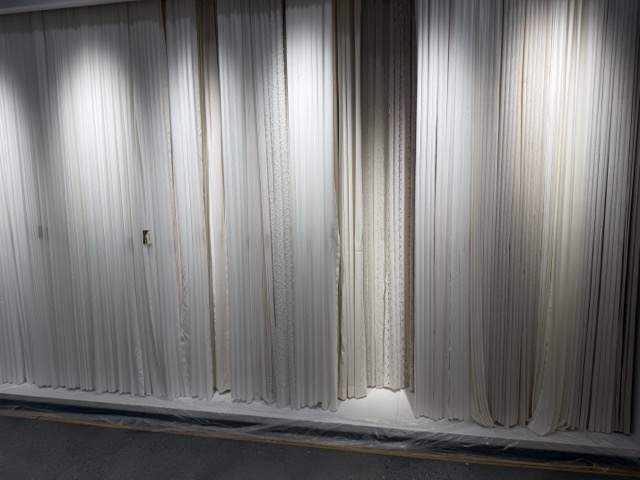
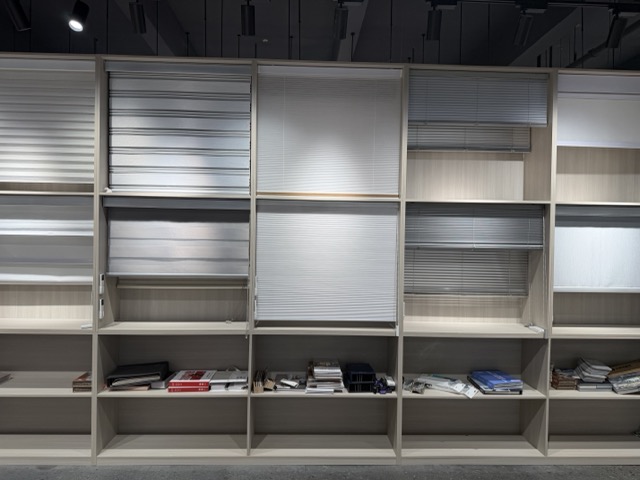
2. Define performance requirements, not just appearance
For every textile line, specify both aesthetic and performance criteria: construction, composition, color/pattern reference, durability class, fire-performance requirement, light/blockout needs, acoustic expectations (where relevant), backing/lining, care considerations, and acceptable tolerances. Appearance-only briefs lead to substitutions that look similar in a sample book but behave differently in service.
3. Qualify suppliers and verify capability
Different products require different manufacturing strengths: woven carpet mills, tufted carpet producers, drapery workrooms, track/hardware suppliers, and upholstery fabric mills are not interchangeable. Verify legal entity, production scope, export experience, quality controls, and the ability to provide relevant test reports for the exact construction offered. A structured China supplier verification process helps separate capable manufacturers from trading-only offers when that distinction matters.
4. Approve samples, strike-offs, and mock-up references
Approve physical samples under the right lighting conditions and keep signed or sealed reference standards (“golden samples”) for production and inspection. For carpets and printed textiles, require strike-offs and confirm pattern scale, color placement, and edge matching. For curtains, approve full make-up details (heading, fullness, hem, lining, joins). A hotel mock-up room approval is the best place to validate how textiles work together with furniture, lighting, and finishes.
5. Lock documentation, production plan, and inspection gates
Before mass production, confirm shop drawings/make-up sheets, cutting lists, test-report applicability, packaging method, carton/roll marks, and production milestones. Agree inspection checkpoints and acceptance criteria. Pre-shipment checks should verify quantity, workmanship, measurements, color against approved references, labeling, and packaging integrity; see pre-shipment inspection and AQL sampling for how inspection logic is commonly applied in project sourcing.
6. Plan consolidation, shipping, and receiving
Textiles should be packed to protect against moisture, crushing, abrasion, and mis-sorting. Cartons and rolls need clear marks (project, area, room type, item code, quantity, orientation). When textiles ship together with other FF&E items, load planning and documentation control become critical; coordinated logistics reduce site confusion and damage risk. Installation sequencing and on-site handling should follow the agreed contractual scope.
Hotel Carpet Specifications: What Buyers Should Define
Hotel carpet is a performance product. The right specification depends on traffic intensity, rolling loads, maintenance regime, acoustic goals, and design complexity. Buyers should avoid vague requests such as “luxury hotel carpet” and instead define construction and service conditions by area.
Common carpet constructions for hospitality projects
- Woven Axminster: A traditional choice for corridors, lobbies, ballrooms, and branded hospitality areas where intricate patterns, color clarity, and long design repeats are important. Hospitality Axminster is often specified in wool/nylon blends—for example, blends around 80% wool and 20% nylon appear in some contract specifications to balance appearance, resilience, and strength—but this is an example ratio, not a universal or mandatory standard. Exact composition, yarn system, pitch/row density, and backing should be confirmed per product and supplier and matched to the project’s performance expectations.
- Tufted carpet (cut pile, loop, or cut-and-loop): Widely used in guestrooms and selected public areas. Cut pile can deliver a softer, more residential feel in rooms, while level-loop or low-profile constructions are often chosen for areas that need stronger resistance to tracking and crushing. Specifications should state yarn type (for example, solution-dyed nylon is one option that may suit certain commercial requirements because of its color-performance and cleanability characteristics, but it is not automatically the best choice for every hotel), face weight, pile height, density, gauge/stitch rate as applicable, primary/secondary backing, and any cushion backing. The final choice should depend on project specifications, appearance goals, maintenance regime, and budget.
- Carpet tile/modular carpet: Sometimes used in meeting rooms, offices, corridors in select concepts, or back-of-house areas depending on design and maintenance strategy. Tile size, backing type, installation method, and the ability to replace individual tiles should be planned with the operator’s maintenance team.
- Area rugs and inset rugs: Often used as decorative or zoning layers in suites, lobbies, and lounge areas. These require edge finishing/binding, size tolerance, anti-slip considerations, and coordination with the underlying floor finish and door clearances.
Technical parameters to include in a hotel carpet specification
A carpet quotation or submittal is only meaningful when the technical basis is clear. Depending on product type and project requirements, buyers and designers typically define:
- Construction and material: woven or tufted method, fiber composition, yarn type, dye method, and pattern repeat/scale.
- Performance indicators: pile weight/total weight, pile height/thickness, density, and any performance classifications or test results required by the brand, designer, or authority.
- Backing and installation system: action back, felt/cushion backing, unitary backing, or other systems; seam method; adhesives or installation accessories where in scope.
- Color and design control: approved strike-off, color references, lot continuity, and how pattern matching will be handled at seams and transitions.
- Roll planning: roll widths, cut lengths, planned seam locations, wastage allowance, and attic stock for future repairs.
- Use conditions: expected traffic level, rolling loads (luggage/service carts), chair movement, and maintenance regime.
Because test methods and performance benchmarks differ by market and brand standard, the project team should state the required methods/reports explicitly rather than relying on generic “hotel grade” descriptions.
Zone-based specification logic
| Hotel zone | Typical priorities | What to specify | Practical notes |
|---|---|---|---|
| Corridors | High traffic, luggage wheels, soil visibility, acoustics | Durable construction, patterning that masks traffic, stable backing, clear seam plan, roll widths | Plan transitions, door clearances, and replacement strategy for damaged sections |
| Guestrooms | Comfort underfoot, quieter feel, warm appearance | Appropriate pile/face weight, stain resistance, color consistency, underlay choice | Balance softness with cleanability and long-term appearance retention |
| Lobby & public areas | Brand statement, heavy footfall, furniture loads | Pattern precision, wear performance, edge/seam detailing, entrance matting interface | Mock-ups help confirm scale and color under real lighting |
| Ballroom/meeting rooms | Large spans, chair movement, acoustic control | Roll layout, seam placement, pile recovery, maintenance plan | Confirm how furniture movement and event turnover affect wear |
Carpet sampling: strike-offs, dye lots, and pattern control
Strike-off: a pre-production sample produced to confirm color, pattern, yarn, and construction before bulk manufacturing. Dye lot: a production batch dyed under the same conditions; variations between lots can be visible in large installations. To control risk, buyers should:
- Approve strike-offs against the design intent and the mock-up lighting environment.
- Request production to be planned by dye lot/sequence where continuity matters (especially long corridors and large public areas).
- Define acceptable color tolerance and how side-by-side comparisons will be judged.
- Record roll numbers, lot references, and installation zones on packing lists and labels.
- Reserve attic stock or agree a reorder strategy for future repairs, recognizing that exact future matches depend on specifications and production conditions.
Hotel Curtains and Drapery: Specifications That Prevent Costly Rework
Curtain packages fail most often because of measurement errors, unclear make-up details, or missing performance requirements. A complete curtain specification should cover appearance, function, hardware interface, and compliance.
Layers and functions to define
- Sheer curtains: daylight diffusion and privacy; specify openness, color, heading, and stacking behavior.
- Blackout or dim-out curtains: sleep comfort and light control; specify lining/coating, light leakage expectations at edges, and overlap/return.
- Decorative drapes: visual framing and brand character; specify face fabric, interlining (if any), fullness, and hems.
- Tracks, gliders, and accessories: define load, draw direction (manual/motorized where applicable), bend/return details, and fixing coordination with site conditions.
Make-up details buyers should include in the RFQ
| Item | What to specify | Why it matters |
|---|---|---|
| Finished size & drop | Confirmed width/drop per opening, floor clearance, sill or puddle requirement | Prevents remakes and on-site alterations |
| Fullness ratio | Gather/fullness (for example, project-dependent ratios agreed in design) | Controls appearance, stack width, and fabric consumption |
| Heading type | Pinch pleat, wave, eyelet, hook tape, or other system as designed | Determines hardware compatibility and finished look |
| Lining & interlining | Blackout/dim-out lining, thermal/acoustic interlining if required | Affects light control, drape, durability, and compliance of the combination |
| Joins & pattern match | Seam positions, pattern alignment, vertical/horizontal repeats | Avoids visible mismatches in large drops or wide openings |
| Labels & traceability | Room/area ID, fabric reference, care information where required | Supports installation, maintenance, and auditability |
Measurement, stack-back, and hardware coordination
Curtains are manufactured to measured openings, so site information must be reliable. Before finalizing production sizes, confirm finished floor levels, ceiling bulkheads, window mullion positions, reveal depths, and any obstructions such as FCUs, sensors, or sprinkler heads. Two details are especially important in guestroom design:
- Stack-back: the space curtains occupy when fully opened. If stack-back is not planned, drapery can block daylight or interfere with the view even when “open.” The required stack width depends on fabric thickness, fullness, heading type, and track system.
- Returns and overlaps: side returns, center overlaps, and track projection help control light leakage at edges—critical for blackout performance in guestrooms.
Track and hardware selection should be coordinated with curtain weight, draw method, and fixing substrate. If motorized operation is part of the project, control interfaces and responsibilities must be defined in the scope (and any electrical/control integration should follow the project’s design and contractual requirements).
Public-area drapery and special conditions
Ballrooms, meeting rooms, restaurants, and lobbies often require wider spans, higher drops, heavier fabrics, acoustic linings, or divisible-room configurations. These conditions increase the importance of accurate surveys, engineered fixing details, join planning, and access/maintenance considerations. Public-area curtains may also be subject to stricter documentation or inspection expectations depending on occupancy type and local regulations.
Fire Performance for Hotel Textiles and Upholstered Elements: Standards, Tests, and Documentation
Flame performance is one of the most important—and most misunderstood—parts of hotel textile procurement. Requirements depend on the country/region, occupancy, authority having jurisdiction, insurer, and brand/operator standards. Buyers should confirm the required standard, edition, classification, and test method before ordering fabrics or approving treatments, and should require test reports that clearly identify the exact product tested (including fabric reference, composition, construction, finish/treatment, and—where applicable—the exact lined or composite combination supplied). Requirements for floor coverings, curtains/drapes, and upholstered furniture systems are different and must be specified separately for each product category and project.
Floor coverings and hotel carpets: fire requirements are separate from curtains
Hotel carpets, rugs, and other floor coverings are assessed under different fire-test and classification requirements than curtains or drapery fabrics. The applicable test method, classification, specimen preparation, and acceptance criteria depend on the country, building code, occupancy, authority having jurisdiction, and project specification. Buyers should not assume that a curtain/drapery standard or report applies to carpet, or that one floor-covering result is accepted everywhere.
For each carpet area (guestrooms, corridors, lobbies, ballrooms, stairs, or other zones as specified), define the required floor-covering fire performance in the RFQ/specification, request documentation for the exact construction supplied (including backing/underlay where relevant to the tested system), and confirm acceptance with the project’s fire/compliance stakeholders before production and installation.
Common curtain and drapery standards/specifications buyers encounter
| Standard / scheme | Where commonly referenced | How it is generally used | Buyer caution |
|---|---|---|---|
| NFPA 701:2023 | United States (widely referenced by codes/authorities) | Standard methods of fire tests for flame propagation of textiles and films; the applicable test method depends on material type and weight | Confirm the required test method, the current edition required by the authority, labeling/documentation expectations, and any local/state project requirements |
| BS 5867-2:2008 | United Kingdom (also specified in some international projects) | Specification for fabrics for curtains, drapes, and window blinds—flammability requirements (Part 2). It defines flammability performance Types A, B, and C with different application/durability contexts for fabrics and fabric assemblies, including lined curtains | Specify the required Type (A, B, or C as defined in BS 5867-2:2008) in project documents and verify its definition/requirements in the standard. Testing/reporting must match the actual curtain combination supplied (including lining/interlining where present). Type C includes testing after a specified cleaning procedure; confirm the required cleansing/durability condition and do not cite “BS 5867 Part 2” without the edition/year |
| EN 13773:2003 | Europe (classification scheme referenced in some projects/specifications) | Classification scheme for the burning behaviour of curtains and drapes, used with relevant EN test methods | EN 13773:2003 is a classification scheme, not a blanket approval for all projects or countries. Adoption/status and the version accepted can vary by national body and specification (for example, some national adoptions may be listed differently from the base EN). Do not assume automatic acceptance across Europe—state the standard, edition/version, and required class adopted in the project/country specification and verify against the authority’s requirements |
| AS/NZS 1530.3:1999 | Australia / New Zealand (project- and authority-dependent) | Test method for materials/components that provides indices for ignitability, flame propagation, heat release, and smoke release under defined conditions | Use caution in wording: this is not a curtain-specific acceptance test by itself. Do not present it as automatic proof of acceptance for drapery applications. Confirm with the authority having jurisdiction, fire engineer, and project specification which test/criteria apply to the specific product/application; results are not directly interchangeable with BS, EN, or NFPA outcomes |
Important: A report for a face fabric does not automatically cover the same fabric when sewn with a different lining, interlining, coating, backing, or finish. If the curtain is supplied as a lined or assembled combination, the tested and documented combination should match the delivered product. Standards, editions/versions, classifications, and acceptance criteria should be verified against official sources and the project’s fire strategy and country-specific requirements.
Do not confuse curtain tests with upholstery and seating-system fire requirements
Curtain and drapery flammability requirements are not the same as fire-performance requirements for upholstered furniture. For sofas, chairs, banquettes, headboards, and other upholstered items, the applicable requirements may relate to the complete seating or upholstered assembly (for example, cover fabric in combination with foam/filling, interliners, and construction), depending on the market, occupancy, and authority. A fabric that is specified for curtains should not be assumed suitable for seating applications without checking the project’s furniture/upholstery fire requirements and the relevant test evidence for the actual system supplied. Coordinate textile selection with the furniture manufacturer and the project’s compliance team to avoid mixing incompatible test regimes.
Inherently flame-retardant (IFR) vs. flame-retardant (FR) treated fabrics
| Aspect | Inherently FR (IFR) | FR-treated / finished |
|---|---|---|
| How performance is achieved | Flame resistance comes from the fiber’s inherent properties | Flame resistance is achieved by chemical treatment/finish applied to the fabric |
| Durability considerations | Generally designed to retain performance over the fabric’s life when used and maintained appropriately | Performance depends on treatment quality and the cleaning/wash conditions covered by testing and care instructions |
| Documentation to request | Test reports for the exact article, plus fiber/content and care guidance | Test reports showing the exact fabric/treatment and any cleansing/wash protocol relevant to the classification or performance claimed |
| Typical procurement risk | Higher material cost in some cases; limited design options for certain looks | Mismatch between real maintenance and tested conditions; unclear traceability of finish batches |
Buyers should align the fabric choice with the project’s maintenance reality (for example, how often drapes will be cleaned and by which method) and insist that claims on labels, quotations, and certificates refer to the same product reference.
Upholstery and Decorative Soft Goods: Specifications Beyond Color
Upholstery fabrics and decorative textiles connect directly to seating, headboards, and loose furnishings. When hotels source custom hotel sofas or other upholstered items, fabric selection should be coordinated with frame construction, foam/filling, intended use, and the applicable fire-performance requirements for the complete furniture system—not selected as an isolated swatch.
- Abrasion and durability: Specify an appropriate abrasion requirement for the application (for example, Martindale or another recognized method as required by the project/specifier). Public-area seating typically needs higher durability than low-contact decorative items.
- Colorfastness and stability: Define expectations for light, rubbing, and cleaning as relevant; confirm batch consistency.
- Cleanability and maintenance: Consider stain resistance, cleaning codes/methods, and whether covers are removable for selected items.
- Pilling, seam slippage, and hand feel: Evaluate on approved samples and during mock-up review.
- Composition and backing: Record fiber content, coating/backing, and any treatment applied.
- Decorative items: For cushions, throws, and runners, specify size, filling/insert, closure, stitching, and packaging so quantities per room type are delivered correctly.
Soft furnishings that touch multiple suppliers (fabric mill, upholsterer, furniture factory) need a single controlled specification and a shared approval reference to prevent “same name, different result” substitutions.
Quality Control, Inspection, and Acceptance Criteria
Textile quality problems are often discovered too late—after cartons are opened on site. A practical QC plan defines what will be checked, when, and against which approved reference.
What to check before and during production
- Pre-production: confirm approved strike-offs/samples, material datasheets, make-up sheets, and test-report applicability for the exact product and combination.
- In-process (where feasible): monitor color continuity, cutting accuracy, stitching quality, heading formation, and pattern matching on early pieces.
- Pre-shipment: verify quantities by item/room type, dimensions, workmanship, labeling, packaging condition, and conformity to the approved reference.
Typical defects and risks to watch
- Shade variation between rolls, panels, or batches outside the agreed tolerance.
- Pattern misalignment, incorrect repeats, or inconsistent motif placement.
- Incorrect finished drop/width, fullness, or heading execution.
- Damaged edges, crushing, moisture exposure, or contamination from poor packing.
- Missing or incorrect labels, room codes, or piece counts.
- Documentation gaps (test report does not match supplied fabric/combination or required market/edition).
Inspection findings should be recorded with photos, measurements, and traceable item references so corrective actions are specific. For project buyers, this is part of protecting schedule and opening readiness—not just checking boxes.
A practical acceptance checklist for textile shipments
- Confirm the shipment matches the approved schedule by item code, room type, colorway, and quantity.
- Compare production pieces against the sealed sample/strike-off under suitable lighting.
- Measure key dimensions (finished width/drop, roll lengths, rug sizes) against agreed tolerances.
- Check workmanship: seams, hems, headings, pleats, pattern alignment, edge binding, and backing condition.
- Verify labels, roll/carton marks, and packing-list consistency for room-based delivery.
- Review test/compliance documents supplied with the order for correct product references, standards, editions, and required classifications.
- Record nonconformities clearly and agree corrective action (rework, replacement, or controlled acceptance) in writing.
Packing, Labeling, Consolidation, and Delivery Planning
Soft furnishings are easy to damage and easy to misplace on a busy site. Packing and logistics should be designed around installation logic, not only container fill.
- Protect the product: use appropriate wrapping, edge protection, roll cores/tubes, and moisture barriers; avoid compression that creases or deforms finished goods.
- Label for the project: every carton/roll should show project name, item code, room type/area, quantity, dimensions (where useful), and handling notes.
- Pack by zone or room type when possible: supports phased receiving and reduces sorting time on site.
- Align documents: packing list, carton marks, and the procurement schedule must match.
- Consolidate intelligently: textiles can often ship with other project items, but load planning must prevent crushing and contamination. Apply the same consolidation principles used for mixed project loads, with extra protection for rolls, finished drapery, and labeled room sets.
Receiving on site and handling claims
Even when goods leave the factory in good condition, damage or loss can occur in transit or during unloading. A basic receiving discipline reduces disputes and recovery time:
- Check external packaging condition on arrival and note visible damage before unpacking where possible.
- Count rolls/cartons against the packing list and separate items by room type, floor, or area immediately.
- Unpack and inspect a sensible sample promptly so concealed issues are identified early.
- Store textiles in a clean, dry, ventilated area off the floor, protected from sunlight, dust, and site works.
- Keep labels, lot/roll IDs, and photos linked to any claim or replacement request.
Responsibilities for freight claims, insurance, replacement production, and re-delivery depend on Incoterms and contract terms, so these should be agreed before shipment rather than after a problem occurs.
How to Compare Supplier Quotations for Carpets and Curtains
A lower quote can hide a different specification. Normalize offers before comparing totals. The article on how to compare China supplier quotes provides a general framework; for textiles, pay special attention to:
- Exact construction/spec: fiber/yarn, pile/weight, backing/lining, make-up details, and accessories included or excluded.
- Testing and documentation: which standard, edition, class/method, and whether it applies to the supplied combination.
- Scope boundaries: measure/survey responsibility, tracks/hardware, wastage allowances, attic stock, and delivery terms.
- Approval stages: number/type of samples, strike-offs, and revisions included.
- Packing and marking: room labeling, protection level, and palletization/roll packing method.
- Lead time realism: sampling, production, inspection, and shipping windows aligned to the project program.
Request quotations against the same written schedule and the same approved references so price differences reflect real choices, not ambiguity.
Cost Drivers in Hotel Soft-Furnishings Procurement (Without Guessing Prices)
Project cost varies by design complexity, performance requirements, quantities, and logistics. Instead of relying on generic price claims, buyers should understand the main drivers:
- Material and construction: fiber blend, yarn quality, carpet construction, fabric weight, lining/interlining, and specialty finishes.
- Design complexity: custom patterns, color count, pattern matching, bespoke widths/drops, and special headings.
- Compliance and testing: required fire standards, test reports, traceability, and any treatment/retreatment constraints.
- Order structure: number of room types, phases, minimum runs, dye-lot planning, and attic stock.
- Accessories and hardware: tracks, motors, tiebacks, underlays, trims, and installation-related components if included in scope.
- QC and logistics: inspection, protective packing, labeling, consolidation, freight mode, duties/taxes, and local handling (project-dependent).
For broader budget context within a hotel project, refer to how much it costs to furnish a 5-star hotel. Actual pricing should be confirmed through project-specific quotations based on verified specifications.
Timeline and responsibility: questions to settle early
Soft-furnishing packages touch design, manufacturing, shipping, and site readiness at the same time. To avoid late-stage pressure, project teams should agree early on who is responsible for site measurement verification, who approves samples and shop drawings, who supplies hardware and accessories, how revisions are handled, and what constitutes an acceptable delivery date for each phase. A clear responsibility matrix does not remove every risk, but it makes decisions faster and prevents duplicated work between the buyer, designer, supplier, and logistics partners.
It is also wise to plan decision lead times. Textile approvals often require more than one iteration—especially for custom carpet patterns, color matching across categories, or drapery make-up details. Building realistic approval windows into the procurement schedule protects production slots and reduces the temptation to rush bulk manufacturing before references are fully confirmed.
Coordination, Maintenance, and Lifecycle Considerations
Procurement decisions for hotel textiles should be evaluated over the life of the asset, not only at purchase. Carpets and drapery that are difficult to maintain, impossible to match later, or poorly documented can create higher operating costs and inconsistent guest presentation over time.
- Coordinate with other trades: curtain drops depend on ceiling and floor finishes; carpet edges depend on thresholds, skirting, and door clearances; upholstery fabrics must suit furniture construction and applicable system requirements. Share approved drawings and finish schedules across suppliers.
- Plan maintenance from day one: confirm recommended cleaning methods, access for removal/re-hanging where relevant, and spare-part/attic-stock strategy (for example, extra carpet from the same production lot or additional drapery sets for rotation).
- Document what was installed: keep a handover record of product references, colorways, suppliers, lot/roll identifiers, approved test reports, and care instructions. This makes future repairs, phased refurbishments, and reorders far easier.
- Sustainability and material choices: where sustainability targets apply, define them clearly (materials, certifications, durability/lifecycle expectations, or reporting requirements) and verify claims with appropriate documentation. Avoid generic labels without evidence.
- Consistency across phases: for renovations or multi-phase openings, lock specifications and retain references so later phases match earlier ones as closely as production conditions allow.
Common Mistakes and How to Avoid Them
| Common mistake | What can go wrong | How to prevent it |
|---|---|---|
| Approving color from small swatches only | Visible mismatch in full rolls/panels or under site lighting | Approve strike-offs/larger samples and validate in a mock-up |
| Ignoring dye-lot planning | Shade variation across corridors or phases | Plan production lots, record roll/lot IDs, and define tolerance |
| Unclear FR requirement | Non-compliant product or unusable paperwork | Specify market/standard/edition/class and require matching reports for the exact combination |
| Mixing curtain and upholstery fire assumptions | Incorrect compliance approach for seating or drapery systems | Confirm the correct test regime for each product/system with the authority and project team |
| Incomplete curtain make-up details | Wrong drop, poor stack-back, hardware mismatch | Issue confirmed make-up sheets with dimensions, fullness, headings, and lining |
| No room-based labeling | Slow receiving, sorting errors, missing pieces | Require coded labels and matching packing lists by room/area |
| Comparing non-equivalent quotes | Hidden exclusions and later cost/schedule surprises | Normalize specs, scope, testing, packing, and lead times |
| Late procurement of long-lead textiles | Program delays near opening or handover | Integrate textile milestones into the overall hotel procurement plan |
Practical Scenario: Coordinating a Multi-Room Hotel Textile Package
Consider a mid-scale or upscale hotel with repeated guestroom types, corridors on multiple floors, and a lobby/meeting area. A practical sourcing workflow would: (1) issue a room-by-room textile schedule with finish codes; (2) shortlist capable carpet, drapery, and upholstery suppliers; (3) approve coordinated samples and a mock-up; (4) lock fire-performance and documentation requirements for each item and system; (5) run production with agreed inspection points; and (6) pack and label by floor/room type for phased delivery. When handled as one coordinated program, the project team can resolve issues at sample or inspection stage—where corrections are far less disruptive than on site. Public examples of coordinated project supply can be seen in Skyline case material such as the Kuwait hotel supply and fit-out project.
Frequently Asked Questions
What is included in hotel soft furnishings for an FF&E package?
Hotel soft furnishings typically include carpets/rugs, curtains and drapery layers (sheer/blackout), selected upholstery textiles, and decorative items such as cushions or bed runners, depending on the project scope. Daily consumables (for example guest toiletries) are usually OS&E. The exact split should be defined in the written scope and RFQ.
What fire standard do hotel curtains need?
There is no single global answer. The required standard depends on the project location, authority having jurisdiction, and project specifications. Commonly referenced examples include NFPA 701:2023 in the U.S., BS 5867-2:2008 in the UK (with Type A, B, or C specified as required), and EN 13773:2003 as a classification scheme used with relevant EN test methods in some European contexts. In Australia/New Zealand, AS/NZS 1530.3:1999 may be referenced in some material assessments, but it should not be treated as an automatic curtain-acceptance test—confirm the applicable test and acceptance criteria for the specific drapery application. Always verify the standard adopted in the project/country specification, the required edition/version and class, and that documentation matches the exact supplied fabric or fabric combination before production.
What is the difference between IFR and FR-treated curtains?
Inherently flame-retardant (IFR) fabrics derive performance from the fiber itself, while FR-treated fabrics rely on an applied finish. The right choice depends on performance requirements, maintenance/cleaning conditions, documentation, and project budget. In all cases, the test report and labeling must match the supplied product and the conditions claimed.
How do buyers approve carpet color and pattern for a hotel project?
Buyers should approve strike-offs (and larger samples where needed), review them under relevant lighting, confirm pattern scale and matching, and retain an approved reference for production. For large or phased areas, dye-lot planning and roll identification help maintain consistency.
What carpet works best for corridors versus guest rooms?
Corridors usually need higher durability, stable construction, and patterns that manage visible traffic, while guestrooms often prioritize comfort and acoustic softness alongside cleanability. The correct choice depends on project design, traffic, maintenance, and performance targets—so specifications should be set by zone, not by a single generic carpet type.
Can carpets, curtains, and other hotel items ship together from China?
Yes, consolidation is often possible when items are properly protected, labeled, and load-planned to avoid crushing or contamination. A coordinated packing list and container plan are essential, especially for phased hotel projects.
What documents should be requested for hotel textiles?
At minimum: approved specifications/make-up sheets, sample/strike-off approvals, relevant test reports for the required market (matching the supplied fabric/combination, standard, and edition), packing lists with item/room codes, and inspection records. Documentation needs vary by project and jurisdiction.
When should a hotel team start sourcing soft furnishings from China?
Soft furnishings should be planned early enough to allow design finalization, sampling, approvals, production, inspection, shipping, and receiving before installation. Lead times vary by product complexity and project schedule, so textile milestones should be integrated into the overall procurement program rather than treated as a late purchase.
Do lined curtains need to be tested as a complete combination?
In many cases, yes—especially when the lining, interlining, coating, or finish affects performance. A report for a face fabric alone may not represent the finished drapery combination. Buyers should confirm with the project’s fire consultant or authority and request documentation that matches the exact supplied construction.
Do curtain fire tests apply to upholstered sofas and chairs?
No. Curtain and drapery tests should not be assumed to cover upholstered furniture. Seating and upholstered items may be subject to different requirements that consider the cover fabric together with foam/filling and the overall system, depending on the project and jurisdiction. Confirm the correct furniture/upholstery fire requirements separately with the project team and authority.
How can a project team reduce the risk of color mismatch across phases?
Use approved physical references, define acceptable tolerances, plan production by dye lot where continuity is critical, record lot/roll identifiers, and retain attic stock when feasible. For later phases, reorder against the original specification and references and request pre-production samples for confirmation.
Standards References to Verify Before Publication or Specification
Because fire-performance requirements are technical and project-specific, verify the applicable standards, editions/versions, classifications, and acceptance criteria against official sources and the project’s authority having jurisdiction before publication, quotation, or procurement. Useful standards references include:
- NFPA 701:2023 (Standard Methods of Fire Tests for Flame Propagation of Textiles and Films): NFPA 701 standard page
- BS 5867-2:2008 (Fabrics for curtains, drapes and window blinds — Flammability requirements, Specification): BSI Knowledge — BS 5867-2:2008
- EN 13773:2003 (Burning behaviour of textiles and textile products — Curtains and drapes, classification scheme): UNI — EN 13773:2003
- AS/NZS 1530.3:1999 (Methods for fire tests on building materials, components and structures — Simultaneous determination of ignitability, flame propagation, heat release and smoke release): Standards Australia Store — AS/NZS 1530.3:1999
For BS 5867-2 application guidance (including combinations and cleansing context), consult recognized testing-body guidance as part of project verification: SATRA — Flammability testing of curtains and drapes.
Conclusion: A Practical, Compliance-Aware Approach to Hotel Soft Furnishings
Hotel carpets, curtains, and soft furnishings deliver the strongest results when they are procured as a single, specification-driven package: clear scope, verified suppliers, approved references, documented compliance, disciplined QC, and room-ready logistics. For B2B projects, this approach protects design intent, reduces avoidable risk, and supports smoother execution from factory coordination in China to delivery at the project site.
If you are planning a hotel or hospitality project and need coordinated sourcing of carpets, curtains, upholstery textiles, and related FF&E items, contact Skyline Trading Co., LTD. to discuss your project requirements, specifications, and RFQ scope.
Salon & Spa Fit-out From China – Salon & Beauty Center Spa Massage Chairs
Private Cigar Room Design: A Complete Guide to Layouts, Furniture, Humidors and Materials