
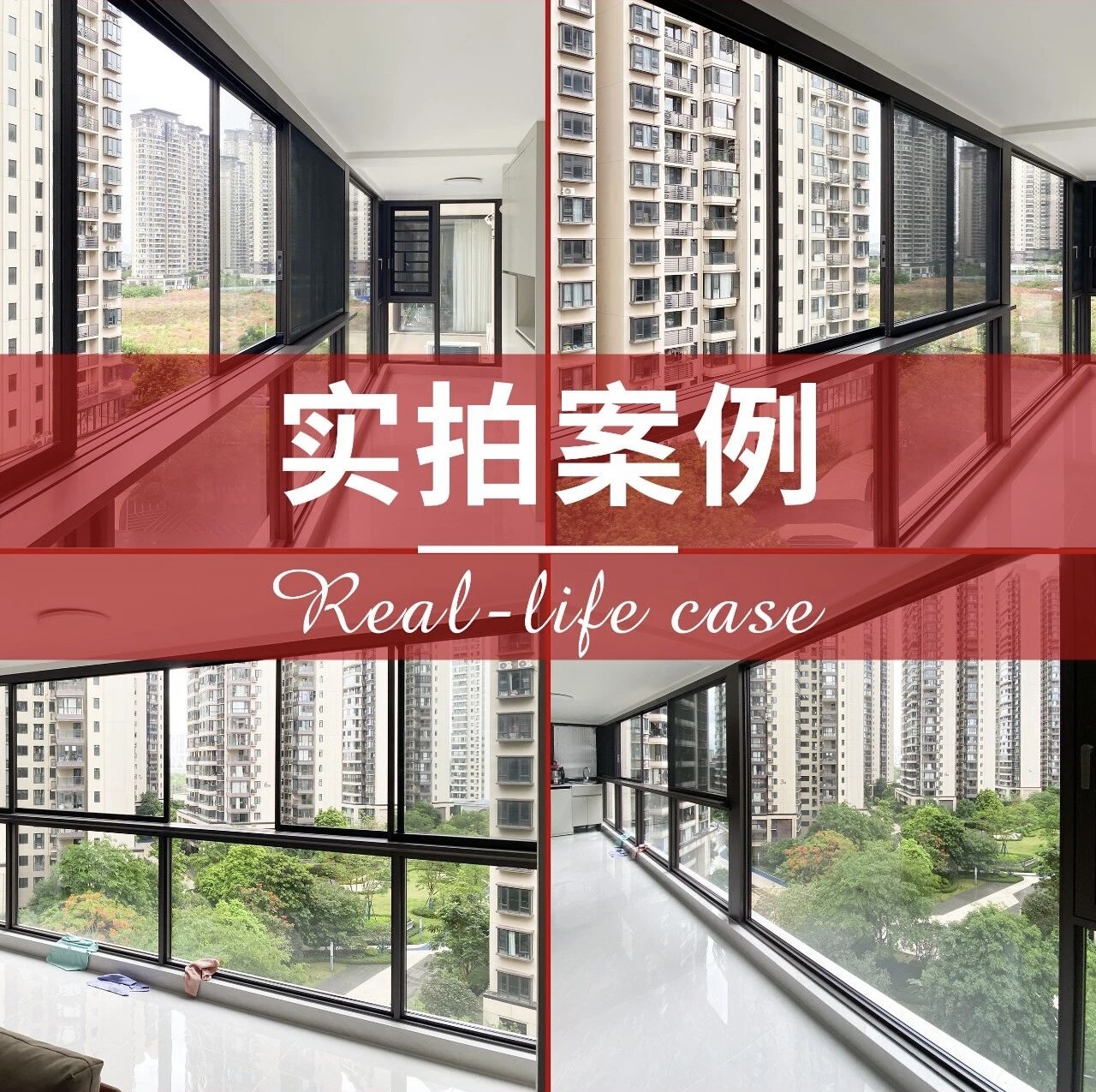
Choosing the Right Aluminum Windows Supplier in China for Hotels and Commercial Projects
For hotel developers, general contractors, and commercial real estate investors, procurement is rarely just about finding the lowest price. It is about risk management, structural integrity, and timeline security. When structural fenestration accounts for a massive percentage of a building’s exterior budget, finding a reliable aluminum windows supplier China for hotels becomes a mission-critical task. China’s manufacturing ecosystems—specifically in clusters like Foshan and Guangzhou—offer unparalleled scale, but navigating this market requires deep procurement expertise.
This comprehensive B2B sourcing guide explores the operational realities of sourcing hotel-grade windows and doors from Chinese manufacturers. We will break down technical standards, factory auditing, common procurement mistakes, and logistical risk mitigation to ensure your next commercial development stays on schedule and within budget.
Why Hotels Source Aluminum Windows from China
The global hospitality sector relies heavily on Chinese fenestration manufacturers for several structural and economic reasons. First and foremost is the benefit of centralized industrial supply chains. In manufacturing hubs like Foshan, aluminum extrusion lines, glass tempering plants, anodizing facilities, and hardware suppliers operate within miles of one another. This deep integration allows a premier aluminum doors supplier China to manufacture high-volume, highly customized orders much faster than Western competitors.
Secondly, structural customization at scale is a major advantage. Luxury hotels frequently demand non-standard window dimensions, specialized acoustic insulation to block urban noise, and specific powder-coated finishes to withstand coastal salt air. Chinese factories possess the advanced CNC machinery required to execute complex architectural shop drawings accurately. Combined with significant cost savings on heavy fabrication labor, international developers can secure top-tier fenestration products without blowing past their capital expenditure allowances.
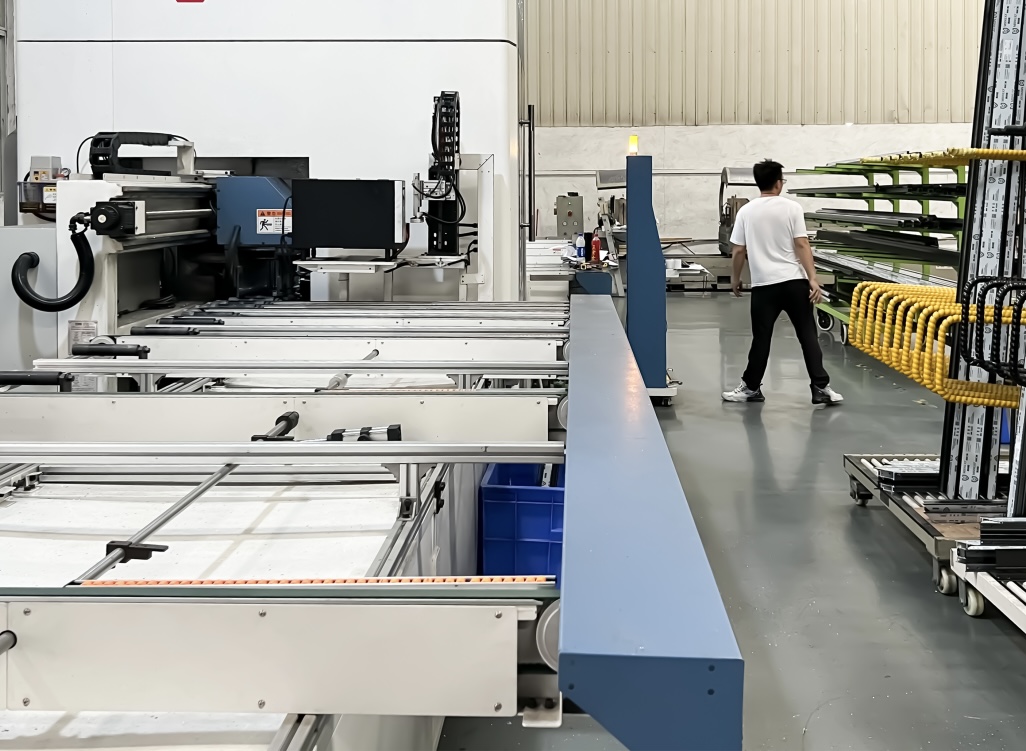
Common Procurement Mistakes Buyers Make
Cross-border procurement failures rarely happen during shipping; they usually start during the initial negotiation phase. Here are the most costly mistakes international buyers make when sourcing hotel aluminum windows China:
- Prioritizing Unit Cost Over Structural Specs: Accepting a quote that is significantly below the market index for raw aluminum almost always guarantees the factory is using thin-walled profiles or cheap recycled alloys that will bend under high wind loads.
- Failing to Formally Verify Factory Profiles: Relying blindly on an attractive B2B digital storefront without reviewing official registration documents or checking actual manufacturing capabilities.
- Ignoring Regional Building Codes: Forgetting that windows must meet precise structural certifications depending on the destination market (such as Florida’s hurricane impact ratings or European thermal efficiency laws).
- Poor Technical Communication: Failing to provide finalized AutoCAD shop drawings, resulting in misaligned window tracks, incorrect structural rough openings, and severe on-site installation delays.
What Happens If You Choose the Wrong Supplier
In commercial real estate development, choosing an unverified vendor out of a desire to shave 5% off initial product costs frequently results in catastrophic financial outcomes. Windows and doors are structural components tied directly to your building’s occupancy permit. If your supplier fails, the consequences ripple across your entire development schedule:
- Severe Project Delays (30 to 90+ Days): If a production run fails basic testing, structural re-fabrication can push your project back by months, locking up capital and stalling interior trades like drywall and flooring.
- On-Site Rework & Retrofitting Costs: When an unverified factory delivers profiles that deviate by even 2mm from the architectural shop drawings, windows will not fit the rough openings. Correcting this on-site requires expensive structural modifications.
- Customs Seizures & Shipment Rejection: Importing non-compliant glazing that lacks validated, certified material test reports can lead to border customs impounding or rejecting entire shipping containers.
- Hotel Opening Delays & Contract Penalties: A hotel cannot open without a sealed building envelope. Every day your opening is delayed due to missing or defective fenestration translates to thousands of dollars in lost booking revenues and severe liquidated damages or contract penalties from operators.
🚨 Real-World Procurement Warning: We have witnessed a major Caribbean resort project experience a 4-month construction halt because an unverified supplier substituted low-grade PVC strips into the thermal break cavities instead of certified structural polyamide. The profiles warped under intense tropical heat, rendering the entire window shipment structurally non-compliant. The developer incurred an additional $180,000 in emergency replacement costs and delayed their soft opening entirely.
How to Verify a Chinese Aluminum Factory
When millions of dollars are on the line, robust verification is your only real insurance policy. Before wire-transferring any deposits for hotel construction windows sourcing China, you must execute a strict corporate audit.
Start by requesting the vendor’s official Chinese Business License (营业执照). Review the registered “Business Scope” to ensure they are legally permitted to engage in processing and manufacturing, rather than just wholesale trading. Furthermore, demand verified structural testing certifications from independent global compliance bodies like SGS, Intertek, or TUV Rheinland. Legitimate factories will easily provide active ISO 9001 quality management records along with past project case studies.
If you cannot physically be on the factory floor yourself, hiring an independent professional partner to audit the facility is standard industry practice. For a step-by-step breakdown of how to handle this background check safely, read our detailed guide on how to verify aluminum door suppliers in China.
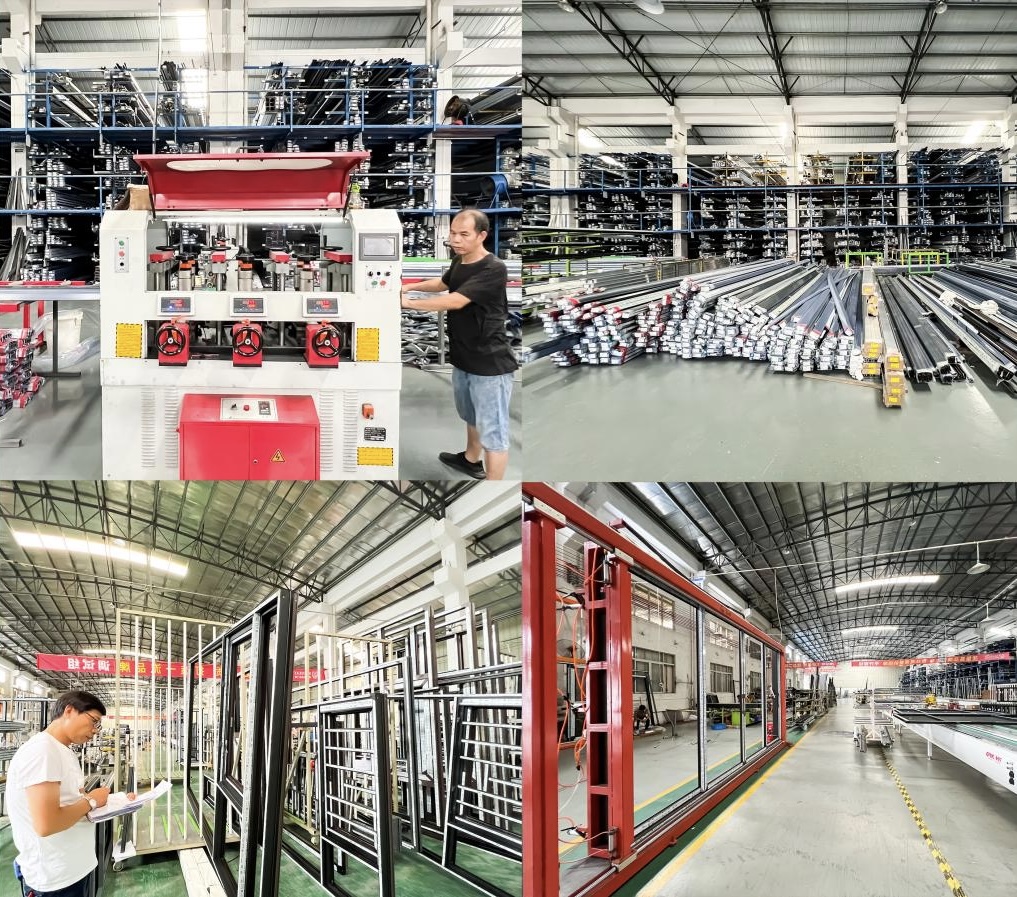
Technical Specifications for Hotel Projects
Commercial architectural fenestration requires highly specific structural engineering. When drafting your Request for Quote (RFQ) for high-performance thermal break windows for hotels, make sure your engineering team specifies the following clear-cut parameters:
Profile Thickness Standards
For heavy-duty commercial hotel builds, internal structural profiles should have a nominal wall thickness of at least 2.0mm to 3.0mm depending on window heights and regional wind-load requirements. Residential-grade 1.4mm profiles should be avoided for high-traffic hospitality applications.
Thermal Break Insulating Systems
To optimize HVAC efficiency and earn structural energy certifications, specify high-grade polyamide insulating strips (such as Technoform). This structural barrier breaks the thermal bridge between the exterior and interior aluminum layers, stopping heat transfer and preventing condensation.
Glass Configurations & Coatings
Hotel guestrooms demand superior acoustic dampening and UV protection. Request double or triple-glazed tempered safety glass configured with Argon gas fills and high-performance Low-E (Low-Emissivity) coatings to reflect solar radiation.
Integrated Architectural Hardware
A window is only as good as its moving components. Specify heavy-duty, commercial-grade German hardware brands (like Roto or Siegenia) or premium domestic equivalents that are certified for over 100,000 opening cycles without mechanical breakdown.
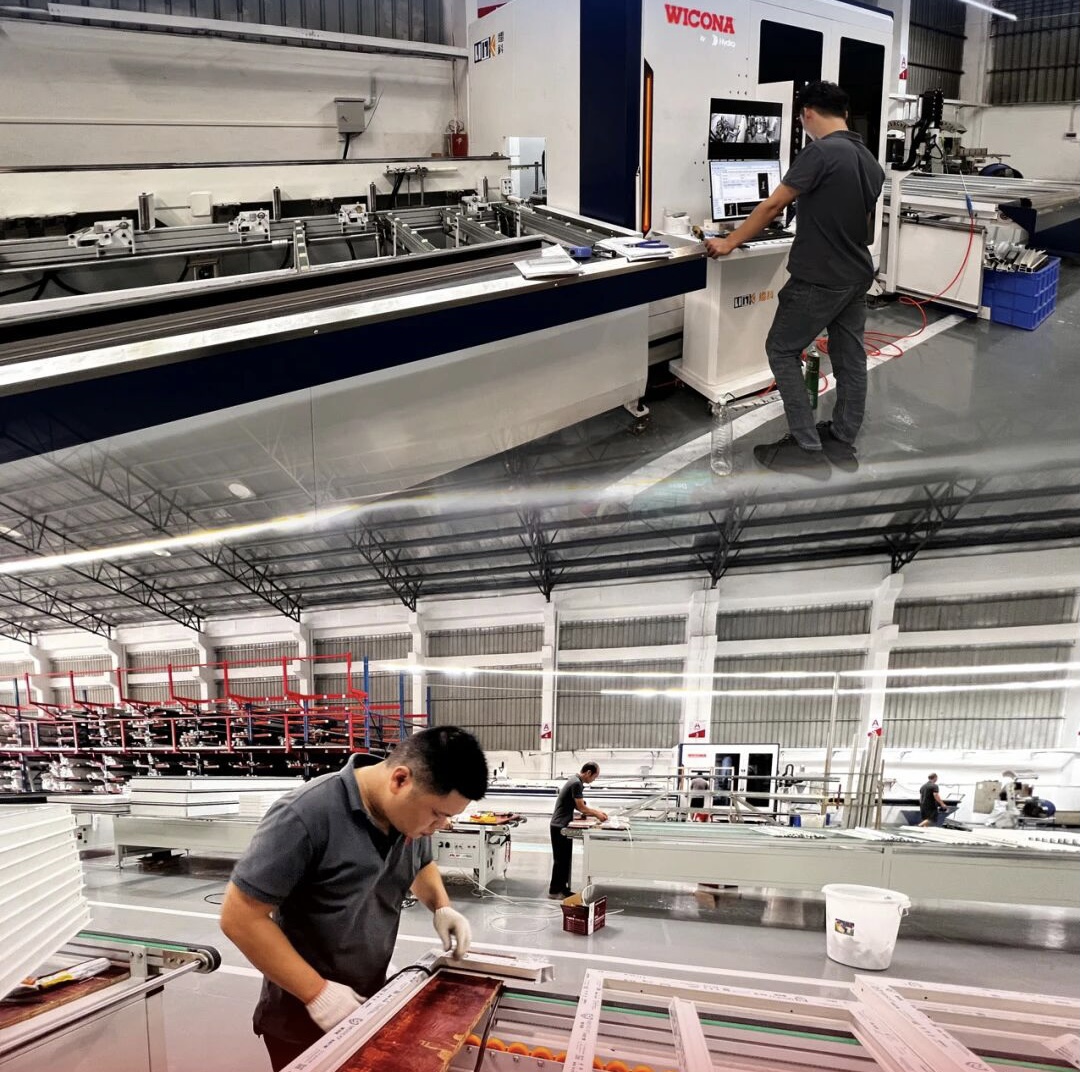
MOQ and Pricing Logic: The Real Cost Math
Understanding factory cost structures is critical for successful negotiations. Minimum Order Quantities (MOQs) for architectural aluminum are typically driven by the extrusion process itself. Because setting up automated machinery for a custom profile shape requires significant time and heavy steel tooling dies, factories usually require a minimum run of 500kg to 1 ton per profile shape.
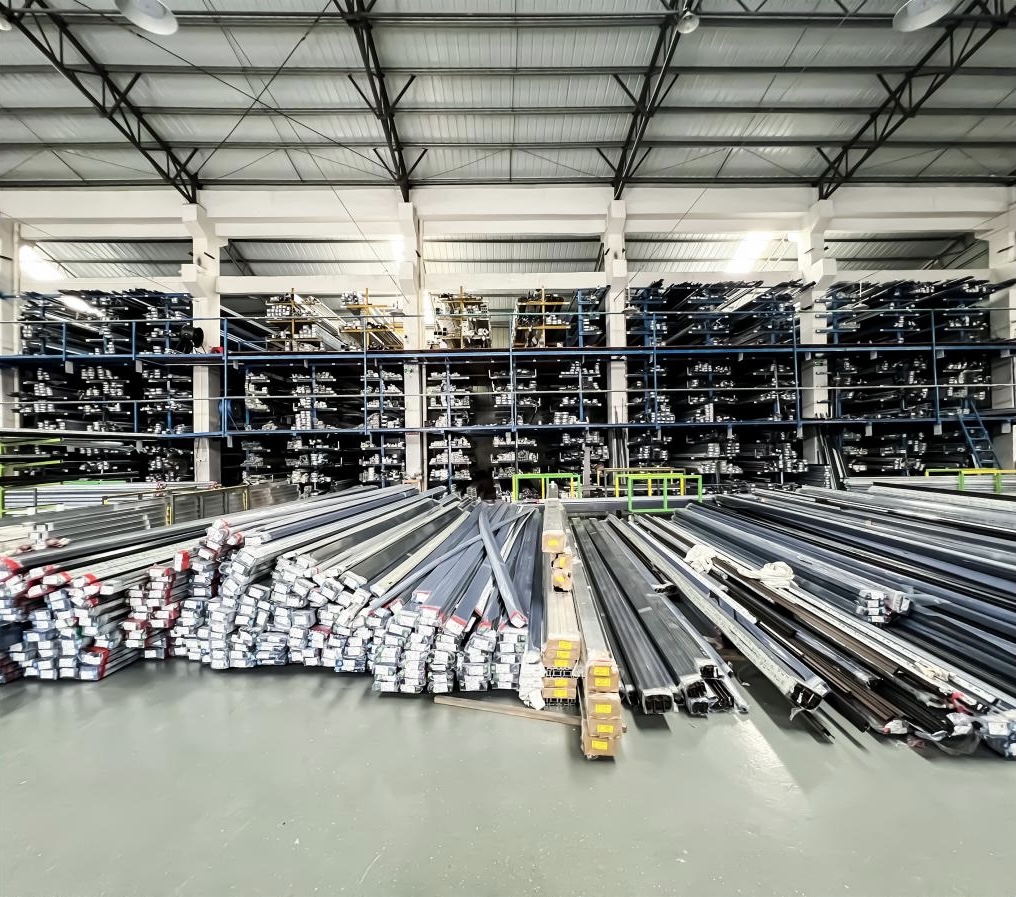
When analyzing quotes, procurement managers must evaluate the Cheap Supplier vs. Verified Supplier paradigm. A “cheap” factory secures an artificially low price by using low-grade recycled billet, skipping hardware cycle testing, or omitting anti-corrosion primers on the frames. While the initial EXW price looks highly attractive, the inevitable on-site failures, high replacement rates, and structural repairs significantly drive up the Total Project Cost. A verified supplier protects your asset over its entire 25-year lifecycle. Discover how optimized production lines can stabilize your cost structure in our analysis of custom factory solutions and the benefits for efficient production lines.
Quality Control & Inspection Process
You cannot manage what you do not measure. To safeguard an order when you import aluminum windows from China, implement a rigid, four-stage quality control protocol:
- Golden Sample Approval: Never authorize mass manufacturing until the factory builds a fully functional prototype window that your engineering team physically approves.
- During-Production Inspection: Independent auditors check profile extrusion wall thickness, structural corner crimping accuracy, and surface finish consistency while production is active.
- Pre-Shipment QC Audit: Before releasing the remaining 70% financial balance, inspectors execute rigorous water spray tests, paint cross-hatch adhesion checks, and hardware cycling verifications on the finished batch.
- Container Loading Supervision: Verifying that the heavy fenestration crates are packed securely to prevent movement during long maritime transit.
Shipping & Logistics For Structural Glazing
Transporting heavy glass and structural aluminum across global ocean lanes requires meticulous logistics management. For massive commercial builds, purchasing under FOB (Free on Board) terms is usually preferred by experienced buyers, as it grants you full control over maritime shipping costs and freight forwarder selection once the cargo reaches the port.
Proper export packing is non-negotiable. Glass panels and aluminum profiles must be packed inside heavy, fully enclosed wooden crates fitted with integrated steel lifting eyes, protective foam separators, and industrial moisture-absorbing desiccant bags. Ensuring your ocean freight is fully covered by comprehensive maritime insurance is mandatory; a single rough storm at sea can ruin an entire container if structural glazing is compromised. For a complete look at managing cross-border supply chains safely, refer to our comprehensive master guide on importing from China.
Why Working with a Sourcing Company is Safer
Many international procurement managers attempt to manage complex fenestration orders purely over emails and B2B chat apps, only to run into massive language barriers and unexpected quality issues. A window factory’s sales staff is paid to sell capacity, not to look out for your project’s legal or logistical safety.
Partnering with a dedicated on-site sourcing and supply chain management agency provides a vital layer of protection. A local professional partner acts as your boots on the ground—handling rigorous document checking, managing during-production inspections, and coordinating shipping schedules across multiple manufacturing fields.
This centralized oversight is incredibly efficient if you are sourcing structural windows alongside other complex hospitality elements. For example, you can streamline your entire project workflow by looking at our commercial furniture manufacturers in China sourcing guide or reviewing our successful case studies on hotel furniture projects to discover how an integrated procurement strategy simplifies your entire development timeline.
Frequently Asked Questions (FAQ)
What is the standard profile thickness required for hotel window projects?
For heavy-duty commercial hospitality developments, internal structural aluminum profiles must maintain a nominal wall thickness of 2.0mm to 3.0mm. Standard residential profiles (1.4mm) lack the structural stiffness to support high wind-load parameters and heavy commercial glass cyclic operations over time.
Can I use standard glass configurations to meet hospitality acoustic ratings?
No. Standard single or double glazing is insufficient for hospitality standards near high-traffic zones or airports. Hotels require customized double or triple-glazed tempered safety glass systems featuring acoustic PVB interlayer laminates, low-emissivity (Low-E) coatings, and integrated Argon gas insulation cavities to minimize exterior noise transmission completely.
How can I protect my project timeline from factory shipping delays?
The most effective strategy is mandating strict milestone verification protocols on-site in China. Utilizing a local independent management partner ensures your raw material stock runs, tooling calibrations, and pre-shipment quality testing are verified physically on the floor, blocking unannounced delays before production slips past schedule.
Why do initial EXW quotes vary drastically between aluminum window suppliers in China?
Price variances are directly tied to material grades and structural testing shortcuts. Cheaper quotes indicate the use of low-tier recycled aluminum alloys, substandard hardware, or skipped anodizing layers. Legitimate structural suppliers base pricing transparently on the global aluminum ingot index plus precise engineered fabrication costs.
Is an external inspection agency necessary if the factory has internal QC staff?
Yes. A factory’s internal quality control team ultimately answers to production managers focused on meeting daily volume metrics. Deploying an independent third-party inspection consultancy guarantees completely unbiased structural testing, objective defect logs, and strict compliance enforcement before the final financial balance is released.
Conclusion
Procuring structural glazing systems from an international market does not have to be an operational gamble. By establishing strict quality standards, auditing factory licenses, asking technical questions about thermal profiles, and insisting on independent pre-shipment inspections, you can secure world-class materials while protecting your investment capital.
Skyline Trading Co., LTD (SKYLTC) is NOT a manufacturing factory. We operate strictly as an independent supply chain consultancy, verification, inspection, and coordination partner for hotel and commercial building developments in China. We do not sell open factory production capacity; we protect international buyers from structural execution and logistics failure. SkyLTC helps international buyers verify factories, compare suppliers, manage inspections, and coordinate sourcing projects throughout China.
If you are currently sourcing aluminum windows for hotel or commercial projects in China, we help you reduce procurement risk by verifying factories, inspecting production, and coordinating shipments. Contact Skyline Trading Co., LTD today to secure specialized B2B procurement consulting and shield your construction timeline from cross-border operational risks.