
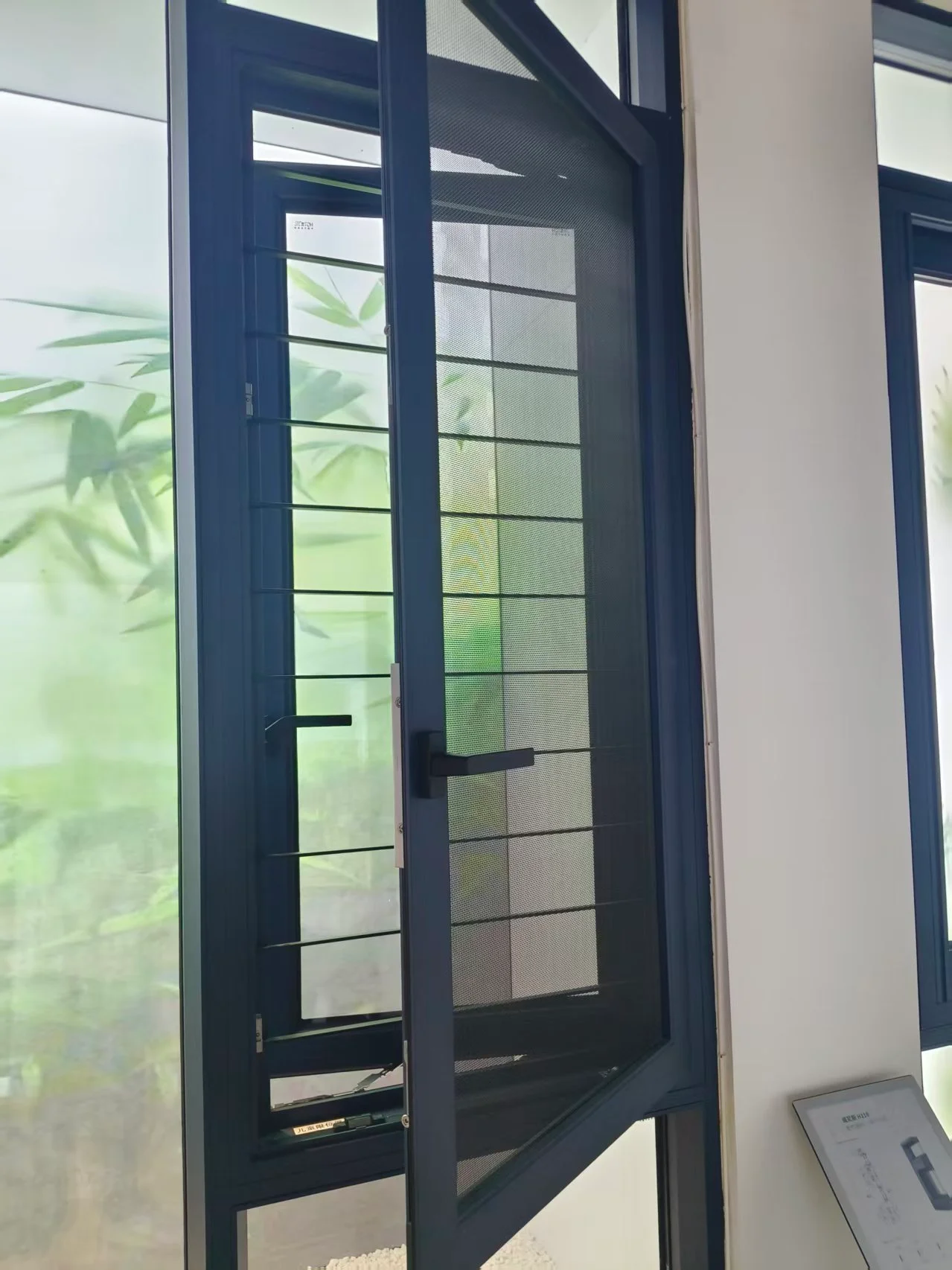
How to Verify Aluminum Door and Window Suppliers in China Before Placing a Large Order
Placing a container-load order for structural building materials is one of the highest-stakes phases of commercial development. When sourcing architectural fenestration, knowing how to verify aluminum door suppliers in China can mean the difference between a flawless installation and a catastrophic structural failure. With hundreds of listings on B2B directories, separating legitimate factories from middleman entities requires a structured strategic approach.
For international buyers and procurement managers, falling for unverified suppliers often results in low-grade aluminum alloys, mismatched blueprints, or outright financial fraud. This step-by-step B2B verification guide will outline exactly how to audit Chinese fenestration manufacturers, evaluate corporate documentation, and safeguard your cross-border investments.
Why Supplier Verification Matters
In the construction and hospitality sectors, windows and doors are structural components that must comply with strict local building codes, wind-load parameters, and acoustic ratings. If you have already researched the foundational steps on how to import aluminum doors and windows from China for hotels, you know that technical execution is everything.
Failing to thoroughly verify your supplier before wire-transferring a 30% or 50% down payment introduces immense operational risks. A mistake in profile thickness or thermal break insulation cannot be easily fixed once the shipping container arrives at your job site. True verification ensures the entity handling your blueprint designs possesses the actual engineering capability to deliver commercial-grade products.
Factory vs Trading Company: Knowing the Difference
Many international buyers assume that purchasing directly from a factory always results in lower prices. In reality, experienced trading companies can sometimes offer more competitive pricing through consolidated purchasing power, export tax rebate advantages, supplier networks, and logistics optimization.
The most important factor is not whether a supplier is a factory or a trading company, but whether they can provide transparent pricing, quality control, technical support, and reliable project execution.
| Factor | Manufacturer | Professional Trading Company |
|---|---|---|
| Production Control | Direct | Indirect |
| Factory Access | Full | Managed Through Network |
| Supplier Flexibility | Limited to Own Factory | Multiple Factory Options |
| Export Experience | Varies | Usually Strong |
| Quality Control Support | Factory Based | Multi-Supplier Management |
| Pricing | Case by Case | Case by Case |
For a complete overview of sourcing products safely from China, read our guide on importing from China.
Official Documents You Should Request
A legitimate, high-caliber manufacturer will immediately provide standard corporate documentation upon request. If a sales representative hesitates or makes excuses when you ask for these papers, consider it an immediate red flag.
1. The Chinese Business License (营业执照 – Yíngyè Zhízhào)
Every legal business in mainland China must possess an official business license issued by the local AIC (Administration for Industry and Commerce). Request a high-resolution scan of this document and check the “Business Scope” (经营范围). It must explicitly contain manufacturing keywords like “Production” (生产), “Processing” (加工), or “Fabrication” (制造). If it only lists “Sales” (销售) or “Consulting” (咨询), you are dealing with a trading company.
2. Export License & ISO Certificates
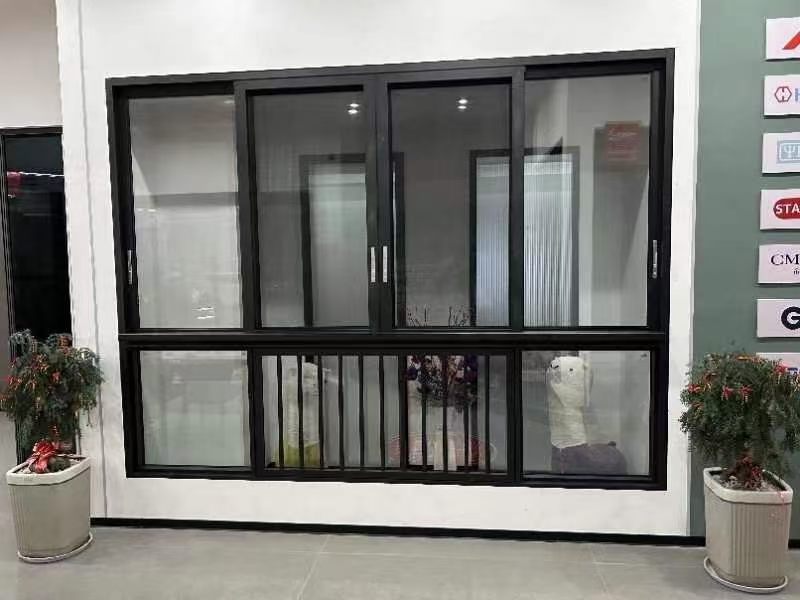
Confirm whether the factory holds an independent export license or relies on an external export agent. Furthermore, look for an active ISO 9001 certification, which proves they maintain consistent quality management systems across their production lines.
3. Certified Material Test Reports
Ask for recent structural test reports verifying wind-load capacities, water tightness, and glass tempering standards issued by recognized international auditing bodies like Intertek, SGS, or TUV Rheinland. This is especially vital when navigating standard protocols for importing from China for highly regulated Western markets.
How to Check an Aluminum Factory in Foshan
Foshan is recognized globally as the industrial capital for architectural aluminum extrusion and commercial furniture manufacturing. When looking to verify aluminum window suppliers in China alongside door manufacturers, your audit trail will almost certainly lead to the industrial zones of Foshan or Guangzhou.
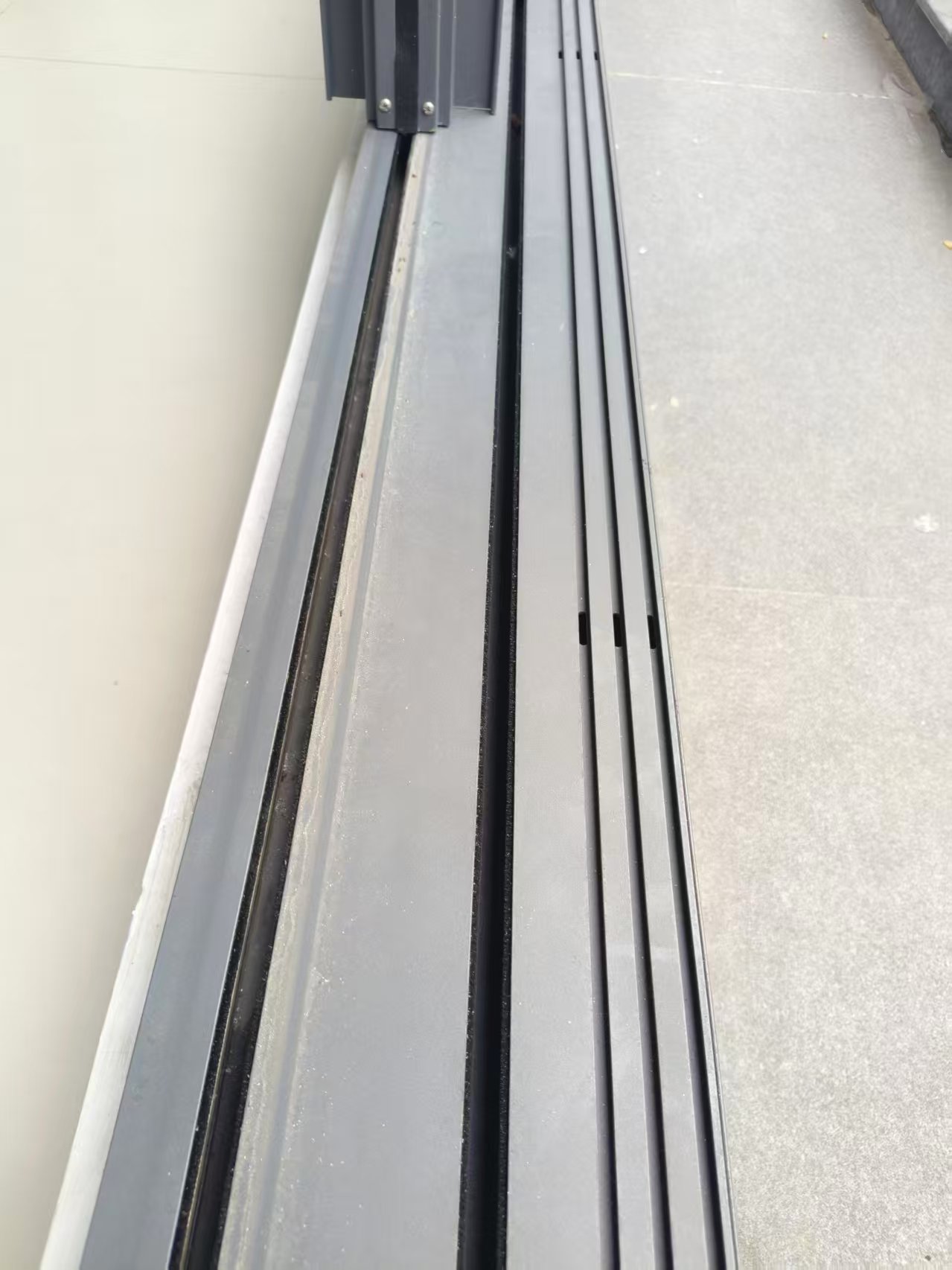
To audit a Foshan facility effectively, utilize the local geographic advantages. Check the company’s registered factory address. High-end aluminum manufacturers operate out of large, dedicated industrial parks (such as those in Shunde or Nanhai districts) rather than commercial office blocks in the downtown core.
If your procurement project involves extensive interior styling along with your structural windows, maximizing your footprint in this specific manufacturing hub can yield massive logistical advantages. Take a look at our expert guide detailing commercial furniture manufacturers in China and their complete sourcing guide to see how Foshan’s highly centralized supply chains can optimize your overall construction budget.
Questions Every Professional Buyer Should Ask
To separate low-tier fabricators from premier structural engineers, incorporate these highly technical questions into your initial RFQ negotiations:
- “What brand of polyamide strip do you use for your thermal break profiles?” (Premium manufacturers will specify high-quality brands like Technoform or domestic equivalents, rather than low-grade PVC substitutes).
- “Can you provide your in-house CNC machining tolerances for structural corner joint assembly?” (Top-tier factories operate within precise micro-tolerances to prevent air gaps and structural water leaks).
- “Do you provide comprehensive AutoCAD shop drawings for structural approval prior to aluminum extrusion?” (A direct factory must possess an internal engineering team to translate architectural blueprints).
Critical Red Flags to Avoid
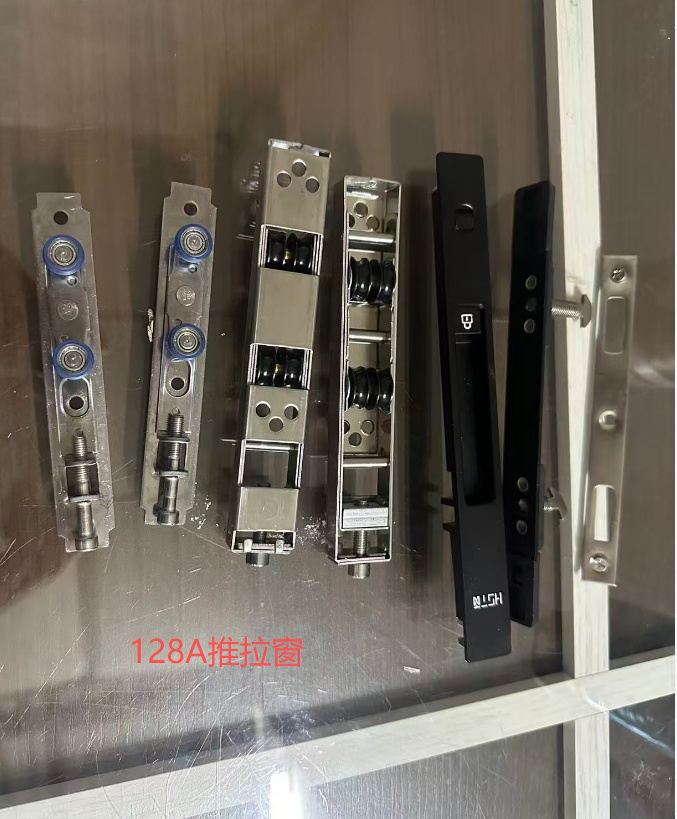
Through our long-standing on-site management at Skyline Trading Co., LTD, we have identified several warning signs that indicate a supplier may be unreliable or high-risk:
- Suspiciously Low Pricing: If a quote is 30% below the average market raw aluminum index, the supplier is likely utilizing recycled aluminum scrap alloys or ultra-thin profiles that fail building safety code inspections.
- Mismatched Bank Accounts: The beneficiary name on the Proforma Invoice for deposit wire transfers must match the official corporate name on the business license. Never wire corporate funds to private personal accounts or unrelated offshore entities.
- Refusal of Third-Party Access: If a supplier actively blocks or creates constant excuses to prevent an independent inspector from visiting the factory site, cancel negotiations immediately.
Utilizing Third-Party Inspection Services
The final, non-negotiable insurance policy for any B2B buyer is deploying a certified third-party quality control inspector directly to the production line before the final balance payment is released.
Independent inspection teams will physically execute structural testing protocols on-site. This includes digital coating thickness gauge tests, cross-hatch paint adhesion analysis, glass flaw checks under specialized lighting, and mechanical cyclic testing on the integrated hardware mechanisms. Having an objective, technical eye on the factory floor eliminates structural defects before your goods are locked inside a maritime container.
Frequently Asked Questions (FAQ)
Can a trading company offer lower prices than a factory?
Yes. In some cases, experienced trading companies can secure better pricing through supplier relationships, volume purchasing, export tax rebate advantages, and logistics consolidation. Buyers should evaluate the total project value rather than focusing only on factory-direct purchasing.
How can I confirm if a supplier is a real factory or a trading company?
Review their official Chinese business license and look at the “Business Scope” section. Direct manufacturers must have production and processing keywords listed. Alternatively, an on-site factory audit will confirm if they own the heavy extrusion machinery.
Is it necessary to verify aluminum window suppliers in China separately from door suppliers?
Not necessarily, as most top-tier fenestration factories in architectural hubs like Foshan manufacture both window profiles and commercial door systems within the same facility utilizing unified alloy standards.
Should the invoice name match the company’s Chinese name?
Yes. The English legal name registered with the Chinese authorities for export must perfectly align with their corporate bank account details to avoid international payment flags.
Can I rely entirely on video factory tours for verification?
No. Video tours can easily be recorded inside a competitor’s facility or an unaligned showroom. Only independent on-site audits or reputable third-party inspection agency visits offer true verification.
Related Guide: How to Import Aluminum Doors and Windows from China for Hotels and Commercial Projects
Conclusion
Sourcing your commercial glazing products from overseas offers immense budget benefits, but only when paired with absolute operational transparency. Taking the time to execute strict document verification, asking precise engineering questions, and mandating independent quality checks safeguards your construction development completely this is how to import aluminum doors and windows from China
Skyline Trading Co., LTD helps international buyers verify factories, compare suppliers, manage inspections, and coordinate sourcing projects throughout China. Contact Skyline to secure on-site factory verification and premium quality control management for your next commercial project.