

Angie Sami
Procurement Manager at Skyline Trading Co., LTD · Last updated: July 13, 2026 · Q2 2026 pricing
Key Takeaways
- Foshan produces 60%+ of China’s architectural aluminium panels — sourcing directly eliminates middlemen and reduces cost by 25–40%.
- FOB prices in Q2 2026 range from $18–$60/sqm depending on panel type, alloy grade, coating, and customisation.
- Total landed cost is 12–18% higher than FOB price once you add freight, duties, insurance, brokerage, and inspection fees.
- PVDF-coated panels last 25–40 years — the industry standard for exterior facades. Powder coating saves 15–20% but suits interiors.
- Always verify suppliers through ISO 9001, factory video tours, and third-party pre-shipment inspection.
- Import duties vary by country — GCC: 5% CIF, EU: 7.5%, US: 3.4–6.5%, Australia: 5%.
- Never pay 100% upfront — standard terms are 30% deposit / 70% after pre-shipment inspection.
Table of Contents
- Why China Dominates Aluminium Panel Manufacturing
- Aluminium Panel Types: Complete Comparison
- Real FOB Pricing Breakdown (Q2 2026)
- Complete Landed Cost Breakdown
- Country-Specific Import Duties and Taxes
- Total Cost of Ownership (TCO) Analysis
- Illustrative Cost Example: 500sqm Order
- Landed Cost Calculator
- Hidden Costs That Destroy Budgets
- How to Compare Supplier Quotes
- Compliance Standards by Region
- 10 Cost-Saving Strategies
- Factory Audit Checklist
- Quality Control Process
- Shipping Timeline and Logistics
- Definitive 10-Step Sourcing Checklist
- Frequently Asked Questions
- Related Resources
Aluminium Panels from China: Complete Sourcing Guide for 2026
Sourcing aluminium panels from China is no longer a cost-cutting experiment — it is the industry standard for commercial facades, hotel cladding, and architectural projects across the Middle East, Europe, Africa, and the Americas. In 2026, China produces over 65% of the world’s architectural aluminium panels, with Foshan alone accounting for more than 60% of domestic output. For procurement managers handling large-scale projects, understanding how to navigate this supply chain is the difference between a successful build and a budget disaster.
Based on our sourcing experience managing aluminium panel procurement from Foshan for projects across the GCC, Central Asia, and East Africa, this guide covers everything you need: panel types, real FOB pricing, complete landed cost calculations, country-specific duties, compliance standards, factory audit checklists, and the hidden costs that catch most buyers off guard. Whether you are importing 200 square metres for a villa renovation or 5,000 square metres for a commercial tower, the information below will help you make informed decisions and avoid the expensive mistakes we see every week.
Need a Landed Cost Estimate for Your Aluminium Panel Project?
Based in Guangzhou — we visit your supplier before you commit. Get a free quote with factory verification included.
Request a Free Quote
Why China Dominates Aluminium Panel Manufacturing
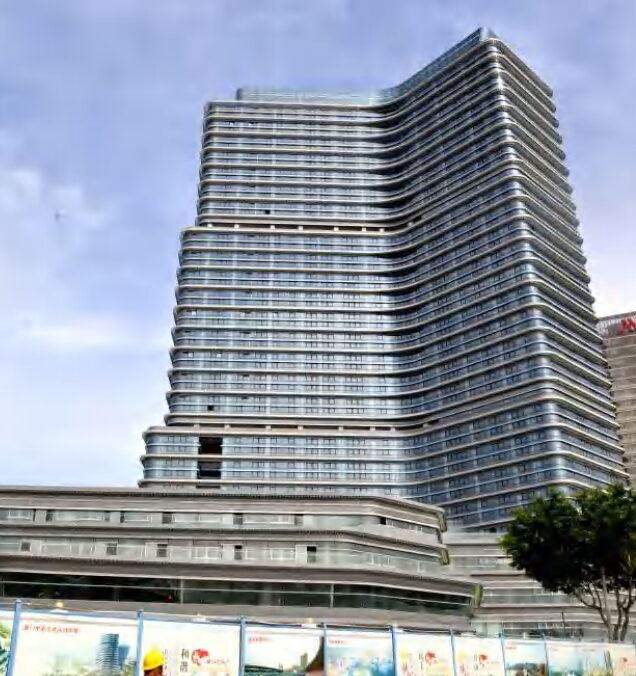
China’s dominance in aluminium panel manufacturing is not accidental — it is the result of decades of infrastructure investment, supply chain integration, and manufacturing scale that no other country can match. According to the Aluminum Association and the International Aluminium Institute, China accounts for approximately 57% of global aluminium production capacity, with architectural panels being one of the fastest-growing downstream segments.
The primary manufacturing clusters are concentrated in Guangdong Province — specifically Foshan, Guangzhou, Zhongshan, and Nanhai District. These cities host thousands of aluminium fabrication factories, coating lines, and raw material suppliers within a 50-kilometre radius. This geographic concentration creates unmatched economies of scale: raw aluminium coils, PVDF coating materials, CNC machining centres, and precision welding equipment are all available locally, driving down production costs by 25–40% compared to sourcing from European or North American manufacturers.
Chinese factories utilise state-of-the-art CNC machining centres, automated PVDF coating lines, and robotic welding systems that guarantee consistency across thousands of panels. For buyers evaluating China sourcing agent vs direct factory relationships, the key insight is this: Foshan factories offer European-standard structural integrity at a fraction of the cost, provided you implement proper factory audit protocols.
From an Incoterms perspective, most Foshan manufacturers quote FOB Nansha Port or FOB Yantian Port, both within 100km of the factory cluster. This proximity reduces inland transport costs and minimises handling damage risks. The LME (London Metal Exchange) aluminium price in Q2 2026 hovers around $2,400–$2,600 per metric tonne, which directly impacts raw material costs. However, China’s domestic smelting capacity of over 45 million metric tonnes provides a natural buffer against global price volatility, meaning Chinese panel manufacturers enjoy more stable input costs than competitors in regions dependent on imported primary aluminium.
Aluminium Panel Types: Complete Comparison
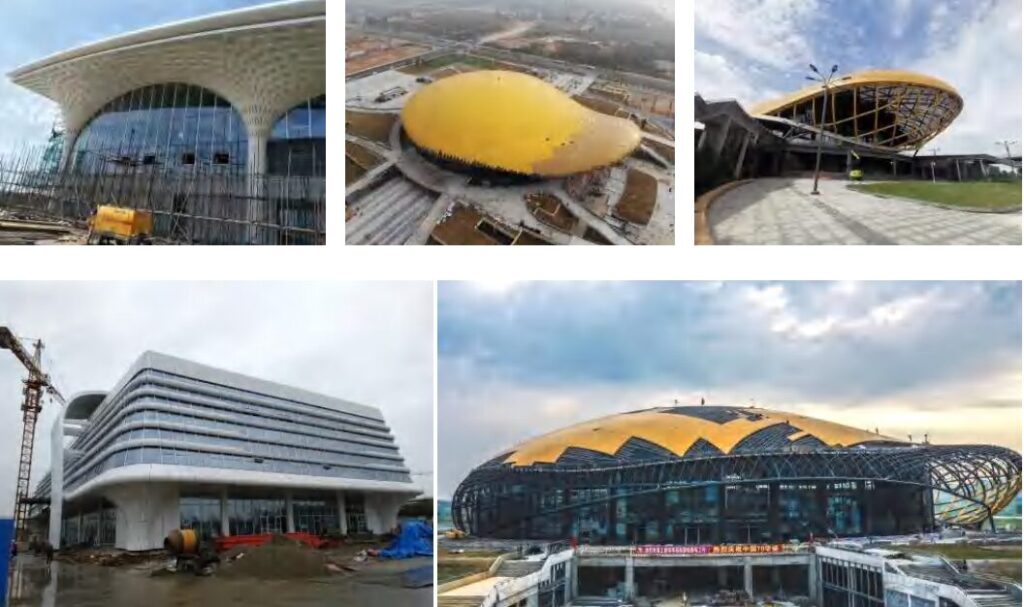
Understanding the different types of aluminium panels from China is critical for selecting the right product for your project. Each panel type serves a specific architectural purpose, has distinct manufacturing requirements, and varies significantly in price. The table below compares the eight most common panel types available from Foshan manufacturers, including their typical applications, thickness ranges, and coating options.
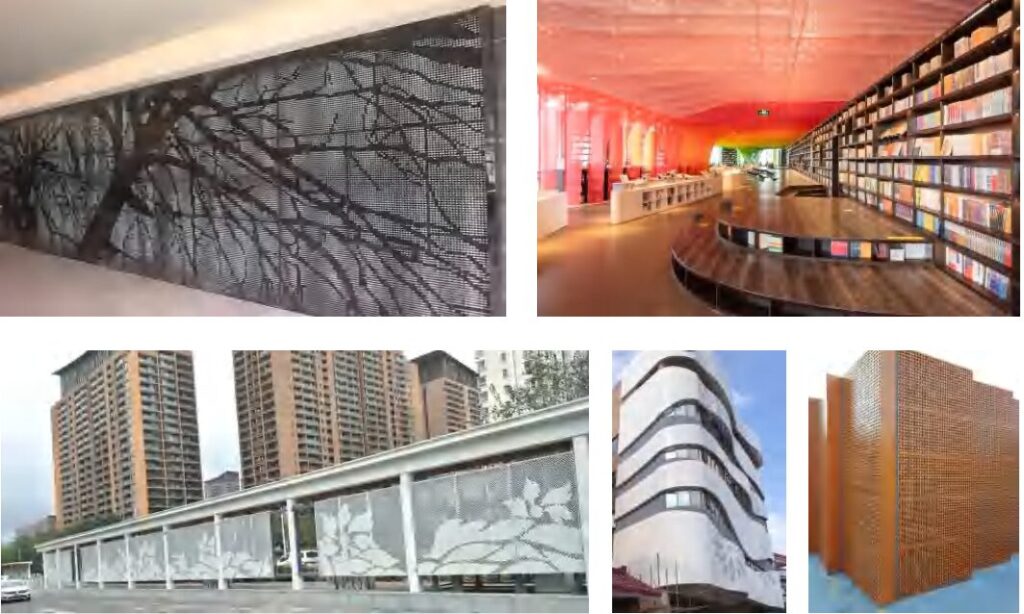
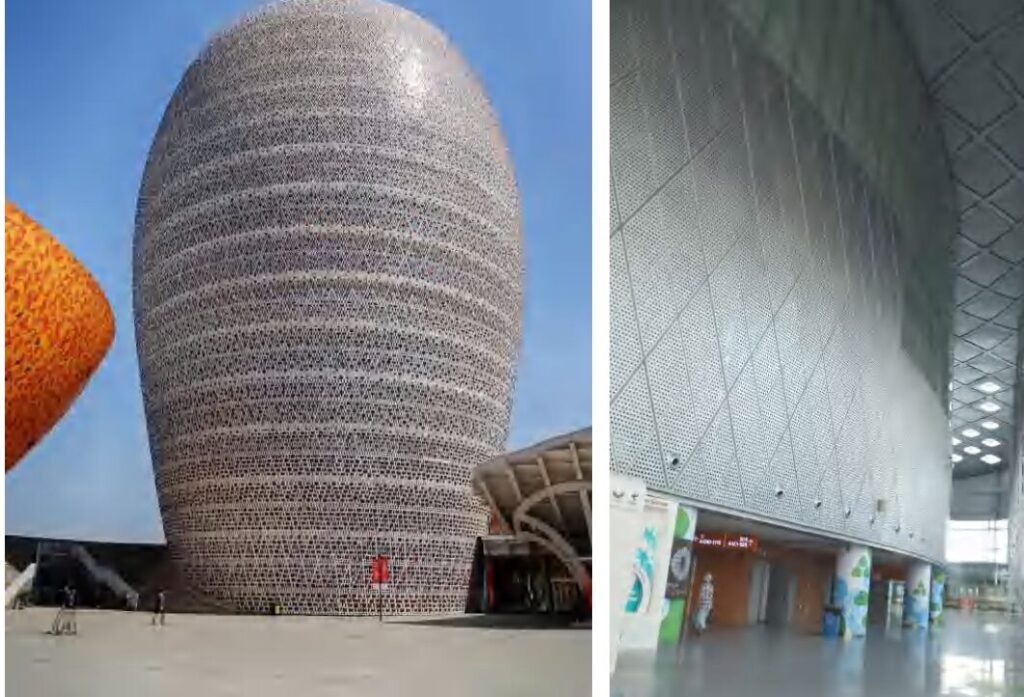
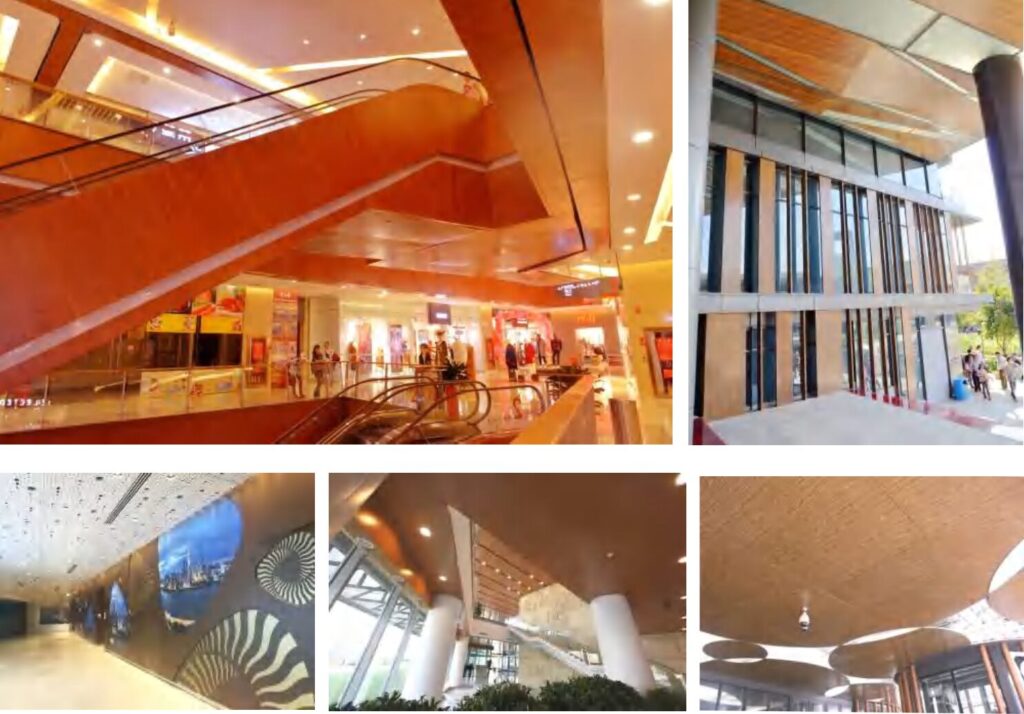
PVDF-coated solid aluminium panels are the most widely specified type for exterior facades due to their 20+ year colour retention and superior UV resistance. Perforated panels offer both aesthetic and functional benefits — they allow airflow and light filtration while creating striking visual patterns. Wood-grain finish panels use sublimation technology to replicate natural timber textures on aluminium substrates, eliminating the maintenance burden of real wood cladding.
The HS code for aluminium panels (HS Code 7610.10 for aluminium structures and parts) applies across most panel types, though customs classification can vary based on whether the panel is composite, solid, or honeycomb-core. For a deeper understanding of supplier evaluation, review our supplier verification guide.
| Panel Type | Typical Thickness | Common Applications | Coating Options | FOB Price (per sqm) | MOQ (sqm) | Lead Time | Durability |
|---|---|---|---|---|---|---|---|
| PVDF Solid Panel | 1.5mm – 3.0mm | Exterior facades, curtain walls, soffits, column covers | PVDF (Kynar 500), metallic, matte, gloss | $18 – $25 | 100–200 | 25–30 days | 25–40 years |
| Perforated Panel | 1.5mm – 2.5mm | Sunshades, screens, ventilation facades, decorative cladding | PVDF, powder coat, anodised | $22 – $35 | 150–300 | 30–40 days | 20–30 years |
| Wood-Grain Panel | 1.5mm – 2.5mm | Interior ceilings, commercial spaces, warm-design facades | Sublimation wood-grain, PVDF overprint | $28 – $45 | 200–500 | 35–45 days | 15–25 years |
| Aluminium Composite (ACP) | 3.0mm – 6.0mm | Interior partitions, signage, low-rise facades | PE core, FR core, PVDF, PE coating | $8 – $18 | 500+ | 20–25 days | 10–20 years |
| Honeycomb Panel | 10mm – 25mm | Large facade panels, ceiling systems, lightweight cladding | PVDF, anodised | $45 – $80 | 200–500 | 35–50 days | 30–40 years |
| Corrugated Panel | 0.8mm – 1.5mm | Industrial buildings, warehouses, canopies, roofing | Galvanised, powder coat, PVDF | $6 – $12 | 500+ | 15–20 days | 15–25 years |
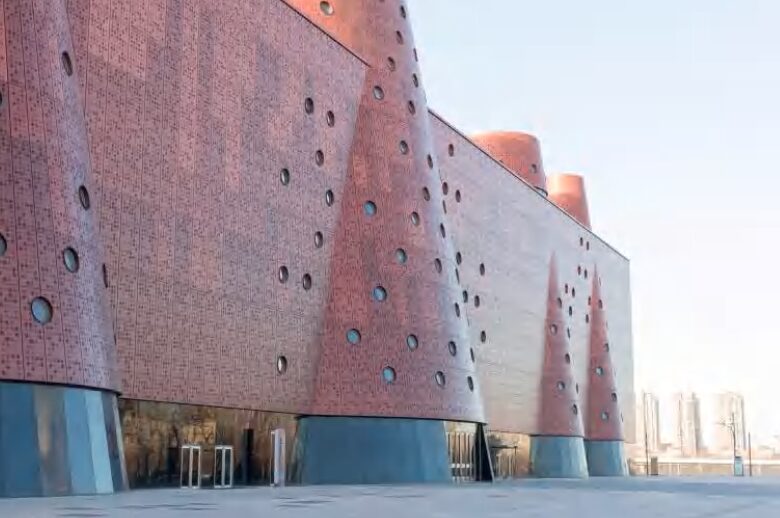
| Custom 3D / Curved | 2.0mm – 4.0mm | Signature facades, landmark buildings, sculptural cladding | PVDF, metallic, custom finishes | $35 – $60+ | 300–500 | 40–55 days | 25–35 years |
| Expanded Metal Mesh | 1.0mm – 3.0mm | Security screens, decorative facades, sunshades | Powder coat, PVDF, anodised | $12 – $22 | 200–500 | 20–30 days | 20–30 years |
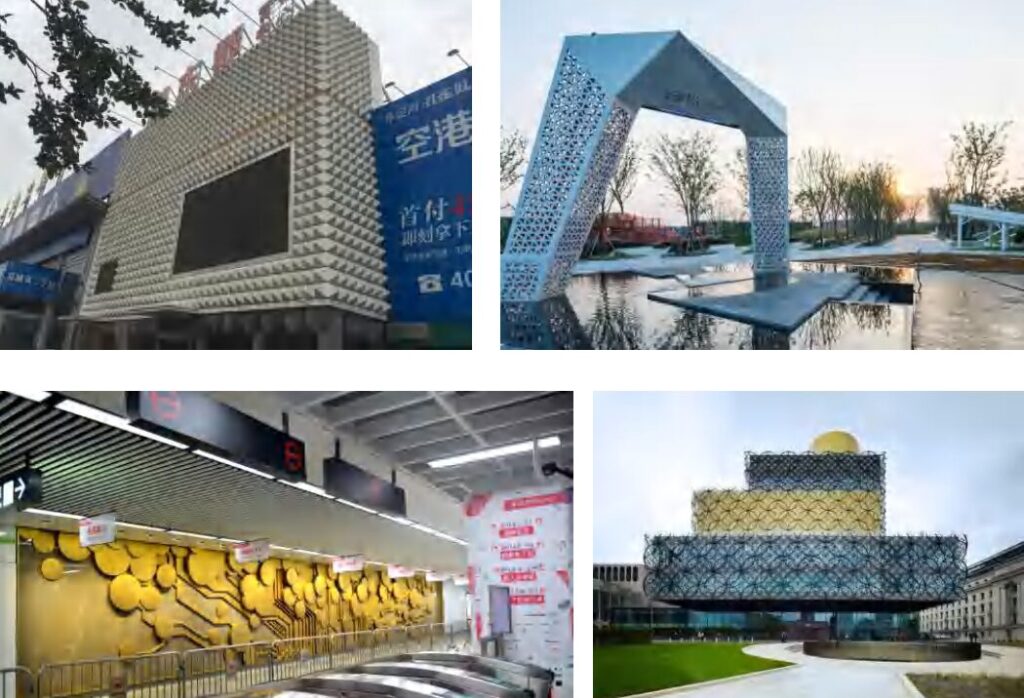
For most commercial facade projects in the GCC and Middle East, PVDF-coated solid panels represent the optimal balance of performance, aesthetics, and value. Projects requiring unique visual identities often combine multiple panel types — for example, using PVDF solid panels as the primary cladding with perforated panels for ventilation zones and wood-grain panels for entrance canopies. If you are also sourcing complementary products, our hotel aluminum doors and windows guide covers fenestration sourcing from the same Foshan manufacturing cluster.
Real FOB Pricing Breakdown (Q2 2026)
Understanding the actual cost components of aluminium panels from China requires breaking down the FOB price into its constituent parts. Many buyers focus solely on the per-square-metre price without understanding what drives cost differences between suppliers. The table below provides a transparent breakdown of typical FOB pricing for a standard PVDF-coated solid aluminium panel (2.0mm thickness, alloy 6063-T5) from Foshan manufacturers in Q2 2026.
| Cost Component | Standard Panel ($/sqm) | Premium Panel ($/sqm) | Notes |
|---|---|---|---|
| Raw aluminium alloy (6063-T5) | $6.50 – $8.00 | $8.00 – $10.00 | Based on LME price ~$2,500/tonne Q2 2026. Alloy 6061-T6 costs 12–18% more. |
| Fabrication (cutting, bending, welding) | $3.00 – $4.50 | $4.50 – $7.00 | Includes CNC cutting, folding, robotic welding. Complex 3D shapes add 40–60%. |
| PVDF coating (Kynar 500 equivalent) | $3.50 – $5.00 | $5.00 – $7.50 | Two-coat PVDF system. Metallic/special colours cost 20–30% more. |
| Stiffeners and hanger brackets | $1.00 – $1.50 | $1.50 – $2.50 | Internal reinforcement for panels over 600mm width. |
| Packaging (PE foam + wooden crate) | $0.80 – $1.20 | $1.20 – $2.00 | IPPC-certified wooden crates required for sea freight. |
| Quality control and testing | $0.50 – $0.80 | $0.80 – $1.50 | Coating adhesion, salt spray test, dimensional verification. |
| Factory overhead and profit margin | $2.70 – $4.00 | $4.00 – $6.50 | Includes electricity, labour, depreciation, and 8–15% margin. |
| Total FOB Price | $18.00 – $25.00 | $25.00 – $37.00 | FOB Nansha or Yantian Port. Volume discounts: 3–5% for 500sqm+, 5–8% for 1,000sqm+. |
| Custom 3D / Curved Premium | — | $35.00 – $60.00+ | Includes mould cost amortisation and multi-axis bending. Mould: $500–$2,000 per shape. |
Buyer Decision Point: If your order is under 20 square metres, buy locally — the shipping cost alone will negate any FOB savings. If your order is 100 square metres or more, importing from China saves 30–50% compared to European suppliers. If you cannot visit China, use a sourcing agent or verification service to protect your investment.
Complete Landed Cost Breakdown
The FOB price is only the starting point. When sourcing aluminium panels from China, the total landed cost — the amount you actually pay to get panels from the factory gate to your project site — is typically 12–18% higher than the FOB price. This section breaks down every cost component between the factory and your door, using a standard 20ft container shipment of 300sqm PVDF panels as the reference case.
The Incoterms 2020 framework defines where risk and cost transfer between seller and buyer. FOB (Free on Board) means the seller covers all costs until goods are loaded onto the vessel at the origin port. CIF (Cost, Insurance, and Freight) means the seller also covers ocean freight and marine insurance to the destination port. DDP (Delivered Duty Paid) means the seller covers everything including import duties — but this term is rarely used for aluminium panels due to the complexity of destination-country regulations.
| Cost Component | Amount (USD) | % of Total | Notes |
|---|---|---|---|
| FOB Price (300sqm x $22/sqm) | $6,600 | 58.2% | PVDF solid panels, 2.0mm, alloy 6063-T5, standard colour |
| Ocean Freight (20ft container to Jeddah) | $1,400 | 12.3% | Q2 2026 rate. Fluctuates plus/minus 20% based on season. |
| Marine Cargo Insurance | $35 | 0.3% | 0.3–0.5% of CIF value. Covers 110% of invoice value. |
| CIF Value (subtotal) | $8,035 | — | Base for customs duty. = FOB + Freight + Insurance. |
| Import Duty (5% of CIF — Saudi Arabia) | $402 | 3.5% | Saudi: 5%. UAE: 5%. EU: 7.5%. US: 3.4–6.5%. |
| VAT / GST (15% Saudi Arabia) | $1,265 | 11.2% | Calculated on (CIF + Duty). Saudi: 15%. UAE: 5%. EU: 19–27%. |
| Customs Brokerage Fee | $250 | 2.2% | Freight forwarder / customs broker service fee. |
| Destination Handling Charges | $350 | 3.1% | Port unloading, terminal storage (first 3 days), documentation. |
| Pre-Shipment Inspection | $350 | 3.1% | SGS, Bureau Veritas, or local inspection agent. |
| Inland Transport (Port to Site) | $600 | 5.3% | Truck from Jeddah Islamic Port to project site. |
| SABER Conformity Certification | $300 | 2.6% | Mandatory for aluminium products entering Saudi Arabia. |
| Total Landed Cost | $11,552 | 100% | Effective cost: $38.51/sqm landed (vs. $22/sqm FOB — a 75% increase) |
This breakdown demonstrates why understanding the complete landed cost is essential for accurate project budgeting. A buyer who budgets only based on the FOB price of $22/sqm will face a 75% cost overrun when the panels arrive. For a deeper understanding of import cost structures, review our aluminium door import cost guide, which follows the same landed-cost methodology.
Country-Specific Import Duties and Taxes
Import duties and taxes represent one of the most variable cost components when sourcing aluminium panels from China. Rates differ dramatically by country, and misclassifying your product under the wrong HS code can result in penalties, delays, or overpayment. The table below covers duty rates for the most common destination markets, based on HS Code 7610.10 (aluminium structures and parts) or HS Code 7606.12 (aluminium alloy plates, sheets, and strips).
Important: GCC countries benefit from the Gulf Cooperation Council Common External Tariff, which applies a unified 5% duty on most aluminium products. The WTO tariff schedules and bilateral trade agreements (such as RCEP for Asia-Pacific markets) can significantly impact applicable rates. Always verify current rates with your customs broker before shipping.
| Country / Region | Import Duty (% of CIF) | VAT / GST | Key Certification Required | Notes |
|---|---|---|---|---|
| Saudi Arabia | 5% | 15% | SASO SABER | GCC Common External Tariff. SABER mandatory for customs. |
| UAE | 5% | 5% | ESMA conformity | Lowest total duty+VAT in GCC. Fastest port clearance. |
| Kuwait | 5% | — | KUCAS | No VAT currently. Kuwait Uniform Customs System applies. |
| Bahrain | 5% | 10% | GSO mark | 10% VAT since January 2022. GSO conformity required. |
| Oman | 5% | 5% | DGSM conformity | 5% VAT. DGMS certification required. |
| Qatar | 5% | — | QS mark | No VAT currently. Qatar Standards mark required. |
| Egypt | 20–30% | 14% | GOEIC | High duty. Requires GOEIC registration and pre-shipment inspection. |
| European Union | 7.5% | 19–27% | CE CPR 305/2011 | CE marking mandatory. CBAM may apply. Fire classification per EN 13501-1. |
| United Kingdom | 6% | 20% | UKCA marking | Post-Brexit UKCA required. Building Regulations Part B for fire. |
| United States | 3.4–6.5% | — | ASTM B221 / B209 | No federal VAT. Anti-dumping duties possible. |
| Australia | 5% | 10% | AS/NZS standards | GST at border. BCA compliance for building products. |
| India | 7.5–10% | 18% | BIS certification | BIS may be required. Anti-dumping duty possible. |
| Tanzania | 10–25% | 18% | TBS certification | TBS pre-shipment inspection required. |
| Turkey | 5–8% | 20% | TSE mark | Variable rates. TSE mark may be required. |
For GCC-bound shipments, the unified 5% duty rate makes cost calculation straightforward. However, VAT differences between countries (0% in Kuwait to 15% in Saudi Arabia) create significant cost variations. European buyers must also factor in the EU Carbon Border Adjustment Mechanism (CBAM), which may impose additional costs on aluminium products from non-EU countries.
Total Cost of Ownership (TCO) Analysis
When sourcing aluminium panels from China, the purchase price is only one component of the total cost of ownership. TCO analysis accounts for the complete lifecycle cost — from initial procurement through installation, maintenance, and eventual replacement. This approach is essential for procurement managers making decisions that will impact building operations for decades.
The table below compares the 25-year TCO for three common panel scenarios: a budget option (ACP with PE core), a mid-range option (PVDF-coated solid panel), and a premium option (honeycomb panel with PVDF coating). All figures are based on 500sqm of exterior facade cladding delivered to Saudi Arabia.
| Cost Category | Budget (ACP/PE Core) | Mid-Range (PVDF Solid) | Premium (Honeycomb PVDF) |
|---|---|---|---|
| FOB Price (per sqm) | $12 | $22 | $55 |
| Total FOB (500sqm) | $6,000 | $11,000 | $27,500 |
| Landed Cost (FOB x 1.75) | $10,500 | $19,250 | $48,125 |
| Installation Cost (per sqm) | $15 | $18 | $22 |
| Total Installation (500sqm) | $7,500 | $9,000 | $11,000 |
| Annual Maintenance Cost | $800/year | $200/year | $150/year |
| 25-Year Maintenance Total | $20,000 | $5,000 | $3,750 |
| Expected Lifespan | 10–15 years | 25–35 years | 30–40 years |
| Replacement at Year 12 | $18,000 | — | — |
| 25-Year TCO Total | $56,000 | $33,250 | $62,875 |
| TCO per sqm per year | $44.80 | $26.60 | $50.30 |
The TCO analysis reveals a critical insight: the cheapest upfront option (ACP) is actually the most expensive over 25 years due to its short lifespan requiring replacement at year 12, combined with higher annual maintenance costs. The mid-range PVDF solid panel delivers the lowest TCO per square metre per year, making it the most cost-effective choice for most commercial projects.
The premium honeycomb option, while offering the longest lifespan and lowest maintenance, has such a high initial cost that it only becomes cost-effective for landmark buildings where architectural significance justifies the premium. For most project scenarios, PVDF-coated solid aluminium panels from Foshan represent the optimal balance of upfront cost and long-term value.
Illustrative Cost Example: 500sqm Order to Saudi Arabia
This section provides a detailed, line-by-line cost calculation for a real-world scenario: ordering 500 square metres of PVDF-coated aluminium panels from a Foshan factory, shipped to Jeddah Islamic Port, Saudi Arabia. This example uses Q2 2026 pricing and is based on our actual experience managing similar shipments.
| Line Item | Calculation | Amount (USD) |
|---|---|---|
| 1. Panel Cost (500sqm x $22/sqm) | 500 x $22 | $11,000.00 |
| 2. Custom PVDF Colour (RAL matching) | One-time colour matching fee | $350.00 |
| 3. Sample Approval (pre-production) | 3 samples shipped to buyer | $180.00 |
| 4. Third-Party Inspection (SGS) | Factory inspection + report | $450.00 |
| 5. FOB Packaging (IPPC crates) | Included in FOB price | $0.00 |
| 6. FOB Price Total | Subtotal | $11,980.00 |
| 7. Ocean Freight (20ft FCL to Jeddah) | 20ft container rate | $1,800.00 |
| 8. Marine Cargo Insurance | 0.35% of CIF value | $48.00 |
| 9. CIF Value | FOB + Freight + Insurance | $13,828.00 |
| 10. Saudi Customs Duty (5% CIF) | 5% x $13,828 | $691.40 |
| 11. Saudi VAT (15% of CIF+Duty) | 15% x $14,519.40 | $2,177.91 |
| 12. SABER Conformity Certificate | Per shipment | $500.00 |
| 13. Customs Brokerage | Broker service fee | $350.00 |
| 14. Destination Handling (port) | Unloading + storage | $450.00 |
| 15. Inland Transport (Jeddah Port to site) | Truck delivery | $800.00 |
| 16. Demurrage Risk Reserve | 5 days buffer at $80/day | $400.00 |
| TOTAL LANDED COST | All-in | $19,177.31 |
| Effective Cost per sqm | $19,177 / 500sqm | $38.35/sqm landed |
This calculation shows that the actual landed cost per square metre is $38.35 — not the $22/sqm FOB price quoted by the factory. The total project cost of approximately $19,177 represents a 60% increase over the base FOB price. Buyers who fail to account for these additional costs will face budget shortfalls of 60–75% by the time panels arrive at their project site.
Trust Element: Every project we manage includes factory verification and pre-shipment inspection. Based in Guangzhou, we visit your supplier before you commit. Contact us to get a landed cost estimate for your specific project requirements.
Landed Cost Calculator
Use the formula below to estimate your own landed cost. Replace the variables with your actual project numbers:
For example, to import 1,000sqm of PVDF panels to the UAE at $22/sqm FOB: FOB = $22,000. Freight = $2,200 (40ft container). Insurance = $85. CIF = $24,285. Duty (5%) = $1,214. VAT (5% of $25,499) = $1,275. Brokerage = $300. Handling = $400. Inland = $600. Inspection = $400. SABER = $500. Total: $28,974 or $28.97/sqm landed.
Hidden Costs That Destroy Budgets
Based on our sourcing experience, these are the hidden costs that catch most buyers off guard when importing aluminium panels from China. Failing to budget for these items is the number one cause of project cost overruns in our observation.
| Hidden Cost Category | Typical Range | How to Avoid |
|---|---|---|
| Demurrage and Detention | $50–$150/day | Arrange port clearance documents 5 days before vessel arrival. Keep customs broker on standby. |
| Container Unloading | $100–$300 | Confirm with freight forwarder whether unloading is included. Most FOB quotes do not cover this. |
| Re-inspection at Destination | $200–$500 | Some countries require secondary inspection at destination port. Confirm requirements before shipping. |
| Currency Fluctuation | 2–5% of order value | Lock in exchange rate with your bank at order confirmation. Use USD-denominated contracts. |
| Sample Shipping Costs | $150–$400 | Request digital samples (photos, videos) before ordering physical samples. Combine sample orders. |
| Packaging Damage Claims | $500–$2,000 | Mandate IPPC-certified crates with corner guards and PE foam. Document packaging before sealing. |
| Colour Batch Variation | Replacement cost | Order all panels in a single batch. If split orders are necessary, retain batch samples for matching. |
| Shop Drawing Revisions | $200–$800 | Finalise all dimensions and specifications before production begins. Include tolerance specifications. |
Buyer Decision Point: If you cannot visit China, use a sourcing agent or third-party verification service. The cost of a factory audit ($300–$500) is negligible compared to the cost of receiving 500sqm of non-conforming panels. Our factory audit report guide explains exactly what to check during a supplier visit.
How to Compare Supplier Quotes
When sourcing aluminium panels from China, receiving and comparing supplier quotes is a critical step that most buyers handle incorrectly. Many procurement managers focus solely on the per-square-metre price, ignoring critical differences in scope, quality, and terms that can dramatically impact the final cost. The table below provides a framework for evaluating quotes from multiple Foshan suppliers on an apples-to-apples basis.
| Quote Element | What to Look For | Red Flag |
|---|---|---|
| Alloy Specification | 6063-T5 or 6061-T6 explicitly stated | Vague “aluminium” without alloy grade |
| Panel Thickness | Specific thickness in mm (e.g., 2.0mm) | “Standard thickness” or range without specifics |
| Coating Type | PVDF brand (Kynar 500, Hylar 5000) and number of coats | “PVDF coating” without brand or coat specification |
| Coating Thickness | Minimum 25 microns for PVDF exterior | No coating thickness guarantee |
| Packaging | IPPC-certified wooden crates, PE foam, corner guards | “Standard export packaging” without details |
| Payment Terms | 30/70 T/T with inspection checkpoint | 50%+ deposit required, or 100% upfront |
| Lead Time | Specific days with penalty clause for delay | “About 30 days” without accountability |
| Warranty | Written warranty on coating adhesion and colour retention | No warranty or verbal promises only |
| Inspection Rights | Buyer right to inspect before shipment | Refusal of third-party inspection access |
| Incoterms | Clear FOB port specified (Nansha, Yantian) | “FOB China” without specific port |
Trust Element: Every quote we provide includes all line items with full transparency — alloy grade, coating brand, packaging specification, and payment terms. No hidden surprises. Request a transparent quote and compare it against your other supplier offers.
Compliance Standards by Region
Compliance requirements for aluminium panels from China vary significantly by destination market. Failure to verify compliance before shipping can result in cargo rejection at customs, costly retrofitting, or complete project delays. This section covers the key standards for each major market.
| Region | Key Standards | Fire Safety | What You Must Verify |
|---|---|---|---|
| GCC (Saudi, UAE, Kuwait, Bahrain, Oman, Qatar) | SASO SABER, ESMA, GSO, KUCAS | SBC/GSO fire classification | SABER certificate before shipment. Fire classification test report. Material safety data sheet. |
| European Union | CE CPR 305/2011, EN 14351-1, EN 14024, EN 13501-1 | Euroclass A2/B1 minimum for buildings over 18m | CE Declaration of Conformity. DoP (Declaration of Performance). EN 13501-1 fire test report. |
| United Kingdom | UKCA, Building Regulations Part B, BS EN standards | Post-Grenfell: A2-s1,d0 minimum for buildings over 18m | UKCA marking. Approved Document B compliance. Third-party fire test certification. |
| United States | ASTM B221, ASTM B209, AAMA, NFRC, IBC | IBC Chapter 14/26 requirements | ASTM test reports. NFRC energy certification for fenestration. IBC compliance documentation. |
| Australia | AS/NZS 1866, BCA NCC, AS 1530 | BCA Group 1-3 material group classification | AS 1530 fire test. BCA compliance certificate. NCC (National Construction Code) documentation. |
| India | BIS IS 733, IS 12852, NBC 2016 | NBC Part 4 fire requirements | BIS certification if applicable. NBC compliance for public buildings. |
The EU Construction Products Regulation (CPR 305/2011) is particularly stringent — it requires manufacturers to provide a Declaration of Performance (DoP) for every product placed on the EU market. For UK projects, the post-Grenfell Building Safety Act has dramatically tightened fire safety requirements, making A2-rated (non-combustible) panels effectively mandatory for buildings over 18 metres.
10 Cost-Saving Strategies
These strategies are based on our direct experience managing aluminium panel procurement from Foshan. Each one targets a specific area where buyers typically overpay or lose money unnecessarily.
- Order in bulk (500sqm+): Volume discounts of 5–15% are standard for orders above 500sqm. Orders above 1,000sqm may negotiate 8–12% off list price.
- Use standard colours: Custom RAL colour matching costs $200–$500 per colour and may require 200sqm minimum. Standard RAL colours (white, grey, black, bronze) are available at no extra charge.
- Combine orders: If you are sourcing both aluminium panels and aluminium doors/windows from China, consolidate into a single container shipment to halve per-unit freight costs.
- Choose FOB over CIF: Booking your own freight often saves 10–20% compared to factory-arranged CIF pricing, especially for repeat shipments where you have established relationships with freight forwarders.
- Avoid peak season shipping: Ocean freight rates spike 20–40% during August–October (pre-Ramadan and Christmas production surge). Ship in January–March or June for the best rates.
- Request multi-year pricing agreements: Lock in Q2 2026 prices for 12 months with a framework agreement. This protects against LME aluminium price increases and exchange rate fluctuations.
- Simplify panel geometry: Flat panels cost 30–50% less than curved or 3D-shaped panels. Where possible, use flat panels with standard dimensions and save custom shapes for feature areas only.
- Minimise panel size variations: Each unique panel size requires a separate CNC setup. Using 2–3 standard sizes across the facade reduces fabrication costs by 15–25%.
- Negotiate packaging as a line item: Some factories overcharge for packaging. Request itemised packaging costs and compare against third-party packaging suppliers if the factory quote seems high.
- Use a sourcing agent for first orders: A sourcing agent costs 3–5% of order value but can negotiate 10–20% better pricing through their established factory relationships, resulting in net savings of 5–15%.
Factory Audit Checklist
Before placing an order for aluminium panels from China, conducting a thorough factory audit is essential. This checklist covers the 10 critical areas to verify during a factory visit or third-party audit. Use this as your reference document when evaluating Foshan suppliers.
| # | Audit Area | What to Check | Pass Criteria | Fail Warning |
|---|---|---|---|---|
| 1 | Business Licence | Scope of business, registered capital, years in operation | Manufacturing scope explicitly listed. 3+ years in operation. | Trading company posing as manufacturer. |
| 2 | ISO 9001 Certificate | Authenticity, expiry date, certification body | Valid certificate from recognised CB (TUV, SGS, BSI). | Expired or self-declared certificate. |
| 3 | Production Capacity | Number of production lines, CNC machines, coating booths | Minimum 2 CNC machines, 1 PVDF coating line, 50+ workers. | Outdated equipment or single production line. |
| 4 | Raw Material Inventory | Aluminium coil stock, alloy certificates, PVDF paint inventory | On-site stock of 6063-T5/6061-T6 coils with mill certificates. | No visible raw material inventory or alloy documentation. |
| 5 | Quality Control Lab | Coating thickness gauge, salt spray chamber, tensile testing | Functional QC lab with calibrated equipment and trained staff. | No QC lab or testing performed only at third party. |
| 6 | Sample Room | Portfolio of past projects, sample panels, client references | 10+ documented projects with photos and client contacts. | No project portfolio or refusal to share references. |
| 7 | Packaging Standards | Crate quality, foam thickness, corner protection, labelling | IPPC-certified crates, 10mm PE foam, cardboard corner guards. | Thin wooden crates without IPPC stamp. |
| 8 | Production Process | CNC accuracy, welding quality, coating adhesion, dimensional tolerance | Documented process flow. Dimensional tolerance within plus/minus 1mm. | No process documentation or visible quality variation. |
| 9 | Worker Conditions | Safety equipment, training records, working environment | PPE worn by workers. Training records available. Clean facility. | No safety equipment or visible hazards. |
| 10 | Export Experience | Export documentation, past shipments, client countries | Documented exports to your target market or similar regulations. | No export experience or only domestic sales. |
For a detailed guide on conducting factory audits, including downloadable audit report templates, see our factory audit report guide. If you cannot visit in person, consider hiring a third-party inspection agency — the $300–$500 investment is insignificant compared to the risk of receiving non-conforming panels.
Quality Control Process
Quality control for aluminium panels from China must be implemented at multiple stages — not just at final inspection. The following process outlines the checkpoints we recommend for every order, based on our experience managing panel procurement from Foshan factories.
Stage 1 — Pre-Production: Approve material samples, verify alloy certificates, confirm coating brand and thickness, review shop drawings for dimensional accuracy. This stage prevents 70% of quality issues before they occur.
Stage 2 — In-Production: Monitor fabrication process, check welding quality on first 10 panels, verify CNC cutting accuracy against approved drawings, inspect coating application for uniformity and adhesion. For orders above 500sqm, assign a resident inspector for the first week of production.
Stage 3 — Pre-Shipment: Inspect 20% of finished panels (minimum 50 panels). Check dimensions (length, width, diagonal, flatness), coating thickness (minimum 25 microns for PVDF), colour consistency against approved sample, surface defects (scratches, dents, coating runs), and packaging integrity. Document all findings with photographs and measurements.
Stage 4 — Container Loading: Supervise loading to ensure panels are stacked correctly with protective interleaving, crates are secured to prevent shifting, and container is sealed with a numbered bolt seal. Photograph the sealed container and record the seal number on the Bill of Lading.
Shipping Timeline and Logistics
Understanding the complete shipping timeline for aluminium panels from China is essential for project planning. The table below outlines the five phases from order placement to delivery, with typical durations and key milestones for each phase.
| Phase | Activity | Duration | Key Milestone |
|---|---|---|---|
| 1. Pre-Production | Order confirmation, shop drawing approval, sample approval, material procurement | 7–14 days | Shop drawings signed off by buyer |
| 2. Manufacturing | CNC cutting, bending, welding, PVDF coating, QC inspection | 25–45 days | Pre-shipment inspection passed |
| 3. Port Operations | Inland transport to port, customs declaration, container loading, vessel departure | 5–10 days | Bill of Lading issued |
| 4. Ocean Transit | Ocean freight to destination port (varies by route) | 15–40 days | Vessel arrival at destination port |
| 5. Destination | Customs clearance, port handling, inland delivery to project site | 3–10 days | Panels delivered to site |
Total typical timeline: 55–119 days from order to delivery. For Middle East projects, expect 55–80 days. For European projects, 70–100 days. For US projects, 60–90 days. Always build a 15–20% time buffer into your project schedule to account for factory delays, port congestion, or weather disruptions. Our China procurement risks guide covers the most common causes of shipping delays and how to mitigate them.
Definitive 10-Step Sourcing Checklist
Use this checklist as your step-by-step guide for sourcing aluminium panels from China. Each step includes a specific action, responsible party, and completion criterion. Save this as your project procurement reference.
| Step | Action | Responsible | Completion Criterion |
|---|---|---|---|
| 1 | Define panel specifications — alloy, thickness, coating, dimensions, perforation pattern, colour | Architect / Engineer | Technical specification document approved |
| 2 | Research suppliers — identify 3–5 Foshan manufacturers, request initial quotes | Procurement Manager | Minimum 3 comparable quotes received |
| 3 | Verify suppliers — check ISO 9001, request business licence, verify manufacturing scope | Procurement Manager | All suppliers verified as genuine manufacturers |
| 4 | Audit factory — visit in person or hire third-party inspector (SGS, Bureau Veritas) | Inspector / Agent | Factory audit report completed with passing score |
| 5 | Request samples — order 2–3 physical samples, test coating thickness and adhesion | Procurement Manager | Samples approved and signed off |
| 6 | Negotiate and confirm — finalise price, payment terms (30/70), lead time, warranty | Procurement Manager | Purchase order signed by both parties |
| 7 | Approve shop drawings — review factory-produced drawings for dimensional accuracy | Engineer / Architect | Shop drawings approved with no remaining revisions |
| 8 | Monitor production — request weekly progress photos, visit factory mid-production | Inspector / Agent | Production on schedule, quality consistent |
| 9 | Pre-shipment inspection — inspect 20% of panels, verify packaging, document with photos | Third-Party Inspector | Inspection report passed, no critical defects |
| 10 | Release payment and ship — transfer 70% balance, confirm container seal number | Procurement / Finance | Bill of Lading received, container seal verified |
Download Our Complete Aluminium Panel Sourcing Checklist (PDF)
Get the printable version with additional notes, vendor comparison sheets, and inspection templates.
Download Free PDF ChecklistFrequently Asked Questions
Below are the 16 most common questions we receive about sourcing aluminium panels from China. Each answer is based on our direct experience managing panel procurement from Foshan for projects across the GCC, Central Asia, and East Africa.
Related Resources
Expand your procurement knowledge with these related guides from our China Procurement Hub:
- How to Import Aluminum Doors and Windows from China for Hotels — Complete fenestration sourcing guide from the same Foshan manufacturing cluster.
- China Sourcing Agent vs Direct Factory — When to use an agent and when to go direct to the manufacturer.
- China Factory Audit Guide — Step-by-step factory verification process with downloadable templates.
- China Procurement Risks — The most common risks when sourcing from China and how to mitigate them.
- China Sourcing Glossary — Definitions of key procurement terms including FOB, CIF, Incoterms, and more.
- Alibaba vs Direct Factory — Comparing B2B platforms against direct factory relationships.
- China Supplier Verification — How to verify a Chinese supplier before placing your first order.
- Aluminum Door Import Cost Guide — Detailed landed cost breakdown for aluminium door imports.
3 Suggested Supporting Articles for Topical Authority:
- Aluminium Panel Manufacturing Process in China: From Raw Coil to Finished Product — A deep-dive into the step-by-step manufacturing process, covering extrusion, CNC fabrication, coating, and quality testing. This article supports the current guide by providing technical depth on how panels are actually made.
- How to Choose Between PVDF, Powder Coat, and Anodised Finishes for Architectural Facades — A detailed comparison guide targeting architects and designers making finish specification decisions. This article targets the “aluminium panel types comparison” keyword cluster.
- Aluminium Panel Fire Safety Compliance: Global Standards Explained (GCC, EU, UK, US) — A compliance-focused guide covering fire classification systems, post-Grenfell regulations, and certification requirements by country. This article targets the growing demand for fire safety information in the construction industry.
Ready to Source Aluminium Panels from China?
Based in Guangzhou with deep factory connections in Foshan. Every project includes factory verification, quality control, and pre-shipment inspection. Get a free landed cost estimate for your project.
Get a Free QuoteOr email us directly: [email protected]
Disclaimer: All prices, duty rates, and lead times in this article are based on Q2 2026 market conditions and may vary based on order specifics, exchange rate fluctuations, and regulatory changes. Always request a formal quotation and verify current customs rates with your broker before placing an order. This article is for informational purposes and does not constitute a binding offer.