
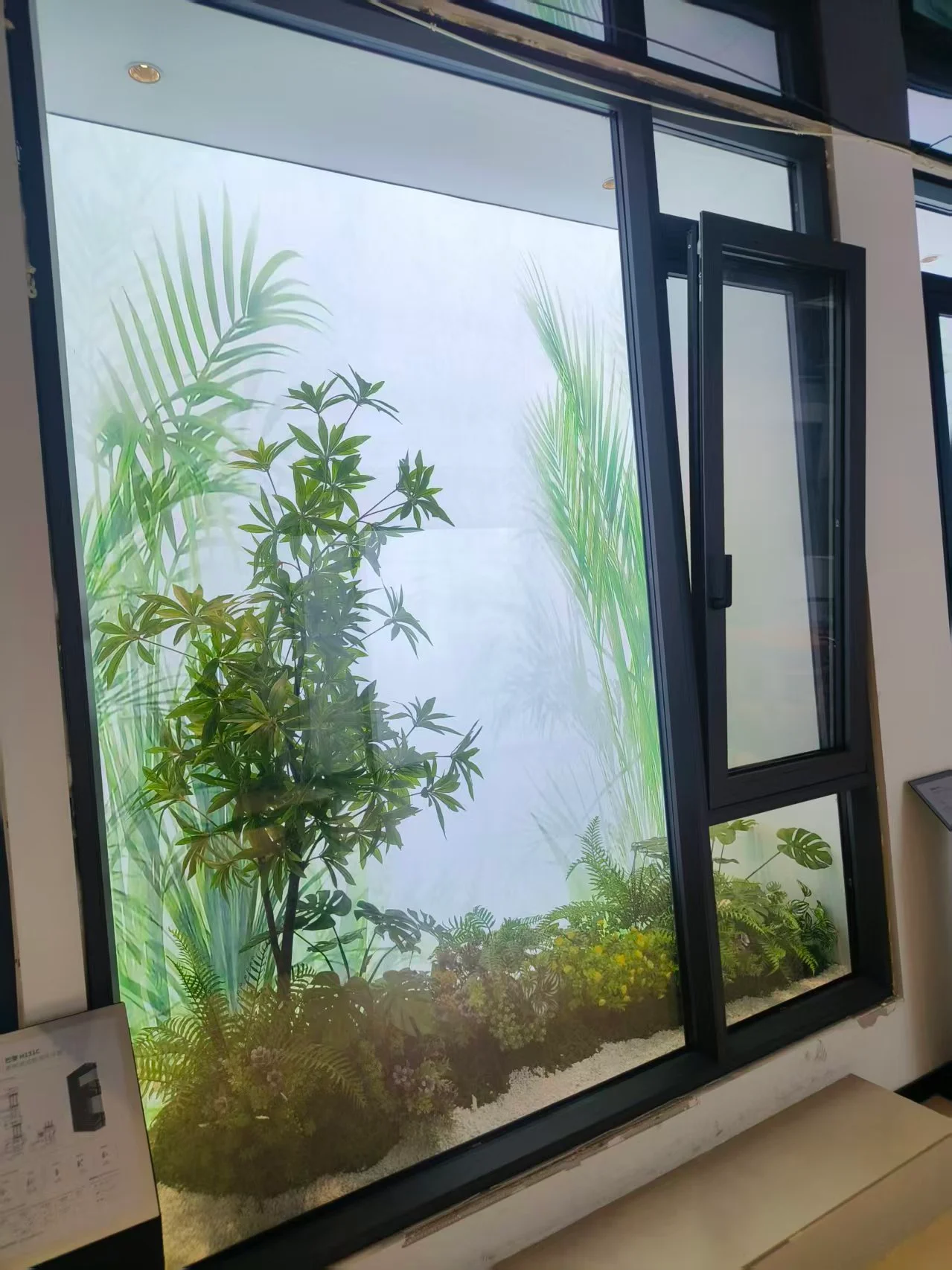
How to Import Aluminum Doors and Windows from China for Hotels and Commercial Projects
When managing large-scale commercial constructions or luxury hospitality developments, procurement efficiency directly impacts your bottom line. Choosing to source aluminum doors and windows from China has become the industry standard for global developers. Aluminum offers the perfect blend of structural integrity, sleek modern aesthetics, and exceptional durability needed to withstand high-traffic commercial environments.
However, navigating the international supply chain is not without its hurdles. Many procurement officers face critical challenges when buying from overseas. Architectural errors, ordering the wrong specifications, or failing to verify compliance with regional building codes can derail a project’s timeline and lead to catastrophic financial losses. This comprehensive B2B guide provides a step-by-step roadmap to successfully import aluminum doors for commercial projects, ensuring you minimize structural risks while maximizing your return on investment.

Why China Dominates Aluminum Manufacturing
China is undisputedly the global hub for aluminum extrusion and fenestration systems. This dominance is not merely a matter of production volume; it is driven by massive infrastructure investments, highly advanced automation, and tightly integrated supply chains located in major industrial clusters like Foshan and Guangzhou in Guangdong province.
Chinese factories utilize state-of-the-art CNC machining centers, automated powder-coating lines, and robotic precision welding that guarantee absolute consistency across thousands of units. When comparing quality and price globally, China offers an unmatched value proposition. While European manufacturers produce exceptional systems, their premium prices and extended lead times can strain commercial budgets.
On the other hand, sourcing from less developed manufacturing hubs often means sacrificing strict architectural tolerances and structural certifications. Chinese manufacturers successfully bridge this gap, offering European-standard structural integrity at a fraction of the cost. If you want to expand your procurement knowledge beyond fenestration, you can read our strategic guide on importing from China to build a highly secure and cost-effective B2B supply chain.
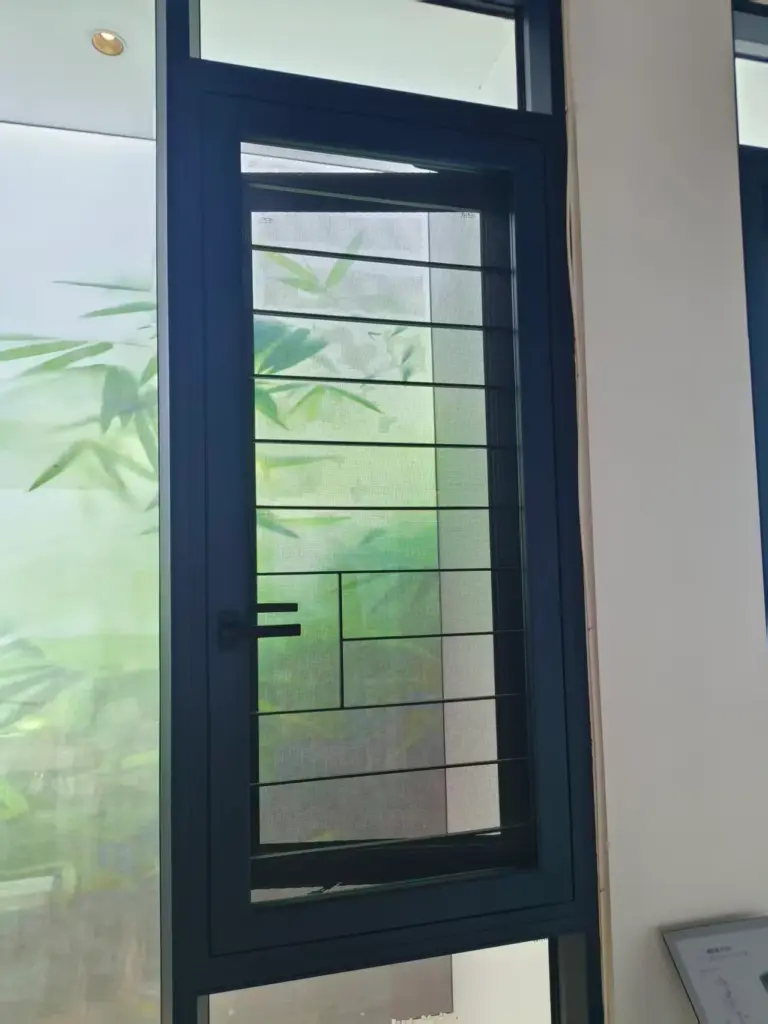
The Skyline Expertise: E-E-A-T Sourcing Insights
At Skyline Trading Co., LTD, we have worked directly with top-tier manufacturers in Foshan and Guangzhou for years. Through our on-site management, we have found that profile thickness, hardware quality, and packaging standards are often far more important than price alone when sourcing for hotel projects. Shaving off a few dollars on a cheaper quote frequently results in bent profiles, faulty handles, or shattered glass during ocean transit.
Working with an experienced partner ensures that your customized technical requests are perfectly translated onto the factory floor. If you are looking for an experienced commercial aluminum doors manufacturer China relies on, aligning your procurement with established technical experts guarantees success. This approach goes hand-in-hand with deploying tailored custom factory solutions for efficient production lines, allowing you to streamline your engineering requirements early in the project timeline.
How to Choose the Right Supplier
Sourcing successfully requires moving beyond basic B2B directory listings. To secure a seamless project execution, you must implement a rigorous China aluminum factory verification process. Not all suppliers are equipped to handle complex commercial or hospitality contracts; many are small-scale trading companies or residential-focused workshops.
Step-by-Step Supplier Auditing
- Verify Corporate Status: Request business licenses to confirm whether they are a direct manufacturer or a trading company. Look for a scope of business that explicitly includes manufacturing and exporting.
- Check International Certifications: Ensure the factory holds universally recognized credentials such as ISO 9001 (Quality Management), CE Marking (for European standards), and SGS audited reports. For American projects, look for AAMA or NFRC certifications.
- Examine Historical Project Portfolios: Ask for case studies, high-resolution photographs, and client testimonials specifically regarding previous hotel or commercial builds. A reliable aluminum windows supplier for hotel projects will gladly showcase their past global projects.
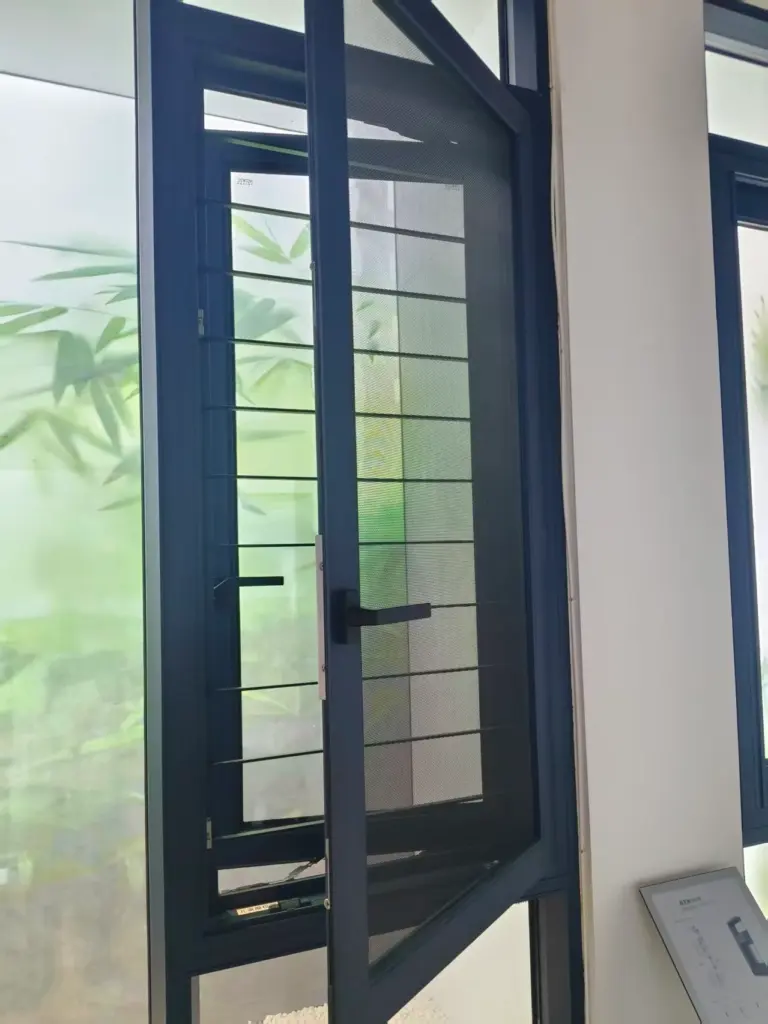
Aluminum Door & Window Specifications
Commercial structures require vastly different performance metrics than residential housing. To prevent premature structural fatigue or building envelope failures, you must carefully detail your hotel aluminum windows specifications during the initial RFQ (Request for Quote) phase.
| Component | Standard Specification | Commercial/Hotel Recommendation |
|---|---|---|
| Profile Thickness | 1.4mm – 1.6mm | 2.0mm to 3.0mm (Heavy-Duty structural support) |
| Insulation Type | Standard Aluminum | Thermal Break (Polyamide PA66 strips) |
| Glass Configuration | Single/Double Float | Double or Triple Tempered Glass with Low-E coating |
| Hardware Integration | Local Domestic Brands | Premium German/International Brands (CMECH, Hoppe, Roto) |
Thermal break aluminum windows for hotels
Energy codes in modern commercial construction demand high insulation. Investing in thermal break aluminum windows for hotels is critical for long-term operational savings. Thermal break systems insert a non-conductive polyamide barrier inside the aluminum profile, dramatically reducing thermal transfer and cutting HVAC utility costs significantly.
Furthermore, hospitality projects necessitate superior acoustic isolation. Utilizing double-glazed insulated glass units (IGUs) filled with Argon gas and treated with a Low-E (low-emissivity) film ensures guest comfort and maximum soundproofing against heavy city noise.
MOQ and Order Planning
Minimum Order Quantity (MOQ) aluminum doors
Understanding factory dynamics regarding the Minimum Order Quantity (MOQ) aluminum doors and windows require is vital for accurate budgeting. Most large-scale Chinese manufacturers set an MOQ based on total surface area (e.g., 100 to 200 square meters) or by the total weight of the customized aluminum extrusions (typically 1 to 2 tons per specific profile shape).
Lead times are highly dynamic and fluctuate based on seasonal factory loads and customization complexity. Generally, raw extrusion and fabrication take 30 to 45 days. If your project requires custom PVDF color coatings or highly specialized curved glass shapes, you should factor in an additional 15 days.
Packaging must never be an afterthought. Aluminum frames scratch easily, and glass is inherently fragile. Mandate that your supplier uses heavy-duty, IPPC-certified seaworthy wooden crates, protective PE foam wrapping, and sturdy corner guards to guarantee the cargo survives ocean transit unscathed.
Shipping Options and Logistics
Full container load shipping for hotel doors
Logistics for commercial fenestration products require careful, strategic coordination. Because these items are bulky and heavy, utilizing full container load shipping for hotel doors and windows is highly recommended. Your items occupy the entire shipping container (20ft or 40ft HQ), minimizing handling at transshipment ports and reducing the risk of structural damage.
When negotiating contracts, utilize standardized international shipping terms (Incoterms). For most B2B buyers, FOB (Free on Board) or CIF (Cost, Insurance, and Freight) provide a clear breakdown of risk transfer. Always invest in comprehensive marine cargo insurance to protect against unexpected maritime accidents or severe weather conditions. Ensure your project timeline accounts for 20 to 45 days of ocean transit, depending on your destination port.
Common Mistakes Buyers Make
Avoiding critical errors during procurement can save you tens of thousands of dollars in retrofitting expenses. Here are the three most common pitfalls:
- Buying Without Factory Inspection: Relying solely on polished PDF brochures is a recipe for disaster. If you cannot visit the facility in person, hire a reputable third-party inspection agency (like SGS or Bureau Veritas) to run comprehensive facility audits.
- Ignoring Local Building Codes: Every region enforces strict structural codes regarding wind loads, emergency egress, and thermal performance. Failing to explicitly communicate these requirements to your Chinese engineering contact will result in imported products failing local building code inspections.
- Overlooking Installation Requirements: Chinese structural systems often rely on distinct anchoring mechanisms compared to Western standards. Ensure your engineering team reviews the shop drawings thoroughly to ensure your local general contractors can seamlessly install them on-site.
If you are also sourcing complementary interior fit-outs for your hospitality building, it is highly recommended to manage everything under an integrated plan. You can view our verified list of commercial furniture manufacturers in China and their complete sourcing guide to combine logistics. Additionally, checking out successful hotel furniture projects can help you learn how to coordinate timelines across multiple architectural product categories seamlessly.
Inspection Checklist Before Shipment
Never authorize final balance payments until a rigorous Quality Control (QC) check is completed at the manufacturing site. Once the container sails, resolving structural or cosmetic defects becomes incredibly complicated.
- Sample Approval Protocol: Request a fully finished production mock-up sample before mass extrusion begins. Test this prototype for smooth mechanical movement, finish quality, and dimensional accuracy against your shop drawings.
- On-Site Testing: Instruct inspectors to perform water-tightness pressure tests, diagonal measurement verification (to ensure frames are perfectly square), and coating thickness checks using digital gauges.
- Comprehensive Documentation: Require high-definition photography and unedited video footage detailing the exact measurements, structural labels, packaging arrangements, and container loading seals.
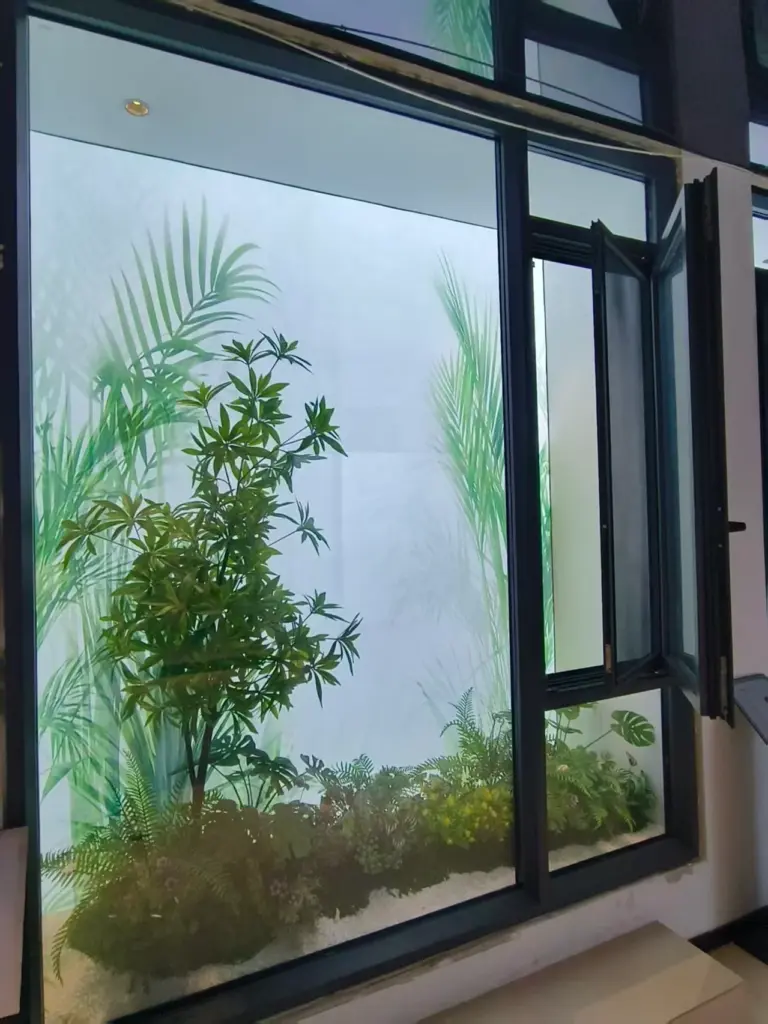
Project Timeline and Tips
A typical commercial importing schedule spans several months, necessitating precise synchronization between your overseas suppliers, architectural planners, and on-site contractors. Below is an optimal timeline outline for a standard project:
- Months 1–2: Finalizing architectural shop drawings, validating material engineering specifications, and conducting sample mock-up reviews.
- Months 3–4: Mass factory extrusion, precision machining, hardware assembly, third-party inspection, and container loading.
- Month 5: Ocean transit, local customs clearance, and secure on-site distribution.
To avoid costly setbacks, ensure your structural engineers maintain an open line of communication with the factory’s technical team from day one. Sharing master architectural CAD files early prevents misalignments and ensures structural calculations match perfectly upon arrival.
Frequently Asked Questions (FAQ)
What is the typical lead time for commercial aluminum window orders from China?
The standard manufacturing lead time ranges from 30 to 45 days after shop drawing approval. You should factor in an additional 20 to 45 days for ocean freight transit depending on your destination country.
What is the average MOQ for commercial hotel projects?
Most premium manufacturers require a minimum order quantity (MOQ) of 100 to 200 square meters of total window surface area, or a minimum profile extrusion run of 1 to 2 tons.
How do you ensure the windows comply with local building codes?
You must provide your country’s specific building code regulations (such as wind load ratings, U-factor insulation limits, or acoustic STC ratings) to the factory engineering team before finalizing the structural shop drawings.
Conclusion
Importing aluminum doors and windows from China is a highly effective strategic move to secure premium-grade structural materials while keeping your commercial project well within budget. Success ultimately hinges upon choosing a verified factory, outlining meticulous performance specifications, and enforcing strict quality control protocols prior to overseas transport.
Partnering with experienced professionals simplifies this entire process, mitigating supply chain risks completely. Contact Skyline for sourcing your aluminum doors and windows directly from verified Chinese factories, and ensure your next commercial development is delivered on time, within budget, and to the highest standards of architectural excellence.