
Hotel Lighting From China: A Procurement Guide for Developers
Written by Angelica, Smart Home & Commercial Projects Specialist at Skyline Trading Co., Ltd. — hotel lighting, smart-room integration and commercial fixture sourcing from China.
Hotel lighting is not a decorative afterthought. It is one of the most technically dense packages in a hotel fit-out — it shapes the guest experience and the architectural appearance, it drives the energy bill, it needs continuous maintenance, and it must coordinate perfectly with the interior design and the MEP (mechanical, electrical, plumbing) systems. It is also one of the most common sources of procurement failure: a lighting package ordered before the specification was fixed, from a supplier that was never verified, produces rework that delays opening and disappoints guests for years.
This guide is written for hotel developers, owners, hospitality procurement teams, contractors, architects and project managers who want to source hotel lighting from China for new-build or renovation projects. It covers what hotel lighting actually includes, how to define the technical specification, how to find and verify Chinese lighting factories, what certifications the destination market requires, how to approve samples and mock-ups, how to compare quotations honestly, and how to run quality control, packaging and logistics so the package arrives complete and on schedule.
The short version first: hotels source lighting from China safely when lighting is procured as an engineered, measured, verified package — a lighting schedule with fixed specs, verified suppliers, approved samples, destination certifications, and inspection gates — not as a collection of attractive fixtures. The rest of the guide is the method for doing that.
Quick Answer: Can Hotels Source Lighting From China?
Yes. China’s lighting industry produces a large share of the world’s LED lighting and the majority of the decorative, custom and hospitality fixtures used by hotels globally. The manufacturing depth spans standard commercial downlights, architectural linear systems and bespoke lobby chandeliers, and the same factories that make the fixtures also make the drivers, control components and accessories.
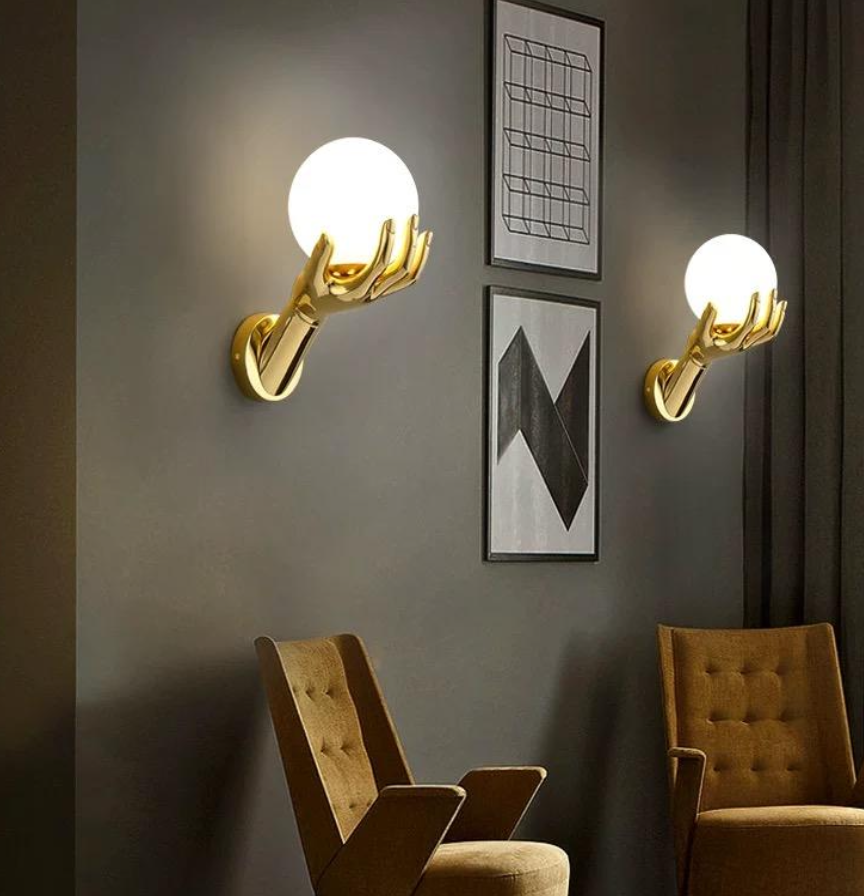
What can be sourced: practically every hotel lighting category — guestroom lighting, bedside and reading lights, downlights and spotlights, decorative pendants, chandeliers, wall lights, bathroom lighting, corridor lighting, lobby and restaurant lighting, ballroom and event lighting, exterior and facade lighting, landscape lighting, back-of-house lighting, emergency lighting and signage-related lighting.
What developers must verify before ordering: the fixture makes the list of what the project needs, but the three decisions that protect the project are the fixed technical specification (light output, color, dimming, driver, voltage, IP, materials), the supplier’s real manufacturing capability and certification readiness, and the destination-market compliance chain — because lighting is a regulated electrical product, not a decoration.
The biggest procurement risk: ordering before the specification is finalized and approved. Every un-fixed parameter becomes an assumption in someone else’s quote, and every assumption becomes a later change order, a code issue or a mismatched fixture on site.
The correct procurement sequence: project brief → lighting schedule and specification → supplier search and qualification → technical review → quotation comparison → samples → mock-up approval → production → factory QC → packing → shipping → site coordination. This article walks through that sequence section by section, in the order a successful project follows. A hotel lighting package sits inside the wider program; see our hotel procurement guide for how it coordinates with the rest of the hotel’s China-sourced scope.
1. What Hotel Lighting Includes
Hotel lighting is best understood as several sub-packages with different technical, aesthetic and maintenance characters. Defining them separately keeps the procurement manageable.
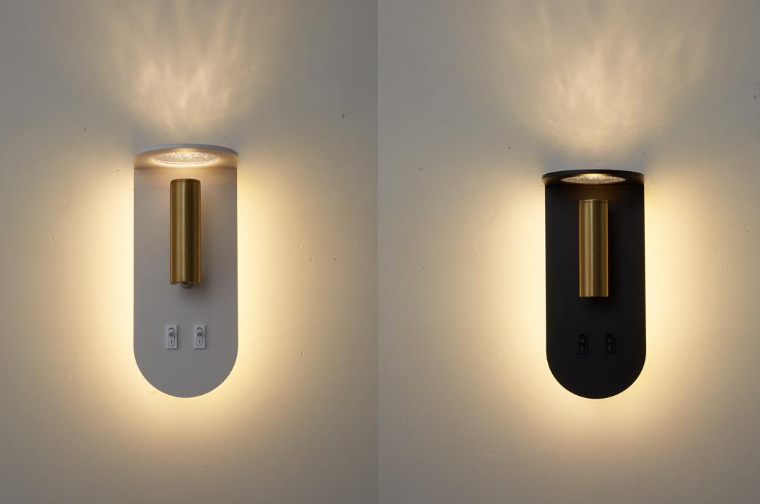
- Guestroom lighting: bedside lamps and reading lights, ceiling or wall-mounted headers, decorative pendants, accent and task lighting, plus the layering that gives adjustable, comfortable illumination.
- Bathroom lighting: vanity lighting and mirror lights, IP-rated downlights for wet zones, and task lighting that must not compromise the mirror reflection line.
- Corridor and circulation lighting: orientation lighting, downlights and wall sconces that maintain security while saving energy when areas are unoccupied.
- Lobby and public-area lighting: chandeliers and statement pendants, architectural feature lighting, accent and decorative fixtures that define the arrival experience.
- Restaurant and F&B lighting: dimmable, layered schemes for ambiance, including pendant and linear systems, with coordination to the kitchen and service areas.
- Meeting, ballroom and event lighting: flexible, often dimmable and program-controllable systems that support different event configurations.
- Exterior and facade lighting: building facade washes, entrance and canopy lighting, wayfinding, and perimeter lighting that meets local exterior-lighting rules.
- Landscape lighting: path, plant and feature lighting around pools, gardens and terraces.
- Back-of-house lighting: corridors, kitchens, laundries, stores and administrative areas — functional, robust, usually the simplest fixture types.
- Emergency and sign lighting: emergency exit and escape lighting, which is regulated by local life-safety codes and is usually supplied and approved separately from the decorative package.
- Signage-related lighting: illuminated building signs, wayfinding and brand signage often coordinated with the lighting supplier or a signage specialist.
The point for a developer: a hotel lighting package is a portfolio of different products with different purposes, and it should be specified, quoted and inspected package by package — not as one undifferentiated “lighting order.”
2. Hotel Lighting by Area
| Area | Typical lighting | Key procurement considerations |
|---|---|---|
| Guestrooms | Bedside lamps, reading lights, ceiling headers, pendants, accent downlights | Task layer for reading; layered dimming; luminance levels guests control; durable, easily replaceable finish; controls compatibility with the room system |
| Bathrooms | Vanity/mirror lights, IP44+ downlights and wet-zone fixtures | Ingress protection for wet zones; mirror reflection quality; maintenance access |
| Corridors | Downlights, wall sconces, orientation accents | Low standby energy; occupancy control; consistent color across thousands of fixtures; fire and emergency integration where required |
| Lobby | Chandeliers, statement pendants, architectural washes | Single high-value statement items — custom engineering, mock-up, and shipping care justify their own budget and timeline |
| Restaurants | Dimmable pendants, linear accents, task/ambient layering | Dimming quality and control scenes; finish durability against cleaning; coordination with interior and kitchen MEP |
| Meeting/ballroom | High-output, controllable, flexible systems | Programmatic flexibility; high lumen output; driver and control reliability for long events; potential local energy caps |
| Exterior/facade | Facade washes, entrance, canopy, wayfinding | IP and surge/lightning protection; local exterior lighting rules; thermal management for outdoor drivers; landscape coordination |
| Back-of-house | Functional downlights, bulkheads, utility fixtures | Robustness and easy maintenance; simple specification; energy performance for long-run spaces |
The common thread: every area is a small specification exercise, and each one feeds a different supplier, a different fixture set and a different certification question. Hotels commonly consolidate them into two or three sourcing groups — guestroom package, public-area package, and exterior/back-of-house package.
3. Technical Specifications Developers Must Define
A quotation is only comparable when every fixture has a written specification. Before any supplier is asked to quote, the developer should fix the following parameters for each fixture type. This is the section that separates a lighting package from a lighting lottery.
- Wattage and power: the connected load per fixture and the system total — governs energy budgets, cabling and load calculations.
- Lumen output: the actual light output (lm) the fixture must deliver, and the efficacy (lm/W) expected from the LED system.
- Color temperature (CCT): the white-point in Kelvin (for example 2700K, 3000K, 4000K) per area. Guestrooms are almost always warmer; back-of-house often cooler. Color temperature consistency across the whole project matters more than a single value.
- Color rendering (CRI/Ra): how faithfully colors appear. Hospitality commonly specifies CRI 90+, and some brands or designs require Ra 95+. This is a measurable spec, not a preference claim.
- Beam angle: for spots and downlights, the field angle (for example 24°, 36°) must match the interior design intent and the mounting height.
- Dimming and control interface: driving compatibility is a fixture decision — TRIAC, 0–10V, DALI, or a proprietary or smart protocol — plus the dimming curve quality (flicker-free is the norm buyers specify). This must match the electrical and room-control design, which is where hotel lighting and smart-home-type control systems meet.
- Driver and power supply: the driver brand or grade, replaceability, and thermal load. A cheap driver is the first thing that fails and the most common downgrade in a low price.
- Voltage and frequency: 120V/277V for North America, 220–240V for most other markets, with the right wiring and plug/terminal configuration for the destination.
- IP rating: ingress protection level (for example IP20 indoor, IP44 bathrooms, IP65+ exterior/wet zones) matched to each location.
- Materials and finish: the actual material (aluminum, brass, steel, glass, crystal, acrylic, textile shade) and the finish class — including whether plated finishes are solid or plated, which matters enormously for coastal and high-humidity hotels.
- Color consistency and binning: LED emitters and drivers must come from consistent bins so identical-looking fixtures match across the project; specify tolerance standards and ask how the factory manages binning.
- Lifetime claims: LED lifetime is projected from IES LM-80 and TM-21 data; ask for the fixture’s documented lifetime basis and the warranty that backs it, not a sales figure.
- Thermal management: heat-sink design and operating temperature limits affect rural lifetime and dimming behavior; verified in testing, not catalog pages.
- Control and accessories compatibility: sockets, plugs, remote controls, sensors and emergency modules must be specified so nothing on site arrives in a different standard.
The rule that underpins the whole article: fix the specification before comparing quotations. Every line on this list that is left open is a line someone else decides — and it comes back as a change order, an off-code fixture, or a mismatch discovered on opening.
4. Decorative vs Architectural vs Technical Lighting
Hotel lighting divides into three families that are evaluated on different criteria:
- Decorative lighting — the fixtures guests see and remember: chandeliers, statement pendants, designer table lamps, wall sconces with character. Selection is aesthetic-led; engineering, certification and maintenance still apply, but the value is in the object.
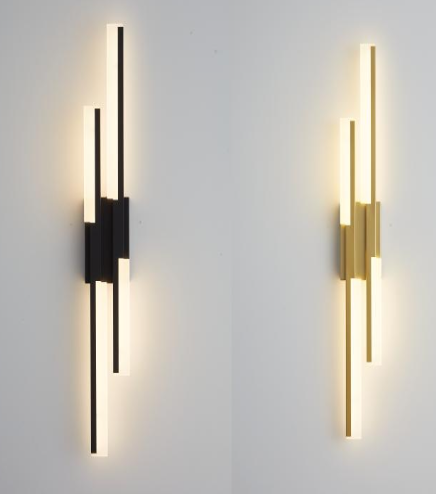
- Architectural lighting — lighting built into the architecture: linear systems, coves, wall-washing, facade and landscape installations. The fixture may nearly disappear; the light and the coordination with the architecture carry the value.
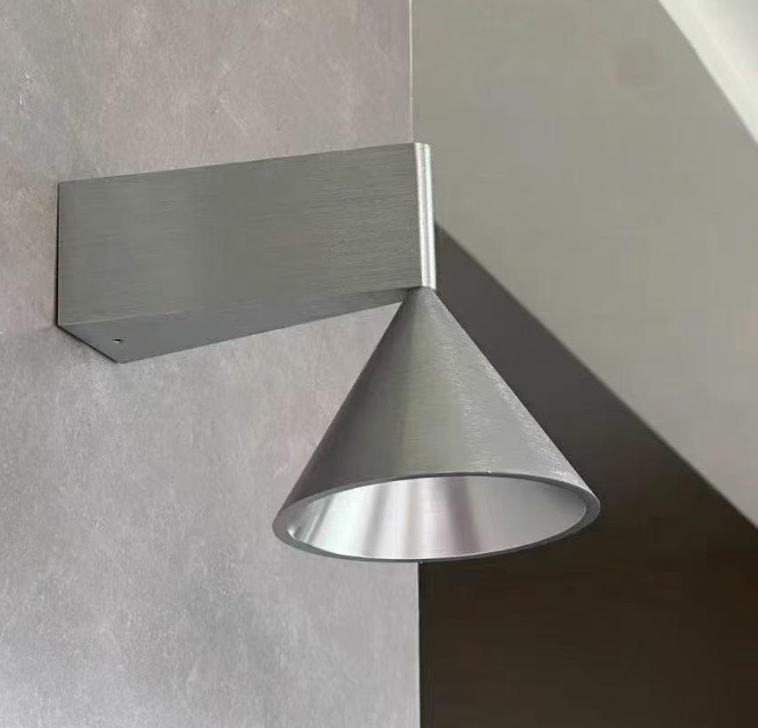
- Technical lighting — the workhorse layer: downlights, spotlights, bulkheads, back-of-house fixtures. Evaluated on light output, color consistency, efficiency, driver and maintenance cost — the least glamorous and often the largest volumetric order.
A hotel project normally requires all three. The procurement error is evaluating them with one yardstick: treating a chandelier like a downlight (price per unit, no engineering), or treating a linear architectural system like a decorative product (no photometric and control verification). Each family gets its own specification, its own suppliers and its own inspection criteria — decorative for finish and construction, architectural for photometrics and control, technical for reliability and cost.
5. How to Source Hotel Lighting From China
The sourcing workflow below is the sequence a developer (or its China-side partner) follows. Each step gates the next.
- Project brief. Define the property type, design intent, area-by-area lighting requirements, brand standards (if a brand applies) and the opening date.
- Lighting schedule and specification. Produce the full fixture schedule with the technical parameters from Section 3 for every fixture type, plus target quantities per area.
- Supplier search. Identify candidate factories by category — decorative, architectural/technical, guestroom, exterior — from verified channels: exhibitions (Canton Fair, Hong Kong Lighting Fair), industry referrals, and shortlists built by China-based partners. Marketplace listings are a discovery tool, not a supplier recommendation.
- Supplier qualification. Vet the candidates against the criteria in Section 7 before any engagement: legal status, real factory, capability, exports, certifications.
- Technical review. Send the specification to the shortlist, and have the engineering reviewed: drivers, control compatibility, voltage, thermal and certification feasibility. Catch conflicts here, not after production.
- Quotation comparison. Compare only identical specifications using the framework in Section 10 — this is where hidden costs separate.
- Samples. Order physical samples of representative fixtures per category: finish, glass/metal quality, light output, color, driver behavior and dimming behavior.
- Mock-up approval. Approve the guestroom lighting in a full guestroom mock-up and the public-area statements in their actual or representative setting. Approve in writing; the approved sample becomes the contract benchmark.
- Production. Release production with written milestones per package and progress evidence; any specification change after approval requires written authorization.
- Factory QC. Run the production-stage checks described in Section 12 — mid-production on custom-heavy work, and always a pre-shipment inspection before packing.
- Packing. Verify the packaging standard per Section 13 — fragile decorative fixtures genuinely need the protection they are quoted with.
- Shipping. Consolidate and ship with complete documentation, spare parts, and delivery sequenced to the installation plan.
The same progressive gating is exactly what the China supplier verification checklist and the factory audit guide institutionalize — verification happens before deposits, not after problems.
6. Where Hotel Lighting Is Manufactured in China
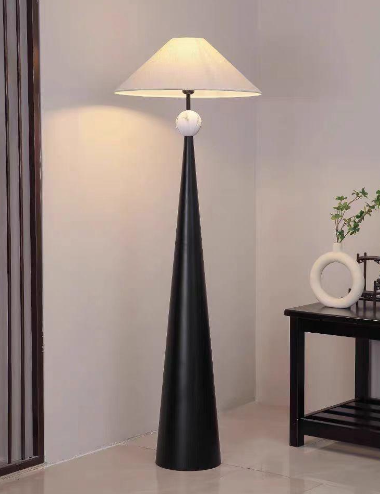
Chinese lighting manufacturing is concentrated in linked clusters, each with a different specialty. Region matters for matching the product, not as a quality guarantee.
- Zhongshan (Guangzhou-region, Guangdong) — particularly the Guzhen and Henglan towns — is the largest decorative lighting cluster in China, producing chandeliers, pendants, table and floor lamps, wall sconces and project lighting. It is the natural starting point for the decorative layer of a hotel program.
- Guangzhou (Guangdong) acts as a trading and exhibitions hub for the wider cluster, hosting suppliers and trade fairs that many international buyers and sourcing teams use.
- Shenzhen (Guangdong) concentrates on LED technology, smart lighting and higher-tech fixtures — the engineering-led end of the market, relevant for architectural and technical layers.
- Dongguan (Guangdong) hosts specialized manufacturers, including hotel guestroom lighting and custom lamp makers.
- Ningbo (Zhejiang) is strong in outdoor lighting, industrial fixtures and large-batch standardized production.
- Yangzhou (Jiangsu) specializes in street lighting, solar lighting and public infrastructure products.
Beyond regions, the buyer must distinguish five types of entity behind a “lighting supplier”:
- Actual manufacturers — own factories, tooling, assembly and, in the better cases, testing; the realistic partner for hotel volumes.
- Trading companies — resell other factories’ goods; can coordinate multi-source baskets but add a layer and limit quality control.
- Distributors — domestic or export distributors of multiple brands; useful for standard catalog items, less so for custom work.
- Component suppliers — make parts (shades, chips, drivers, hardware) rather than finished fixtures.
- Design-led lighting companies — factories or houses with in-house design teams that produce bespoke decorative and architectural work; the partner for statement pieces.
The developer’s shortlist should be built from actual manufacturers and, for bespoke import pieces, design-led factories with manufacturing behind them. The verification steps below are what confirm which of the five a candidate actually is.
7. How to Verify a Chinese Lighting Supplier
The surface claims of a lighting supplier are the least reliable part of the transaction. These are the checks that separate reality:
- Company registration and identity. Confirm the legal entity, its business scope, and that it matches the owner of the factory and the signer of documents. Litigation and corporate-change histories are visible to a diligent due-diligence step.
- Factory location and ownership. Confirm the physical factory, who operates it, and that the entity you sign with owns or controls production rather than brokering someone else’s outputs.
- Production capability. Lines, capacity per month, in-house assembly and testing versus outsourcing of steps; the share of work done in-house is a proxy for control.
- Product categories. Whether the supplier genuinely makes the categories you need — a chandelier house is usually not the right partner for a 10,000-unit downlight program, and vice versa.
- Engineering capability. In-house design and engineering teams for custom pieces; how shop drawings and electrical design are produced and reviewed.
- QC process. The documented inspection points: incoming materials, in-process checks, burn-in for electrical items, final functional testing, and the factory’s own acceptance records.
- Testing documentation. Certificates and test reports for the product categories in play, the laboratory that issued them, dates, and whether they cover the exact configurations you intend to buy.
- Export experience. Records of exports to your destination market or comparable markets; documentation competence is a strong predictor of a smooth shipment.
- Sample quality. The physical sample is the first piece of evidence — finishes, joints, wiring, driver and markings tell the real story of the production line.
- Communication and coordination. Whether the sales engineer understands specifications, quantities, Incoterms and inspection process — the quality of coordination during quoting predicts the quality of the project.
- Packaging competence. Showroom-grade catalog photos say nothing about shipping; ask how fragile decorative items are packed and tested.
- Production capacity and schedule honesty. Realistic capacity for your order in the season you need it, with the cash-flow and schedule risk assessed before commitment.
Every one of these steps is a documented procedure in our China supplier verification checklist and the China factory audit guide, both written for exactly this class of decision. The sample stage is covered in depth in Section 9.
8. Certifications and Destination-Market Compliance
Lighting is a regulated electrical product, and certification is a destination-market and project-specification question — not a single global stamp. The developer must separate several distinct compliance layers and confirm each for the final product configuration:
- Product safety — electrical safety of the luminaire and its wiring (for example UL 1598 and UL 8750 for LED equipment in North America; IEC 60598 in Europe and much of the world).
- Electromagnetic compatibility (EMC) — the fixture must not interfere with other equipment (for example FCC Part 15 in the US and the EU EMC Directive).
- Energy requirements — efficiency and standby-power rules and their registration systems (for example the EU ErP and EPREL database, SASO energy-efficiency requirements in Saudi Arabia, and the DLC rebate/qualification programs used in parts of North America).
- Fire requirements where applicable — for specific locations such as escapes, corridors and certain public areas.
- Project-specific approvals — local electrical permits, examiner or insurer requirements, and brand standards that may exceed code.
- Local electrical requirements — voltage, frequency, wiring, plugs and marking per market.
| Destination | Typical compliance considerations (confirm against the project) |
|---|---|
| United States | UL or ETL safety listing (UL 1598, UL 8750), FCC Part 15 EMC, potential energy/utility requirements (e.g., DLC for rebate programs), NEC installation requirements |
| Canada | CSA or ETL acceptance to North American standards, province-specific electrical adoption |
| European Union | CE marking under the Low Voltage, EMC, RoHS and energy-related directives; EPREL registration; IEC 60598 safety |
| United Kingdom | UKCA marking (CE remains recognized per current transitional rules), UK electrical and RoHS requirements |
| Australia / New Zealand | SAA approval to AS/NZS 60598, RCM compliance mark and regulatory compliance |
| Gulf / Middle East | SASO energy-efficiency and safety requirements in Saudi Arabia, GCC Conformity/G-Mark under GSO, SABER registration for Saudi customs and tenders |
Two rules keep a developer safe: first, ask for certificate and test-report documents for the exact product configurations being purchased — a general company ISO certificate is marketing, not compliance. Second, confirm the certification cost and timeline in the RFQ itself, because testing to a destination standard adds money and lead time, and some factories quote it out or quietly omit it. The certification layer is part of the landed cost and the project schedule, planned like any other line item.
9. Hotel Lighting Samples and Mock-Up Approval
Samples exist to prove the specification in physical form, and mock-ups exist to prove the design in the real setting. Both are approval gates that protect mass production.
Why samples matter: a quotation is a promise in words; a sample is the first evidence of what the factory intends to ship. The sample should be checked for finish quality, material reality, glass/metal construction, wiring and driver condition, markings and the physical expression of CCT, CRI and beam angle.
The sample approval steps for each representative fixture type:
- Finish and color approval — against the project’s finish masters, including how plating and paint look in the actual lighting conditions of the space.
- CCT/CRI verification — measure or confirm the color temperature and rendering against the spec, ideally with an instrument or the factory’s photometric data cross-checked to the sample.
- Beam-angle testing — verify the spot and distribution behavior at the actual mounting height.
- Dimming and control testing — confirm the driver dims to the specified range without flicker, and integrates with the project’s control protocol chosen with the smart and control design.
- Guestroom mock-up — build the complete lighting scheme in a real guestroom: layered lighting, dimming behavior at night and day, switch/wall-plate coordination, and the guest experience of the controls.
- Public-area mock-up — statement fixtures (chandeliers, linear systems) reviewed in size, scale, finish and effect against the space, including how they interact with the interior design.
- Documented approval — the approved sample is photographed, referenced and formally approved in writing. It becomes the comparison benchmark for production and the reference for the pre-shipment inspection.
The headline of this section is a hard rule: approve before mass production. Every fixture that skips the sample-and-mock-up gate is a fixture whose real appearance and behavior are unknown until it is on a container or on a wall. The cost of approving early is always lower than the cost of discovering a mismatch at opening.
10. How to Compare Hotel Lighting Quotations
Quotation comparison is the moment where the cheap-looking quote reveals its real shape. Compare the package, not the per-unit price:
- Fixture price — the base unit cost, and the basis (piece, carton, set) with the fixture condition clear.
- Driver and electronics — brand, grade and replaceability; the cheapest fixture usually pairs with the cheapest driver.
- Accessories — cables, plugs, sockets, canopies, mounting hardware and brackets; quotes differ wildly on what is “included.”
- Control components — dimmers, interfaces and drivers compatible with the project’s control protocol.
- Customization — tooling, molds, prototype, shop-drawing and engineering fees, plus the per-unit effect.
- Packaging — the actual packing standard for decorative fragility, per Section 13, itemized in the quote.
- Testing — the certification and test-report scope actually quoted (which standards, which laboratory, whether quotes exclude certification entirely).
- Spare parts — replacement drivers, LED modules and components; a warranty is worth nothing without the spare-parts path.
- Shipping terms — Incoterm and the true freight and duty position; FOB and DDP are different products.
- Lead time — the realistic production and delivery schedule, including holiday and peak-season effects.
- Warranty — duration, what it covers (fixture, driver, labor), and the claim process with a factory in China.
- Installation-related requirements — electrical accessories, marking, and anything that affects the local installer’s scope.
Hidden-cost risks to watch: certification quoted separately or omitted; sample and tooling fees surfacing after comparison; downgraded drivers and materials to reach the headline price; packaging that protects a catalog photo but not a container; and a warranty that cannot be exercised. The pattern behind all of them — and the wider cost of resolving it — is documented in our China procurement risks guide.
11. Custom Hotel Lighting From China
Custom lighting is China’s genuine specialty and a hotel’s differentiator. Statement chandeliers, brand-specific fixtures, custom finishes and dimensions, and one-off piece work are normal production for Guangdong’s decorative cluster.
What customization covers: custom dimensions and scale; finishes and material grades (including solid vs plated metal); color matching to the interior design; branded and proprietary fixtures; custom chandeliers, pendants and linear systems; custom mounting systems and canopy engineering; and prototype development through shop drawings to a finished sample.
When customization is worth it: when the design intent, brand identity or architecture genuinely requires it — lobby statements, brand-standard bespoke pieces, signature suites, and any fixture that must match the interior in a way off-the-shelf catalogs cannot. When it is unsafe: for high-volume technical layers (downlights, bulkheads, corridor fixtures) and anything governed by certification and local code, standard certified products are safer and cheaper, and the gain from customizing them is low.
The custom workflow itself obeys the same gates as the rest of this article: a written design and specification, an engineering review, shop drawings, a physical prototype, sample approval, and then production with inspection — with the prototype and approved sample documented as the contract benchmark. Custom without that process produces beautiful samples and different fixtures on site.
12. Quality Control Before Shipment
Quality control for lighting happens at three points, each with a different purpose:
- Sample inspection — verifies the representative sample before approval and mass production (Section 9).
- Production inspection — milestone checks during production on custom-heavy work: materials arriving on line, finish batches, assembly quality, driver and wiring checks, and progress against the schedule.
- Pre-shipment inspection (PSI) — the final verification of the finished batch against the approved sample, the BOQ and the fixture schedule before packing.
The practical checks at inspection:
- Dimensions — fixture sizes, mounting points and cut-outs match drawings.
- Finish — color, texture, plating and painting quality against the approved finish masters.
- Assembly — joints, adhesives, hardware tightness, alignment and lamp/seating fit.
- Light output — lumen output and efficacy spot-checks against the specification.
- CCT/CRI where appropriate — color temperature and rendering on sample units per fixture type.
- Driver — brand/grading match, wiring correctness, and burn-in/functional test results.
- Wiring — internal wiring, connections, polarity, insulation and earthing per the standard.
- Labeling — rating labels, certifications markings, warnings and destination-specific marking present and correct.
- Packaging — the packing standard per Section 13: protection, cushioning, labeling and documentation.
- Quantity — counts per type, plus the spare-parts quantity contracted.
- Approved-sample comparison — the physical comparison of production units against the approved sample and its photographic record.
An accepted level for sampling inspection is commonly set around AQL 2.5 (critical/major/minor), agreed before production. The low cost of a pre-shipment inspection against the cost of a container of non-conforming fixtures makes the PSI the least-negotiable step in the entire lighting process.
13. Packaging and Logistics
Lighting travels badly. Decorative fixtures are fragile by design — glass and crystal components, thin metal finishes and delicate textile shades — and the fixture most photographed in a showroom is the most easily destroyed in a container. Packaging is therefore a specification, not a courtesy.
What good hotel lighting packaging includes:
- Protection per fixture type: protective film on polished metal, foam and carton cushioning around glass and crystal, rigid structural support for chandeliers so their weight rests on the frame and not on the crystals.
- Component-level packing: drivers, bulbs and small parts separated, sealed and labeled to prevent rattling and damage and to keep quantities countable.
- Wooden crates where appropriate: large and heavy statement fixtures — oversized chandeliers and nonlinear custom pieces — may require crates engineered to the fixture’s weight and hanging geometry.
- Container loading: crushing-resistant layers, load-planning that puts the cast-iron and solid-metal items at the base, and the fragile decorative layer on top — sequence and weight distribution decided before loading.
- Spare parts: packaged and itemized spares (drivers, modules, bulbs, small parts) shipped with the project, not as a separate backorder.
- Labeling and documentation: fixture, carton and crate markings keyed to the packing list, so the site team can identify, check and claim items without opening everything.
- Project-by-project packing: a one-project packing plan with packing lists per container, since a hotel’s lighting rarely fits order boundaries.
The shipping advice that matters: do not accept generic guarantees of “professional packing” — require the packing plan in the quotation, verify it during the pre-shipment inspection, and photograph the loaded container. Freight insurance is standard practice for delicate electrical goods and should be carried to the project’s risk point.
14. Hotel Lighting Procurement Timeline
The lighting timeline runs from design freeze to installation, and each step is driven more by gates than by calendar. The sequence for a typical new-build or renovation lighting package:
- Design and specification — the lighting schedule and technical parameters are frozen; the longer this takes, the safer the project.
- Supplier qualification — the shortlist is verified and documented.
- Quotation — identical-spec RFQs are returned and compared.
- Samples — representative samples are produced and shipped; allow for production plus transit.
- Mock-up and approval — the guestroom and public-area mock-ups are approved in writing.
- Production — custom-heavy and statement work runs longer than catalog items; production follows the approved samples.
- QC — production and pre-shipment inspection milestones are met and documented.
- Shipping — packing, loading, export documentation and transit to the destination.
- Site coordination — spares, installation, and the local electrical and inspection steps.
There is no universal fixed timeline for a lighting package: a standard downlight order in verified stock profiles can move much faster than a custom lobby chandelier with new tooling and certification testing. What is universal is that lighting, like the rest of the hotel’s China packages, must be planned backward from the opening date, with the custom and certification-dependent items started first. Chinese factories generally close around the Chinese New Year holiday, which crowds capacity in the surrounding weeks; peak shipping seasons in the second half of the year add transit time and freight cost. Treat the schedule as a sequence of gates, not a single date, and plan the longest-lead items first.
15. Common Mistakes Developers Make
The failure patterns in hotel lighting procurement are consistent and avoidable:
- Choosing by price only — the headline unit price hides drivers, materials, packaging and certification downgrades; the cheap quote is usually expensive.
- Ordering before the final specification — every un-fixed parameter gets decided by someone else, then fixed later at change-order cost.
- Skipping samples and mock-ups — the fastest route to a beautiful catalog fixture and a different product on site.
- Ignoring the driver — the driver is the first component to fail; ignoring it turns a warranty claim into a maintenance crisis.
- Ignoring destination compliance — ordering without the certificate and test requirements of the final market means rework or blocked customs clearance.
- Mixing incompatible components — drivers, control protocols, voltages and dimming interfaces that do not match the electrical and control design.
- Changing specifications after approval — late changes ripple through production, certification and the schedule.
- Failing to coordinate with MEP and interior design — cut-outs, mounting, cabling and finish integration discovered too late.
- Inadequate spare parts — no spare drivers and modules on site when failures surface during the run-in period.
- Weak packaging requirements — decorative fragility treated as an afterthought, then damaged in transit or storage.
- No documented approved sample — without the photographic and physical benchmark, every inspection argument collapses.
The pattern underneath all of them is present in the wider set of sourcing mistakes broken down in the China procurement risks guide — and the way to avoid them is the gated process of this article, step by step.
16. Hotel Lighting Cost Factors
Lighting cost is an equation of specification, quantity and customization — not a fixed price per fixture that survives a project. For planning, what actually drives the cost:
| Factor | Why it drives cost |
|---|---|
| Fixture type | A spot or downlight and a crystal chandelier are different cost worlds; the mix across the schedule sets the envelope |
| Material | Solid brass, stone and K9 crystal versus aluminum, steel and acrylic; plated versus solid finishes |
| Size | Scale and weight of statement pieces drive material, engineering and shipping cost |
| Finish | Quality of plating/painting, coastal finishes and finish masters add real cost |
| LED and driver | Chip grade, driver brand/replaceability and thermal design |
| Customization | Tooling, prototypes, shop drawings, engineering review and one-off finishing |
| Quantity | Volume pricing per fixture type; small statement runs cost what they cost |
| Certification and testing | Destination certification, test reports and mock-up performance evidence |
| Packaging | The engineered packing per Section 13 differs wildly from generic carton packing |
| Shipping | Fraight, crating, insurance and duty for fragile, volumetric goods |
| Project complexity | Coordination, defect allowances and spares for a multi-package program |
There is no honest generic “China lighting costs $X–$Y per fixture” figure: the same hospitality chandelier can sit at very different landed costs depending on material, certification and packing. A developer’s cost plan should be built from the specific fixture schedule and the comparison framework of Section 10, against a total landed cost (fixture price plus packing, freight, duty, certification and inspection), not against a market rumor.
17. China Hotel Lighting vs Buying Through Local Distributors
| Dimension | Direct China sourcing | Local distributor | International lighting brand | China sourcing partner |
|---|---|---|---|---|
| Price | Lowest landed cost at scale | Mid — layer added to import cost | Highest | Near-direct cost, less risk |
| Customization | Full (tooling, finishes, bespoke pieces) | Limited to their catalog | Limited or premium-only | Full, coordinated |
| MOQ | Project-based; custom pieces flexible | Catalog-friendly small lots | High for custom | Negotiated around your project |
| Communication | Direct with factory, time-zone and language gap | Local, easy | Local, easy | One voice bridging both sides |
| Quality control | Buyer-managed (samples, mock-up, PSI) | Import quality already handled, less control of it | Brand-managed | Managed as a service |
| Technical coordination | Requires a competent technical brief | Product-only input | Strong, standards-driven | Specification and drawing coordination |
| Logistics | Buyer organizes freight and duty | Stocked/site-delivered | Brand logistics | Consolidated project logistics |
| After-sales | Contract and spares management required | Local accountability | Strong warranties | Spares, claims and run-in support |
| Project risk | Highest without process | Moderate | Low, high cost | Low, process-driven |
The decision is not China versus the rest of the world — it is a decision about who carries the engineering, quality-control and compliance risk of the package, and at what cost. Direct China sourcing carries the lowest cost and the highest management responsibility; a sourcing partner sits in the middle, keeping most of the China economics while carrying the coordination and quality burden described in the next section.
18. How Skyline Can Support Hotel Lighting Procurement
Skyline Trading Co., LTD. is a China-based sourcing and manufacturing partner headquartered in Foshan, Guangdong — an established part of the wider hotel-procurement support ecosystem, active in sourcing, factory audits, quality control and coordination since the company’s founding in 2012. It is not a lighting manufacturer, and it positions itself honestly: Skyline’s role is to be the developer’s China-side engineering and coordination resource between the project and verified factories.
For a hotel lighting package, the areas of support are:
- Supplier sourcing and matching — building the shortlist across the decorative, architectural and technical lighting categories against the project’s fixture schedule.
- Factory verification — confirming registered, real manufacturing capability, engineering depth and export record before any deposit.
- Quotation comparison — normalizing quotes to identical specifications and catching the hidden-cost pattern of Section 10.
- Sample coordination — managing samples, finish masters and the guestroom and public-area mock-up approvals.
- Quality control — production-stage checks and pre-shipment inspection against the approved sample, fixture schedule and BOQ.
- Production follow-up — milestone tracking and change-control discipline through production.
- Logistics coordination — packing verification, container planning and documentation aligned to the installation sequence, alongside the hotel’s other packages.
- Project procurement support — integrating lighting with the furniture, FFE and equipment scope so a hotel’s furniture projects and lighting arrive as one coordinated program, exactly as restaurant and hotel solutions planning works across the property.
Because a hotel’s lighting package is only as good as the process around it, Skyline’s value is the process — not the fixture price list.
FAQ: Hotel Lighting From China
Can hotels buy lighting directly from China?
Yes. Hotels source almost every lighting category from China, from downlights to bespoke lobby chandeliers. The condition is process: a fixed specification, verified suppliers, destination certifications, approved samples and inspection gates. Buying directly carries the lowest cost; buying without process carries the highest risk.
What hotel lighting can be sourced from China?
All of it in practical terms: guestroom, bedside and reading lights, bathroom lighting, corridors, lobby and restaurant fixtures, ballroom and event systems, exterior and landscape lighting, and back-of-house lighting. Emergency and life-safety lighting is generally managed separately because it is regulated by local codes.
How do I verify a Chinese lighting supplier?
Verify the legal entity and factory ownership, production and engineering capability, product categories, QC process, testing and certification documentation, export record, sample quality, packaging competence, communication and realistic capacity. The documented procedures are in our supplier verification checklist and factory audit guide.
What certifications are needed for hotel lighting?
It depends on the destination market and project specification, and it always includes distinct layers: product safety, electromagnetic compatibility, energy requirements and, where applicable, fire and project-specific approvals. Examples: UL or ETL and FCC in the US; CSA/ETL in Canada; CE and EPREL in the EU; UKCA/CE in the UK; SAA/RCM in Australia and New Zealand; SASO, G-Mark and SABER in Gulf markets. Never assume one mark covers another market.
Should I approve samples before production?
Yes — insist on it. Samples prove finish, material, light output, color temperature, color rendering, beam angle and dimming behavior before mass production, and the approved sample becomes the inspection benchmark. Skipping it is the fastest route to fixtures that do not match the design.
How long does hotel lighting procurement take?
It depends on the package: a standard, verified downlight order can move quickly, while a custom lobby chandelier with tooling and destination certification testing runs much longer. Plan backward from the opening date, start custom and certified items first, and account for the Chinese New Year holiday and peak shipping seasons. The sequence gates matter more than a single calendar number.
Can Chinese factories make custom hotel lighting?
Yes — custom lighting is a genuine Chinese specialty: bespoke chandeliers, pendants, finishes, dimensions, branded fixtures and prototypes are normal production, reviewed through shop drawings to a finished sample. Customize statement and brand pieces; keep high-volume technical layers standard and certified.
How should hotel lighting quotations be compared?
Compare the package, not the per-unit price: fixture price, driver and electronics, accessories, control components, customization fees, packaging, testing, spare parts, shipping terms, lead time, warranty and installation-related requirements. Beware hidden costs in certification, samples, tooling, downgraded drivers and weak packaging.
What should be checked before shipment?
The pre-shipment inspection covers dimensions, finish, assembly, light output, CCT/CRI where appropriate, driver, wiring, labeling, packaging, quantity and a physical comparison against the approved sample. Sample inspection, production inspection and the pre-shipment inspection each have a different job; keep all three in the plan.
What is the difference between decorative and architectural hotel lighting?
Decorative lighting is the visible, aesthetic layer — chandeliers, statement pendants, designer lamps — evaluated on finish and object quality. Architectural lighting is built into the building — linear systems, coves, wall-washes — evaluated on photometrics and control. Both sit on top of technical lighting, the functional downlights and bulkheads evaluated on reliability and cost. A hotel needs all three, evaluated with different criteria.
Can lighting be coordinated with smart hotel systems?
Yes, and it should be. Dimming and control compatibility — TRIAC, 0–10V, DALI or a project protocol — is a fixture-level decision that must match the room-control and smart-system design, because guests experience the controls directly. Specify the control interface in the lighting schedule and verify it in the sample and mock-up. The site’s smart-room scope is described on the smart home solutions page.
What information should a developer send to a Chinese supplier?
The project brief (property type, design intent, opening date), the full fixture schedule with technical parameters (wattage, lumens, CCT, CRI, beam angle, dimming, driver, voltage, IP, materials, finishes), quantities per area, the destination-market certification requirements, brand standards where they apply, and the delivery/shipping terms. The more complete the brief, the more comparable the quotes.
Related Guides
- Complete Hotel Project Procurement Guide from China — the pillar for sourcing a hotel project from China
- China Supplier Verification Checklist — the verification procedure behind Section 7
- China Factory Audit Guide — reading a factory’s real capability
- China Procurement Risks — hidden-cost and mistake patterns
- Hotel and Restaurant Solutions — the wider hospitality solutions scope
- Smart Home Solutions — room-control and automation context for the lighting schedule
- Hotel Furniture Projects — the companion package in the same program
Hotel Mock-Up Room – Hotel Room Mock-up
Every verification tool, checklist and project resource sits in the China Procurement Hub.
Next Step for Developers: Request a China Lighting Procurement Assessment
If you are planning a hotel or renovation and want a straight answer on how to source the lighting package from China, the conversation does not require a finished fixture schedule. Request a China lighting procurement assessment: share the property type and scale, the target markets and opening date, and whether the program is new-build or renovation — and Skyline’s team will review what the lighting package realistically contains, where the specification and compliance risks are, and how to structure the supplier and inspection plan. The review carries no obligation; it exists to give you a straight answer on whether China lighting sourcing fits the project, and what the specification, certification and QC gates should be if it does.
A lighting package is bought once, and it runs for the life of the building. The specification, the verification, the samples and the inspection are what protect that decision — and they are exactly what this guide exists to make predictable.