
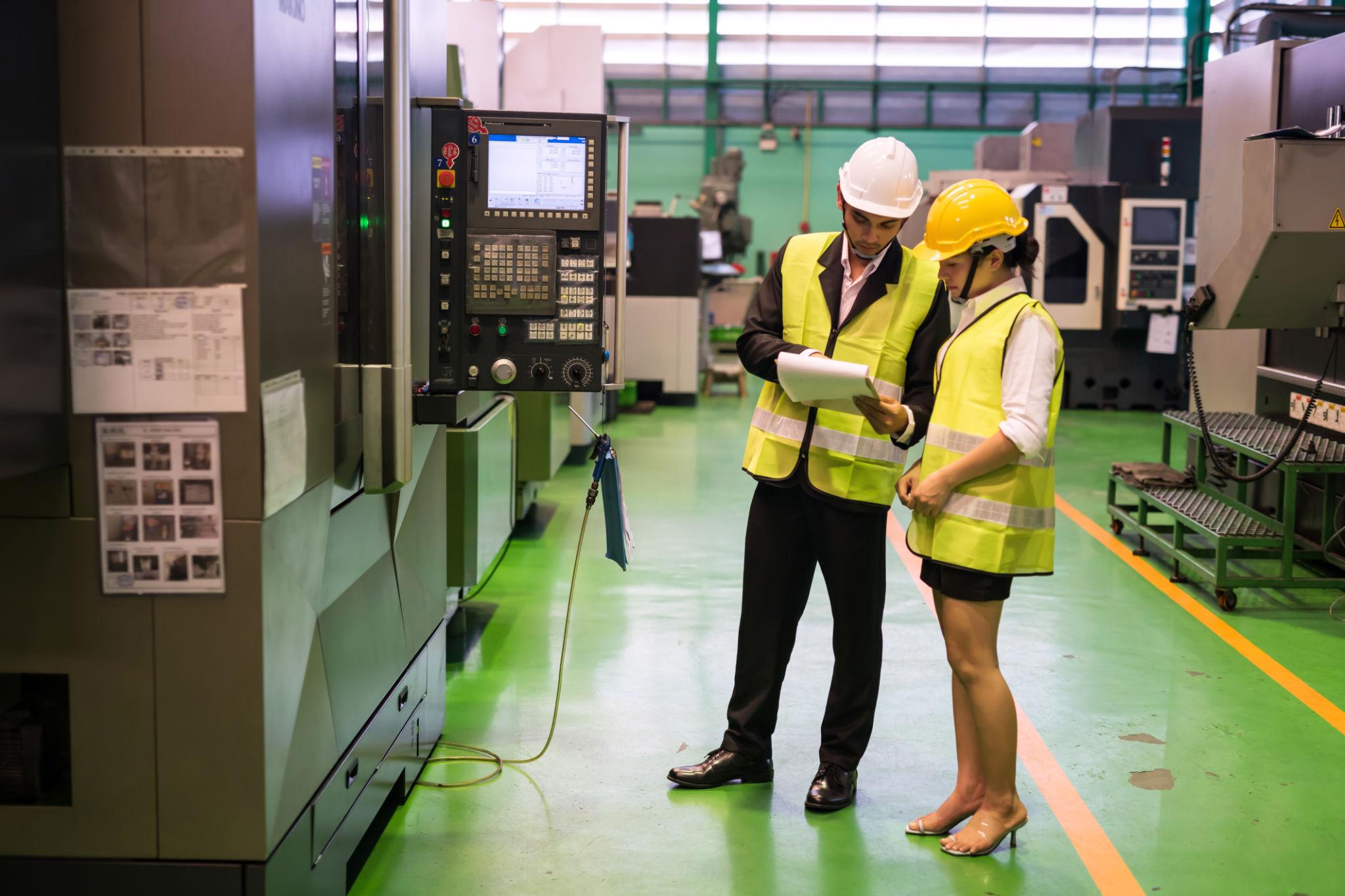
How to Audit a Chinese Factory in China (2026 Procurement & Risk Control Guide)
A $300,000 hotel procurement order can fail before production even starts if you skip a basic supplier check. Releasing a 30% advance deposit based entirely on digital catalogs or glossy showroom samples is a massive risk for any construction timeline. For international developers and real estate investors, physical on-the-ground evaluation is the only way to safeguard your capital. Most procurement failures happen before production even starts due to the lack of proper factory audit and supplier verification.
🚨 A Real Sourcing Failure: Recently, a Caribbean resort developer transferred a $90,000 deposit to a vendor found online without a prior check, plus an additional $40,000 in shipping, remake, and delay-related costs. The vendor claimed to be a direct manufacturer but was actually a small trading office. They quietly moved the order to an unverified family workshop. The items arrived with incorrect dimensions, forcing the developer to repay for a total remake, delaying the project by 60 days and losing massive daily room revenue.
Executing a physical factory check helps avoid these financial disasters. Most buyers only find this problem after paying a deposit. When a commercial project requires high-volume structural production or custom fabrication, you need absolute clarity regarding the vendor’s real capabilities. This means confirming legal compliance, machine capacity, and handling on-site tracking before signing any purchase contract.
Why an On-Site Factory Check in China is Vital for Commercial Buyers
Sourcing building components or furnishing materials from overseas offers incredible scale, but working with unverified vendors introduces unhedged risk to your budget. This is where most sourcing projects fail without warning. The risk is not theoretical — it happens at scale across hotel and construction supply chains every year. This is especially critical for hotel furniture, aluminum systems, and commercial kitchen equipment sourcing from China. When a 120-room hospitality project requires specialized technical items, you cannot rely on written promises. If a supplier faces internal bottleneck issues, they often outsource your order to cheaper local workshops without your knowledge.
This unauthorized setup leads to severe sizing errors, non-compliant safety parameters, and defects that cause immediate container rejection at border customs. Sourcing blind regularly delays structural projects by months. If your main building components are defective, the entire site stops, locking your capital and leaving you exposed to compounding overhead costs.
Factory verification is only one part of the procurement process. See the full China hotel procurement guide covering furniture, aluminum, and kitchen systems.
Factory Audit Checklist (On-Site Verification & Risk Control Framework)
To remove emotional bias from your decisions, procurement managers must evaluate manufacturing facilities against a clear matrix on the ground before wire-transferring funds:
| Assessment Category | CRITICAL PASS CRITERIA | IMMEDIATE FAIL RED FLAGS | Verification Method |
|---|---|---|---|
| Legal Status Check | Active Business License listing “Manufacturing or Processing” with verified capital. | Scope restricted to “Trading, Consulting, or Merchandising” only (Middleman shell). | Government database cross-check |
| Machine Capacity | Active machinery output handles ≥ 150% of your project’s monthly volume targets. | Heavy reliance on manual labor, broken machinery, or clear signs of hidden subcontracting. | On-site inspection + production video verification |
| Testing Capability | High-precision measuring tools, calibration equipment, QC lab available on site. | No testing equipment or visual-only inspection process on the shop floor. | Physical lab check + calibration logs review |
| Quality Setup | Traceable raw material testing logs, clear calibration records, and dedicated QC staff. | No material inspection reports; defect segregation areas are missing from the floor. | On-site component testing tracking |
| Export Track Record | Validated customs bills of lading showing successful history with international builds. | Inability to produce verifiable shipping documents for complex overseas projects. | Customs records review + past contract audit |
Once that audit comes back, knowing how to actually read it matters just as much as ordering it in the first place — see our breakdown on how to read a China factory audit report, including how to spot a forged report and what the score does and doesn’t tell you.
What a Proper China Supplier Verification Checklist Includes
A corporate-grade evaluation cannot be handled via online chats. It requires an experienced inspector to physically walk the factory floor. First, they cross-reference the Chinese Business License (营业执照) against local government databases to confirm the enterprise is legally active and free of commercial fraud records. Understanding this step helps you spot real asset owners; learn more in our guide on how to verify aluminum door suppliers in China.
Second, inspectors check the actual machinery setup. They review basic testing tools and look for third-party laboratory records from recognized bodies like SGS or Intertek to ensure material consistency. Request for live production line video during active manufacturing (not staged recording) to ensure the facility matches your contract criteria. If you are assessing custom manufacturing lines, understanding how automated setups impact your production efficiency is critical; discover the core benefits in our analysis of custom factory solutions and the benefits for efficient production lines.
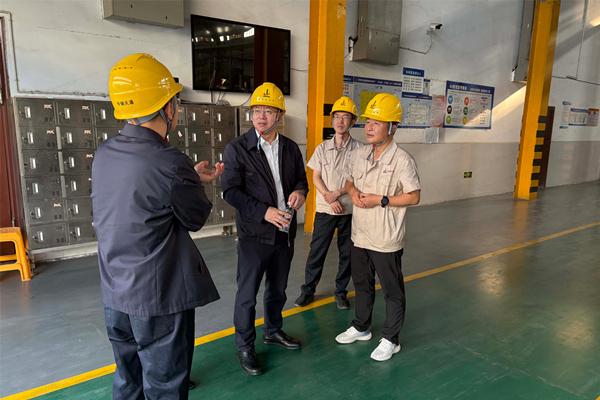
Decision Trigger: When to Walk Away vs. Proceed
In B2B sourcing, running a comprehensive factory transparency check saves more money than aggressive price negotiation. If a potential partner refuses to allow an unannounced live video walkthrough, or bars third-party engineers from checking their raw material warehouse, you should stop negotiations immediately. This hesitation is a clear indicator that the vendor does not own the manufacturing facility and is hiding an unverified supplier network.
Furthermore, do not move forward if the company lacks experience with international technical standards. Sourcing custom architectural products requires deep product-level compliance. For instance, when sourcing heavy window setups, you must look at specific manufacturing benchmarks; see our technical reviews on hotel aluminum doors and windows in China as well as our direct guide on choosing an aluminum windows supplier China for hotels.
If a supplier cannot present verified export shipping documents for past commercial builds, they are highly likely to fail your project specifications. Before releasing funds for high-volume hospitality fits, check your supply options against established track records like our documented hotel furniture projects portfolio.
Should You Trust a Factory Directly or Partner with an Independent Sourcing Specialist?
Many international procurement managers attempt to manage multi-category orders purely via B2B apps. This direct approach introduces massive communication and quality risks.
But first you need to know about China sourcing agent vs direct factory check this out, and then
A factory’s internal sales managers are paid to move volume and maximize factory output; they will not flag line defects, material substitution, or packing issues that endanger your shipment during long maritime transit. Partnering with an independent on-site team provides an essential layer of risk control.
A sourcing agent acts as your physical presence in China during production, not just a translator or broker. A local professional partner protects your interests on the floor—checking material tests, managing during-production quality inspections, and ensuring safe container bracing.
This on-site management is incredibly efficient if you are coordinating multiple construction and furnishing elements at the same time. You can optimize your entire project timeline by analyzing our strategic commercial furniture manufacturers in China complete sourcing guide.
The Real Financial Cost of Omitting a Factory Audit
Saving a small amount by skipping an independent physical audit frequently results in catastrophic financial loss. If an unverified vendor delivers defective or non-compliant structural components across ocean lanes, your initial capital investment is lost. You face complete re-production costs and doubled shipping fees for emergency 20ft or 40ft containers.
The most severe damage stems from project delay penalties and delayed occupancy at the site. In large hotel projects, delays can exceed $5,000–$20,000 per day in lost revenue. For a premium commercial build, delaying your opening by 60 days due to product failures costs thousands of dollars in lost revenue and severe liquidated damages. Managing cross-border freight requires deep systemic compliance; review our master logistics guide on importing from China to understand how supply chain variables multiply your capital risks.
Frequently Asked Questions (FAQ)
What is the biggest mistake buyers make in China sourcing?
Trusting supplier claims without physical verification or third-party inspection. This single oversight often results in severe specification failures, unauthorized subcontracting, and lost deposits.
Is a factory audit required for China sourcing?
Yes. A factory audit is essential for any serious buyer because it stops unauthorized subcontracting, confirms the supplier’s legal operating scope, and prevents major quality failures before you wire any advance deposit.
Can I rely on factory videos instead of visiting?
No. Videos can be staged or recorded in unrelated facilities. Only live verification during production is reliable to confirm the factory asset legitimacy.
How do I know if a factory is real or just a trading company?
A real factory possesses a business license explicitly stating “manufacturing, processing, or assembly” under its operational scope, alongside physical machinery assets. Trading companies show broad wholesale scopes, lack raw material warehouses, and frequently block third-party engineering inspectors from entering the manufacturing lines.
Is a factory audit necessary for small or low-value orders?
While large investments carry higher total liability, small custom orders face identical delay risks. If a low-value components batch is made with non-compliant alloys, it will fail border customs or site installation, stopping the primary assembly line and creating massive overhead costs regardless of initial invoice size.
What documents prove a factory is real in China?
The primary document is the official Chinese Business License (营业执照) with a verifiable 18-digit Unified Social Credit Code. You must cross-reference this code against the National Enterprise Credit Information Publicity System to verify their real corporate structure, registered address, and legal manufacturing scope.
Can Alibaba suppliers be trusted without an independent factory audit?
No. Gold Supplier status or Verified badges on B2B platforms are paid memberships and desk audits. They do not guarantee the supplier owns the factory machinery or that they won’t outsource your commercial order to an unverified workshop once they receive your 30% deposit.
What happens if a Chinese supplier subcontracts my order?
Subcontracting transfers your production to an unverified facility with no quality oversight. This process typically results in severe material defects, profile thickness drops, structural alignment issues, and delayed shipping cycles that compromise your building permit.
How Skyline Shields Your Procurement Capital
Skyline Trading Co., LTD (SKYLTC) operates strictly as your independent, on-the-ground supply chain consultancy, factory verification agent, quality control inspector, and logistics coordinator in China. We do not guarantee factories — we verify them on site. Our sole commercial duty is to shield your investment capital and construction timeline from cross-border procurement failures.
Operating directly out of key industrial clusters like Guangzhou and Foshan, our experienced B2B teams physically enter factory spaces to execute independent checks. We verify machinery setups through on-site inspection and documentation review, verify legal registrations, manage during-production inspections, and supervise container loading to ensure your project specifications are met with absolute precision.
China Procurement Knowledge Hub 2026
This guide is part of the China Procurement Knowledge Hub 2026, a centralized knowledge system and collection of verified sourcing and factory audit resources designed for international buyers managing hotel, construction, and commercial supply chains in China.
Explore related guides to build a complete procurement system and reduce sourcing risks before placing your next order.
Conclusion: The Strategic Procurement Decision
Successful cross-border procurement is built on verified field data, not low-cost promises. Experienced managers do not select vendors based on the lowest initial price quotation; they award contracts based on verified physical capability, legal compliance, and transparent quality control systems.
Protect your development from operational failures and costly project delays. If you are preparing to place an order for building materials in China, secure your investment before releasing your deposit. Contact Skyline Trading Co., LTD today to deploy our professional factory audit teams and safeguard your project timeline.