
Hotel OS&E Procurement Guide (2026): Cost Breakdown, Waste Analysis, and Procurement Strategy for Hotels
Hotel OS&E budgets for 100-room properties typically range from $180K to $720K — and is often underestimated because it is consumed, replenished, and operationally managed on a continuous cycle rather than a one-time capital purchase.
This guide is designed for hotel developers, procurement managers, and investors evaluating pre-opening operational budgets. It breaks down real-world hotel OS&E cost per room, category-by-category pricing, and procurement timelines — based on aggregated procurement data and budget breakdowns from 30+ hotel pre-opening projects (2023–2026) across the Middle East, Europe, and Southeast Asia.
What is Hotel OS&E?
OS&E (Operating Supplies & Equipment) refers to all non-fixed, consumable items required for hotel operations — including linens, amenities, tableware, cleaning supplies, in-room equipment, uniforms, and guest collateral. Unlike FF&E (furniture, fixtures, equipment), OS&E items are replaced regularly and treated as operating expenditure, not capital investment.
In simple terms: FF&E is what guests see and touch permanently. OS&E is what guests use, consume, or take — and what housekeeping replaces between stays.
Key Takeaways for Hotel Developers
- OS&E typically accounts for 12–18% of the combined FF&E + OS&E budget, depending on service level and brand standards
- China sourcing saves 15–30% on linens, tableware, and amenities at scale
- Biggest cost leak: Replenishment planning — hotels waste 18–25% without an annual forecast
- Average overrun: 14.5% on pre-opening OS&E budgets (based on 30+ projects)
- Lead time from China: 4–10 weeks production + 2–4 weeks freight
Who This Guide Is For
- Hotel owners separating FF&E and OS&E budgets for the first time
- Procurement managers building OS&E specification sheets for pre-opening
- Asset owners validating total operating cost projections
- Investors evaluating hotel feasibility studies
OS&E Lifecycle Flow
Understanding the full procurement cycle helps you identify where costs escalate and where delays occur:
Budget Planning → Specification Development → Supplier Selection → Sampling & Testing → Purchase Orders → Production & QC → Shipping & Customs → Receiving & Storage → Distribution → Replenishment Planning
Most budget overruns happen at three stages: Specification (brand requirements arrive late), Shipping (freight volatility), and Replenishment (no annual forecast). Planning for these stages upfront can eliminate 18–25% in avoidable procurement waste.
OS&E vs FF&E vs Operating Costs
A simplified view of how these three cost categories relate:
| Category | What It Covers | Asset Life | Budget Type |
|---|---|---|---|
| OS&E | Linens, amenities, tableware, cleaning supplies | 1–3 years | Operating (OpEx) |
| FF&E | Furniture, fixtures, and fixed lighting systems (non-consumable capital items) | 7–10 years | Capital (CapEx) |
| Operating Costs | Utilities, labor, maintenance, marketing | Ongoing | Operating (OpEx) |
100-Room Hotel OS&E Cost Snapshot (2026)
| Metric | Select-Service | Full-Service | Luxury Boutique |
|---|---|---|---|
| Total OS&E Budget | $180,000 | $420,000 | $720,000 |
| Per Room | $1,800 | $4,200 | $7,200 |
| Per m² | $50–$65 | $110–$140 | $195–$240 |
| Replenishment Cycle | 12–18 months | 12–18 months | 6–12 months |
Per m² varies based on room layout and operational model. All figures exclude FF&E, kitchen equipment, and linen replacement reserves. Data methodology: derived from real procurement budgets across 30+ pre-opening hotel projects (2023–2026), cross-checked against supplier quotations and final cost sheets.
Where Hotel OS&E Budgets Actually Go
Across real 100-room hotel pre-opening budgets, guestroom supplies represent the largest share — but back-of-house and public area OS&E often gets underestimated during early budgeting.
| Category | % of Total | Covers | Risk |
|---|---|---|---|
| Guestroom Linens & Terry | 28% | Sheets, duvets, towels, bathrobes | Medium |
| Amenities & Toiletries | 18% | Shampoo, soap, slippers, kits | High |
| F&B Tableware & Utensils | 16% | Crockery, cutlery, glassware, buffet items | Medium |
| Cleaning & Housekeeping | 14% | Carts, chemicals, vacuum systems | Low |
| Back-of-House | 12% | Uniforms, office supplies, storage systems | Low |
| In-Room Technology | 7% | Safes, kettles, hair dryers, irons | Medium |
| Guest Engagement | 5% | Directories, signage, collateral | Low |
How Hotels Actually Waste 18–25% of Their OS&E Budget
This analysis is based on budget variance tracking across 30+ pre-opening hotel projects. The waste isn’t dramatic — it’s incremental, and it compounds across every procurement cycle.
1. Over-Ordering Linens
Hotels order 3x par level for a 100-room property — then discover they only need 2x par after the first 6 months. Excess linens sit in storage, deteriorate, and get replaced anyway. One 120-room resort we tracked ordered 1,200 extra sheet sets ($36,000) that were never used.
2. Brand Compliance Upgrades
Brand specification sheets arrive after the OS&E budget is locked. Mandatory amenity brands, linen thread counts, and packaging requirements add 20–35% above generic alternatives. On a $420K hospitality OS&E sourcing budget, that’s $84K–$147K in unplanned costs — the same compliance pressure owners face during a Property Improvement Plan (PIP).
3. Freight Inefficiency
Multiple small shipments instead of consolidated containers. A hotel procurement from China project we analyzed shipped 8 separate small orders instead of 2 consolidated containers — adding $12,000 in unnecessary freight costs.
4. Sample Waste
Unlimited sample requests without a testing protocol. One project requested 47 different linen samples ($8,500) before approving a single supplier. A structured sample-to-approval process cuts this by 60%.
5. No Replenishment Forecasting
Without an annual replacement schedule, hotels buy reactively — paying rush premiums of 25–40% above planned procurement costs. A China sourcing project with 6-month advance planning saved $18,000 on a $90,000 linen budget by avoiding rush procurement premiums.
Want an OS&E budget estimate based on your hotel type? Get a project-specific OS&E cost model tailored to your hotel size, brand standards, and operational model.
The 5 OS&E Cost Drivers
These apply to both new builds and pre-opening procurement. Understanding them prevents the 18–25% waste pattern described above.
- Brand standards: Marriott, Hilton, and IHG mandate specific amenity brands and linen specifications — typically 20–35% above generic alternatives.
- Guest profile: Business travelers need different supplies than leisure guests. Suite-heavy properties require more per-room allocation.
- Destination sourcing: Local procurement vs. China factory-direct sourcing can create 15–30% cost variation on bulk items like linens and tableware.
- Operational model: All-inclusive resorts consume 2–3x more amenities per occupied room than select-service hotels.
- Replenishment frequency: Luxury properties replace linens every 6–12 months. Mid-scale every 12–18 months. This compounds significantly over 5 years.
What Wrong OS&E Procurement Actually Costs
The financial risk isn’t just overspending — it’s delayed openings, brand rejections, and operational failures that compound over the first 12 months.
Delayed Opening Impact
Missing OS&E delays hotel opening. Every day of delay costs $15,000–$50,000 in lost revenue for a 100-room property (based on $150–$500 ADR × 60% occupancy). One project we tracked delayed 3 weeks due to linen supply issues — $315,000 in lost revenue.
Brand Rejection Costs
Brands reject properties that don’t meet OS&E specification sheets. Remediation requires re-sourcing, re-testing, and re-shipping — typically $25,000–$75,000 per incident, plus 4–8 weeks of delay. Always confirm brand requirements before locking the pre-opening procurement budget.
Supplier Mismatch Risk
Choosing the wrong supplier — wrong quality tier, wrong MOQ, wrong lead time — creates cascading problems. Linens that pill after 50 washes. Amenities that leak in transit. Tableware that chips on first use. The cost of replacing a bad batch mid-operation is 3–5x the cost of proper supplier verification upfront.
Per-Room Pricing by Tier
Per-room OS&E cost breakdown based on a standardized 100-room hotel operating model:
Select-Service: $1,800 per room
Essential supplies only. Linens: $600. Amenities: $350. Cleaning & housekeeping: $300. In-room tech: $250. Back-of-house: $200. Signage & collateral: $100.
Full-Service: $4,200 per room
Extended supply range with F&B integration. Linens: $1,100. Amenities: $800. Tableware: $700. Cleaning: $500. In-room tech: $450. Back-of-house: $400. Signage: $250.
Luxury Boutique: $7,200 per room
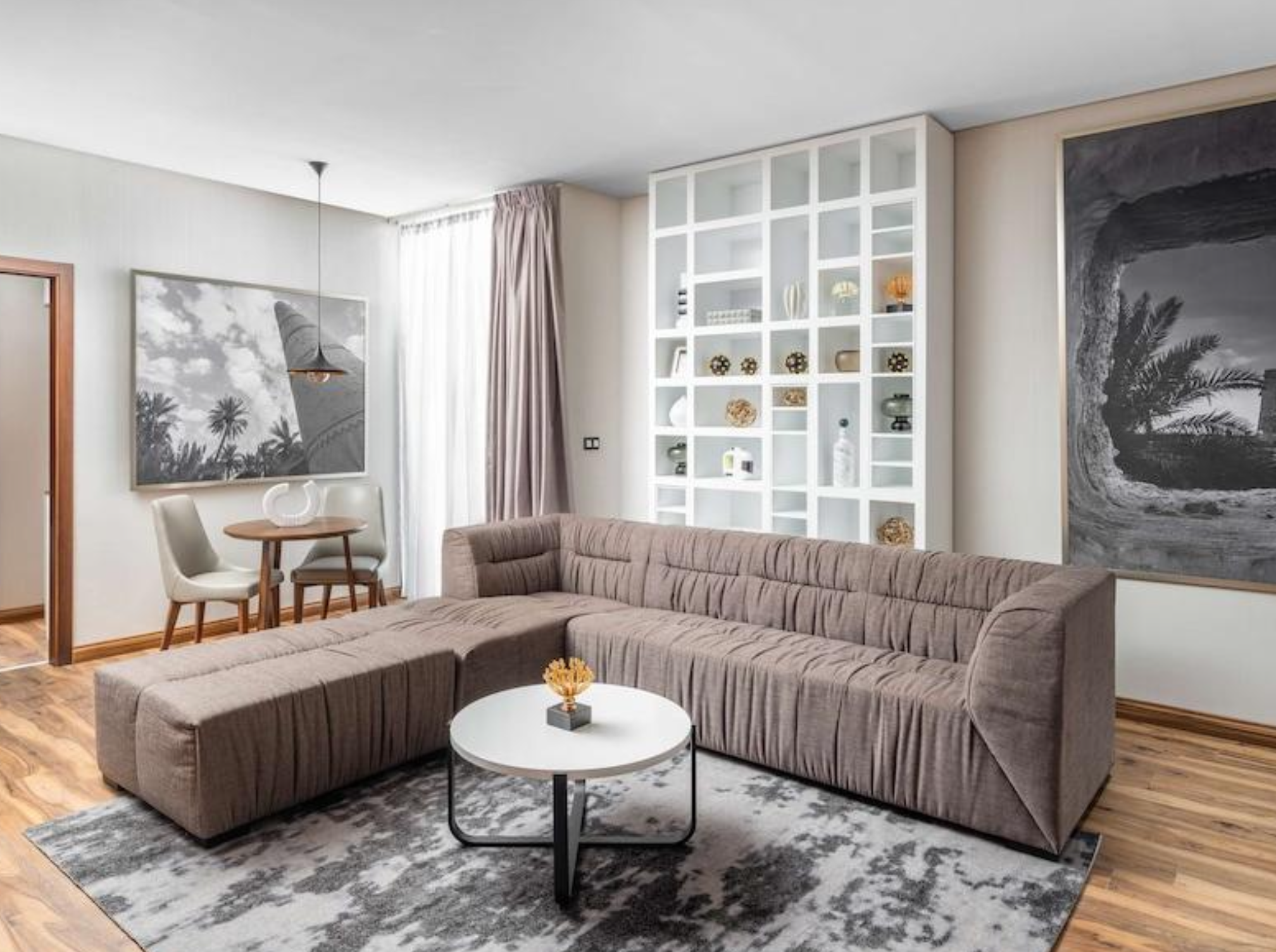
Premium specifications across all categories. Linens: $1,800. Amenities: $1,500. Tableware: $1,200. Cleaning: $800. In-room tech: $900. Back-of-house: $600. Signage: $400.
All prices excluding VAT and import duties. Final cost varies ±10–20% depending on brand requirements and destination market.
China vs Local Procurement
The biggest decision affecting your hotel supply chain planning. Here’s the comparison:
| Factor | China Factory-Direct Sourcing | Local / Regional |
|---|---|---|
| 100-Room Cost | $150K–$500K | $200K–$720K (+15–30%) |
| Lead Time | 4–8 weeks | 1–2 weeks |
| MOQ | 500–2,000 pcs | 50–200 pcs |
| Customization | Branding, packaging | Limited |
| Best For | Bulk orders, rebranding | Urgent needs, small runs |
The 15–30% premium for local sourcing is real — but so are the risks of importing without proper supplier verification. For linens, tableware, and amenities, China factory-direct sourcing is almost always more cost-effective at scale.