
معدات المطاعم والمطابخ التجارية
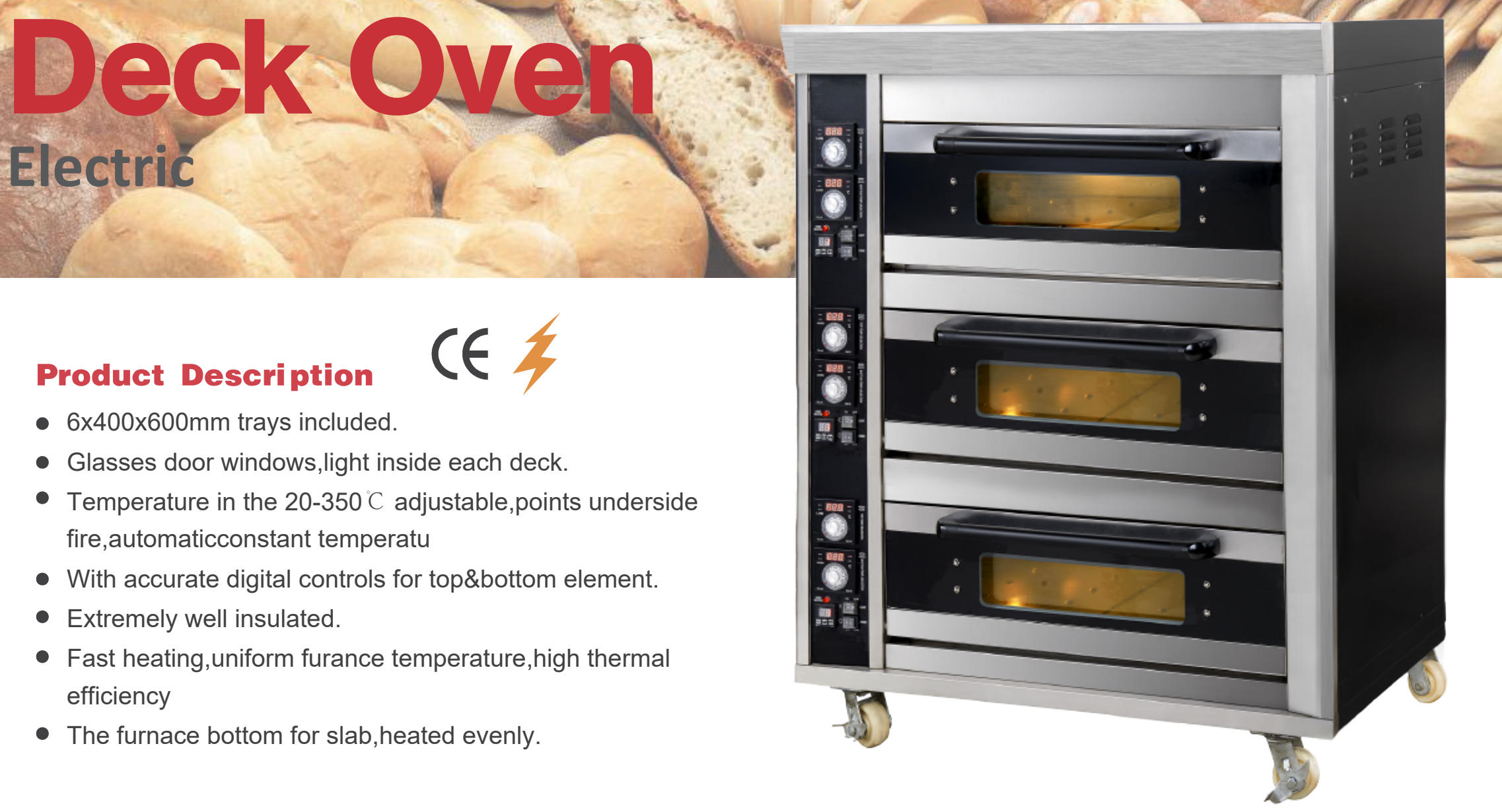
  • Menu Parameters: Your specific culinary offerings directly dictate specialized hardware configurations. For example, high-volume fried options require heavy-duty pressure fryers, whereas artisan baking operations require modular deck ovens with integrated steam injection.
  • Spatial Layout Limitations: Total physical workspace dimensions and hood line footprints restrict equipment sizing. Tight spatial layouts require multi-functional or vertical footprints, such as combination oven-steamers, to save valuable floor space.
  • Peak Cover Volumes: Intended hourly production volumes dictate the required capacity of your appliances. High-occupancy commercial properties require automated, continuous-feed processing gear and heavy-duty line setups to manage heavy workloads without service delays.

Accounting for these technical metrics ensures your commercial facility is outfitted with the correct class of **restaurant kitchen equipment**, maximizing daily productivity, eliminating unnecessary overheads, and raising guest satisfaction scores.

Commercial Food Service Prep Zone Optimization

Selecting factory-matched machinery directly drives back-of-house throughput and scales up overall business margins. By translating menu requirements into exact equipment capacities and sourcing certified commercial supplies, operators can build high-performance kitchens that excel under demanding commercial conditions.

Equipment ClassTechnical Engineering ScopePrimary Operational Benefits
Heavy-Duty Kitchen EquipmentHigh-throughput thermal and processing systems designed for constant, 24/7 commercial utility.Maximized output speeds, minimized mechanical downtime, reduced long-term labor costs.
Commercial Kitchen SuppliesEssential operational smallwares, preparation utensils, and food safety storage systems.Standardized kitchen processing, mitigated raw ingredient waste, streamlined sanitation.
Restaurant Kitchen EquipmentAppliance packages tailored to specific restaurant concepts, spatial designs, and menu configurations.Optimized workspace ergonomics, uniform food preparation quality, faster plating speeds.

Engineering Selection Criteria: Space and Capacity

Procuring commercial food service assets requires a careful balance between spatial limitations and volume requirements. Sourcing high-end machinery must always be guided by the exact layout constraints of the facility, which vary considerably between high-capacity resort kitchens, boutique restaurants, and specialized cloud kitchens.

Physical Space Constraints: Accurate physical measurements of the kitchen floor plan and overhead ventilation hoods are non-negotiable. Equipment layouts must maintain wide, unobstructed lanes for staff movement, creating an ergonomic flow from the prep zone to the hot line, plating pass, and warewashing stations.

Volume Capacity Demands: Operators must compute maximum batch requirements during peak rushes. Calculating expected hourly orders prevents undersizing kitchen equipment, which causes service bottlenecks, or oversizing units, which leads to unnecessary utility costs and lost kitchen floor space.

Modern Commercial Kitchen Solutions for Enhanced Efficiency

Integrating modern, automated machinery into back-of-house operations significantly optimizes daily labor utility. Utilizing high-efficiency **commercial ovens** and computerized *industrial cooking machines* allows high-volume establishments to automate routine thermal profiles, freeing up culinary teams to focus on assembly, presentation, and food safety controls.

Advanced EquipmentPrimary Operational ImpactKey Technical Features
Commercial Ovens (Combi)Combines dry convection heat and precision steam injection to slash cooking times by 30-40%.Programmable multi-stage menu profiles, automated self-cleaning cycles, digital core probes.
Industrial Cooking MachinesStreamlines heavy bulk-cooking processes while reducing direct culinary labor requirements.High-speed pressure braising, computerized thermal consistency, motorized tilting mechanisms.
Automated Prep InfrastructureDelivers identical cuts across high volumes, eliminating structural ingredient waste.Interchangeable laser-sharpened cutting heads, heavy micro-switch safety arrays.

Energy-Efficient Equipment Options

Deploying **energy-efficient kitchen equipment** directly lowers utility costs and supports eco-friendly hospitality practices. Incorporating high-efficiency motors, advanced polyurethane cabinet insulation, variable-speed ventilation hoods, and targeted LED lighting reduces energy demands and significantly drops annual facility operating costs.

System ConfigurationAverage Energy ReductionEstimated Initial Capital OutlayProjected ROI Payback Period
High-Efficiency Inverter Refrigeration20% – 30% Savings$5,000 – $10,0002 – 5 Years
Smart LED & Variable Hood Controls50% – 70% Savings$1,000 – $3,0001 – 3 Years

Professional Kitchen Equipment Installation Guidelines

Installing heavy-duty **commercial food preparation equipment** requires a certified, professional technician. Proper mechanical hookups ensure your equipment complies with local building codes, safety rules, and manufacturer warranties. This is especially vital for custom-built, multi-functional cooking arrays that require specialized gas calibration, electrical single-point connections, and custom water filtration networks.

Equipment ClassificationCritical Mechanical Installation Parameters
Commercial Food Prep EquipmentDedicated overhead exhaust ventilation balancing, precise electrical phases, and pressure-regulated water links.
Custom Integrated Kitchen SuitesRigid structural floor anchoring, customized utility chase alignment, and staff operational safety onboarding.

Maintaining Your Commercial Kitchen Equipment

Enforcing a strict, preventative maintenance schedule is essential to extend the lifespan of your commercial food service machinery. Consistent cleaning intervals eliminate catastrophic breakdown risks, prevent cross-contamination, and guarantee a safe working environment for your team.

Daily Maintenance Routines

  • Thoroughly scrub and sanitize all food-contact surfaces, equipment gaskets, and line components at closing.
  • Inspect all mechanical lines, gas pilot assemblies, and cold-chain temperature logs for structural anomalies.
  • Execute standard daily burn-offs for ovens and clean fat-separating filter screens on deep fryers.
Asset ClassMandatory Preventative Maintenance ActionRequired Execution Frequency
Heavy Commercial OvensDe-scaling internal steam generation elements and testing door seals.Daily Deep Clean
Industrial Refrigeration UnitsChemical cleaning of condenser coils and verifying refrigerant charge.Weekly Inspection
Commercial WarewashersClearing wash-arm jet nozzles and checking chemical injection levels.Daily Check

Safety Considerations for Industrial Kitchen Equipment

Maintaining strict *commercial kitchen safety* standards is non-negotiable when operating high-output industrial machinery. Staff face daily hazards including thermal burns, deep lacerations, high-voltage electrical shocks, and slips. Enforcing clear *kitchen equipment safety guidelines*—such as mandatory safety guards, two-step activation systems, and proper lockout/tagout procedures—substantially cuts workplace injury risks and keeps operations running smoothly.

Technology Integration in Modern Kitchen Equipment

The hospitality sector is rapidly evolving, making **commercial kitchen technology** a core requirement for modern restaurants. Implementing **smart kitchen equipment** featuring automated temperature logging, IoT remote diagnostic links, and programmable recipe clouds allows culinary teams to focus on artful execution and customer service rather than manual data entry.

Financing Options for Commercial Kitchen Equipment

Outfitting an industrial food service facility requires a substantial upfront capital commitment. To preserve operational cash flow, developers can look into competitive **commercial kitchen equipment financing**, long-term capital leases, or dedicated commercial equipment loans. Choosing between leasing and buying requires a careful review of upfront liquidity, long-term asset value, equipment depreciation rates, and available tax deductions under Section 179 asset write-offs.

Conclusion: Maximizing Your Kitchen Equipment Investment

Procuring specialized, factory-direct commercial kitchen equipment is a major driver of long-term restaurant profitability. Investing in energy-efficient, tech-driven machinery significantly cuts operating costs, stabilizes food quality, and delivers an excellent return on investment. Partnering with a reliable sourcing company ensures your kitchen assets are precisely configured to handle heavy workloads, setting your culinary business up for years of profitable, efficient growth.

Frequently Asked Questions

What are the essential components of commercial kitchen equipment?

A complete commercial kitchen setup requires heavy thermal cooking arrays (ovens, ranges, fryers), automated processing food preparation machinery, and digitally monitored refrigeration cold-chains to ensure optimal, safe food production workflows.

How do I properly calculate my restaurant kitchen’s equipment capacity requirements?

Capacity requirements are calculated by balancing your peak seat cover volume, menu item complexity, processing times, and available layout space. This analysis ensures you procure equipment capable of handling peak demands without suffering line bottlenecks.

What financial advantages do energy-efficient kitchen appliances offer?

Energy-efficient kitchen equipment featuring high-grade insulation and variable-speed inverter motors can slash average utility power usage by 20% to 50%, enabling high-volume commercial properties to recover their initial capital investment within 1 to 5 years.

  • Commercial Ovens: High-capacity combination, convection, and conveyor ovens configured for rapid baking, roasting, and precise humidity control.
  • Industrial Ranges & Stoves: High-BTU gas burner arrays or high-efficiency induction hobs engineered for rapid boiling, intense sautéing, and continuous stock cooking.
  • High-Recovery Open Fryers: Deep fryers utilizing advanced sediment filtration zones to optimize oil lifespan and ensure rapid thermal recovery during peak rushes.
Heavy-Duty Commercial Thermal Cooking Line

Industrial Storage and Refrigeration Cold-Chains

Enforcing strict HACCP food safety compliance relies on robust, digitally monitored refrigeration networks. This infrastructure mandates the installation of heavy polyurethane insulated walk-in coolers, reach-in line refrigerators, and heavy-duty, corrosion-proof wire shelving arrays optimized for balanced, unrestricted airflow.

Analyzing Your Facility’s Equipment Workload Needs

To establish a highly productive workflow, project managers must carefully evaluate structural and operational parameters before procurement. Engineers must cross-reference available spatial square footage, kitchen layout geometry, utility access points, menu complexity, and peak seat cover metrics. This technical analysis dictates the configuration of **restaurant kitchen equipment**, **heavy-duty kitchen equipment**, and specialized **commercial kitchen supplies** needed for the project.

When mapping out your project specifications, ensure your engineering team reviews these primary variables:

  • Menu Parameters: Your specific culinary offerings directly dictate specialized hardware configurations. For example, high-volume fried options require heavy-duty pressure fryers, whereas artisan baking operations require modular deck ovens with integrated steam injection.
  • Spatial Layout Limitations: Total physical workspace dimensions and hood line footprints restrict equipment sizing. Tight spatial layouts require multi-functional or vertical footprints, such as combination oven-steamers, to save valuable floor space.
  • Peak Cover Volumes: Intended hourly production volumes dictate the required capacity of your appliances. High-occupancy commercial properties require automated, continuous-feed processing gear and heavy-duty line setups to manage heavy workloads without service delays.

Accounting for these technical metrics ensures your commercial facility is outfitted with the correct class of **restaurant kitchen equipment**, maximizing daily productivity, eliminating unnecessary overheads, and raising guest satisfaction scores.

Commercial Food Service Prep Zone Optimization

Selecting factory-matched machinery directly drives back-of-house throughput and scales up overall business margins. By translating menu requirements into exact equipment capacities and sourcing certified commercial supplies, operators can build high-performance kitchens that excel under demanding commercial conditions.

Equipment ClassTechnical Engineering ScopePrimary Operational Benefits
Heavy-Duty Kitchen EquipmentHigh-throughput thermal and processing systems designed for constant, 24/7 commercial utility.Maximized output speeds, minimized mechanical downtime, reduced long-term labor costs.
Commercial Kitchen SuppliesEssential operational smallwares, preparation utensils, and food safety storage systems.Standardized kitchen processing, mitigated raw ingredient waste, streamlined sanitation.
Restaurant Kitchen EquipmentAppliance packages tailored to specific restaurant concepts, spatial designs, and menu configurations.Optimized workspace ergonomics, uniform food preparation quality, faster plating speeds.

Engineering Selection Criteria: Space and Capacity

Procuring commercial food service assets requires a careful balance between spatial limitations and volume requirements. Sourcing high-end machinery must always be guided by the exact layout constraints of the facility, which vary considerably between high-capacity resort kitchens, boutique restaurants, and specialized cloud kitchens.

Physical Space Constraints: Accurate physical measurements of the kitchen floor plan and overhead ventilation hoods are non-negotiable. Equipment layouts must maintain wide, unobstructed lanes for staff movement, creating an ergonomic flow from the prep zone to the hot line, plating pass, and warewashing stations.

Volume Capacity Demands: Operators must compute maximum batch requirements during peak rushes. Calculating expected hourly orders prevents undersizing kitchen equipment, which causes service bottlenecks, or oversizing units, which leads to unnecessary utility costs and lost kitchen floor space.

Modern Commercial Kitchen Solutions for Enhanced Efficiency

Integrating modern, automated machinery into back-of-house operations significantly optimizes daily labor utility. Utilizing high-efficiency **commercial ovens** and computerized *industrial cooking machines* allows high-volume establishments to automate routine thermal profiles, freeing up culinary teams to focus on assembly, presentation, and food safety controls.

Advanced EquipmentPrimary Operational ImpactKey Technical Features
Commercial Ovens (Combi)Combines dry convection heat and precision steam injection to slash cooking times by 30-40%.Programmable multi-stage menu profiles, automated self-cleaning cycles, digital core probes.
Industrial Cooking MachinesStreamlines heavy bulk-cooking processes while reducing direct culinary labor requirements.High-speed pressure braising, computerized thermal consistency, motorized tilting mechanisms.
Automated Prep InfrastructureDelivers identical cuts across high volumes, eliminating structural ingredient waste.Interchangeable laser-sharpened cutting heads, heavy micro-switch safety arrays.

Energy-Efficient Equipment Options

Deploying **energy-efficient kitchen equipment** directly lowers utility costs and supports eco-friendly hospitality practices. Incorporating high-efficiency motors, advanced polyurethane cabinet insulation, variable-speed ventilation hoods, and targeted LED lighting reduces energy demands and significantly drops annual facility operating costs.

System ConfigurationAverage Energy ReductionEstimated Initial Capital OutlayProjected ROI Payback Period
High-Efficiency Inverter Refrigeration20% – 30% Savings$5,000 – $10,0002 – 5 Years
Smart LED & Variable Hood Controls50% – 70% Savings$1,000 – $3,0001 – 3 Years

Professional Kitchen Equipment Installation Guidelines

Installing heavy-duty **commercial food preparation equipment** requires a certified, professional technician. Proper mechanical hookups ensure your equipment complies with local building codes, safety rules, and manufacturer warranties. This is especially vital for custom-built, multi-functional cooking arrays that require specialized gas calibration, electrical single-point connections, and custom water filtration networks.

Equipment ClassificationCritical Mechanical Installation Parameters
Commercial Food Prep EquipmentDedicated overhead exhaust ventilation balancing, precise electrical phases, and pressure-regulated water links.
Custom Integrated Kitchen SuitesRigid structural floor anchoring, customized utility chase alignment, and staff operational safety onboarding.

Maintaining Your Commercial Kitchen Equipment

Enforcing a strict, preventative maintenance schedule is essential to extend the lifespan of your commercial food service machinery. Consistent cleaning intervals eliminate catastrophic breakdown risks, prevent cross-contamination, and guarantee a safe working environment for your team.

Daily Maintenance Routines

  • Thoroughly scrub and sanitize all food-contact surfaces, equipment gaskets, and line components at closing.
  • Inspect all mechanical lines, gas pilot assemblies, and cold-chain temperature logs for structural anomalies.
  • Execute standard daily burn-offs for ovens and clean fat-separating filter screens on deep fryers.
Asset ClassMandatory Preventative Maintenance ActionRequired Execution Frequency
Heavy Commercial OvensDe-scaling internal steam generation elements and testing door seals.Daily Deep Clean
Industrial Refrigeration UnitsChemical cleaning of condenser coils and verifying refrigerant charge.Weekly Inspection
Commercial WarewashersClearing wash-arm jet nozzles and checking chemical injection levels.Daily Check

Safety Considerations for Industrial Kitchen Equipment

Maintaining strict *commercial kitchen safety* standards is non-negotiable when operating high-output industrial machinery. Staff face daily hazards including thermal burns, deep lacerations, high-voltage electrical shocks, and slips. Enforcing clear *kitchen equipment safety guidelines*—such as mandatory safety guards, two-step activation systems, and proper lockout/tagout procedures—substantially cuts workplace injury risks and keeps operations running smoothly.

Technology Integration in Modern Kitchen Equipment

The hospitality sector is rapidly evolving, making **commercial kitchen technology** a core requirement for modern restaurants. Implementing **smart kitchen equipment** featuring automated temperature logging, IoT remote diagnostic links, and programmable recipe clouds allows culinary teams to focus on artful execution and customer service rather than manual data entry.

Financing Options for Commercial Kitchen Equipment

Outfitting an industrial food service facility requires a substantial upfront capital commitment. To preserve operational cash flow, developers can look into competitive **commercial kitchen equipment financing**, long-term capital leases, or dedicated commercial equipment loans. Choosing between leasing and buying requires a careful review of upfront liquidity, long-term asset value, equipment depreciation rates, and available tax deductions under Section 179 asset write-offs.

Conclusion: Maximizing Your Kitchen Equipment Investment

Procuring specialized, factory-direct commercial kitchen equipment is a major driver of long-term restaurant profitability. Investing in energy-efficient, tech-driven machinery significantly cuts operating costs, stabilizes food quality, and delivers an excellent return on investment. Partnering with a reliable sourcing company ensures your kitchen assets are precisely configured to handle heavy workloads, setting your culinary business up for years of profitable, efficient growth.

Frequently Asked Questions

What are the essential components of commercial kitchen equipment?

A complete commercial kitchen setup requires heavy thermal cooking arrays (ovens, ranges, fryers), automated processing food preparation machinery, and digitally monitored refrigeration cold-chains to ensure optimal, safe food production workflows.

How do I properly calculate my restaurant kitchen’s equipment capacity requirements?

Capacity requirements are calculated by balancing your peak seat cover volume, menu item complexity, processing times, and available layout space. This analysis ensures you procure equipment capable of handling peak demands without suffering line bottlenecks.

What financial advantages do energy-efficient kitchen appliances offer?

Energy-efficient kitchen equipment featuring high-grade insulation and variable-speed inverter motors can slash average utility power usage by 20% to 50%, enabling high-volume commercial properties to recover their initial capital investment within 1 to 5 years.

  • Commercial Mixers: Heavy planetary and spiral systems engineered for high-elasticity dough handling, dense batters, and emulsifications.
  • Industrial Slicers: Precision gear-driven systems designed for consistent, micro-measured portioning of proteins, cheeses, and dense vegetables.
  • Automated Dicers & Processors: High-volume culinary cutters built to deliver uniform geometric cuts, reducing manual prep labor by up to 70%.

Advanced Heavy-Duty Cooking Equipment

The cooking line operates as the primary engine of the commercial food service facility, requiring absolute thermal reliability:

  • Commercial Ovens: High-capacity combination, convection, and conveyor ovens configured for rapid baking, roasting, and precise humidity control.
  • Industrial Ranges & Stoves: High-BTU gas burner arrays or high-efficiency induction hobs engineered for rapid boiling, intense sautéing, and continuous stock cooking.
  • High-Recovery Open Fryers: Deep fryers utilizing advanced sediment filtration zones to optimize oil lifespan and ensure rapid thermal recovery during peak rushes.
Heavy-Duty Commercial Thermal Cooking Line

Industrial Storage and Refrigeration Cold-Chains

Enforcing strict HACCP food safety compliance relies on robust, digitally monitored refrigeration networks. This infrastructure mandates the installation of heavy polyurethane insulated walk-in coolers, reach-in line refrigerators, and heavy-duty, corrosion-proof wire shelving arrays optimized for balanced, unrestricted airflow.

Analyzing Your Facility’s Equipment Workload Needs

To establish a highly productive workflow, project managers must carefully evaluate structural and operational parameters before procurement. Engineers must cross-reference available spatial square footage, kitchen layout geometry, utility access points, menu complexity, and peak seat cover metrics. This technical analysis dictates the configuration of **restaurant kitchen equipment**, **heavy-duty kitchen equipment**, and specialized **commercial kitchen supplies** needed for the project.

When mapping out your project specifications, ensure your engineering team reviews these primary variables:

  • Menu Parameters: Your specific culinary offerings directly dictate specialized hardware configurations. For example, high-volume fried options require heavy-duty pressure fryers, whereas artisan baking operations require modular deck ovens with integrated steam injection.
  • Spatial Layout Limitations: Total physical workspace dimensions and hood line footprints restrict equipment sizing. Tight spatial layouts require multi-functional or vertical footprints, such as combination oven-steamers, to save valuable floor space.
  • Peak Cover Volumes: Intended hourly production volumes dictate the required capacity of your appliances. High-occupancy commercial properties require automated, continuous-feed processing gear and heavy-duty line setups to manage heavy workloads without service delays.

Accounting for these technical metrics ensures your commercial facility is outfitted with the correct class of **restaurant kitchen equipment**, maximizing daily productivity, eliminating unnecessary overheads, and raising guest satisfaction scores.

Commercial Food Service Prep Zone Optimization

Selecting factory-matched machinery directly drives back-of-house throughput and scales up overall business margins. By translating menu requirements into exact equipment capacities and sourcing certified commercial supplies, operators can build high-performance kitchens that excel under demanding commercial conditions.

Equipment ClassTechnical Engineering ScopePrimary Operational Benefits
Heavy-Duty Kitchen EquipmentHigh-throughput thermal and processing systems designed for constant, 24/7 commercial utility.Maximized output speeds, minimized mechanical downtime, reduced long-term labor costs.
Commercial Kitchen SuppliesEssential operational smallwares, preparation utensils, and food safety storage systems.Standardized kitchen processing, mitigated raw ingredient waste, streamlined sanitation.
Restaurant Kitchen EquipmentAppliance packages tailored to specific restaurant concepts, spatial designs, and menu configurations.Optimized workspace ergonomics, uniform food preparation quality, faster plating speeds.

Engineering Selection Criteria: Space and Capacity

Procuring commercial food service assets requires a careful balance between spatial limitations and volume requirements. Sourcing high-end machinery must always be guided by the exact layout constraints of the facility, which vary considerably between high-capacity resort kitchens, boutique restaurants, and specialized cloud kitchens.

Physical Space Constraints: Accurate physical measurements of the kitchen floor plan and overhead ventilation hoods are non-negotiable. Equipment layouts must maintain wide, unobstructed lanes for staff movement, creating an ergonomic flow from the prep zone to the hot line, plating pass, and warewashing stations.

Volume Capacity Demands: Operators must compute maximum batch requirements during peak rushes. Calculating expected hourly orders prevents undersizing kitchen equipment, which causes service bottlenecks, or oversizing units, which leads to unnecessary utility costs and lost kitchen floor space.

Modern Commercial Kitchen Solutions for Enhanced Efficiency

Integrating modern, automated machinery into back-of-house operations significantly optimizes daily labor utility. Utilizing high-efficiency **commercial ovens** and computerized *industrial cooking machines* allows high-volume establishments to automate routine thermal profiles, freeing up culinary teams to focus on assembly, presentation, and food safety controls.

Advanced EquipmentPrimary Operational ImpactKey Technical Features
Commercial Ovens (Combi)Combines dry convection heat and precision steam injection to slash cooking times by 30-40%.Programmable multi-stage menu profiles, automated self-cleaning cycles, digital core probes.
Industrial Cooking MachinesStreamlines heavy bulk-cooking processes while reducing direct culinary labor requirements.High-speed pressure braising, computerized thermal consistency, motorized tilting mechanisms.
Automated Prep InfrastructureDelivers identical cuts across high volumes, eliminating structural ingredient waste.Interchangeable laser-sharpened cutting heads, heavy micro-switch safety arrays.

Energy-Efficient Equipment Options

Deploying **energy-efficient kitchen equipment** directly lowers utility costs and supports eco-friendly hospitality practices. Incorporating high-efficiency motors, advanced polyurethane cabinet insulation, variable-speed ventilation hoods, and targeted LED lighting reduces energy demands and significantly drops annual facility operating costs.

System ConfigurationAverage Energy ReductionEstimated Initial Capital OutlayProjected ROI Payback Period
High-Efficiency Inverter Refrigeration20% – 30% Savings$5,000 – $10,0002 – 5 Years
Smart LED & Variable Hood Controls50% – 70% Savings$1,000 – $3,0001 – 3 Years

Professional Kitchen Equipment Installation Guidelines

Installing heavy-duty **commercial food preparation equipment** requires a certified, professional technician. Proper mechanical hookups ensure your equipment complies with local building codes, safety rules, and manufacturer warranties. This is especially vital for custom-built, multi-functional cooking arrays that require specialized gas calibration, electrical single-point connections, and custom water filtration networks.

Equipment ClassificationCritical Mechanical Installation Parameters
Commercial Food Prep EquipmentDedicated overhead exhaust ventilation balancing, precise electrical phases, and pressure-regulated water links.
Custom Integrated Kitchen SuitesRigid structural floor anchoring, customized utility chase alignment, and staff operational safety onboarding.

Maintaining Your Commercial Kitchen Equipment

Enforcing a strict, preventative maintenance schedule is essential to extend the lifespan of your commercial food service machinery. Consistent cleaning intervals eliminate catastrophic breakdown risks, prevent cross-contamination, and guarantee a safe working environment for your team.

Daily Maintenance Routines

  • Thoroughly scrub and sanitize all food-contact surfaces, equipment gaskets, and line components at closing.
  • Inspect all mechanical lines, gas pilot assemblies, and cold-chain temperature logs for structural anomalies.
  • Execute standard daily burn-offs for ovens and clean fat-separating filter screens on deep fryers.
Asset ClassMandatory Preventative Maintenance ActionRequired Execution Frequency
Heavy Commercial OvensDe-scaling internal steam generation elements and testing door seals.Daily Deep Clean
Industrial Refrigeration UnitsChemical cleaning of condenser coils and verifying refrigerant charge.Weekly Inspection
Commercial WarewashersClearing wash-arm jet nozzles and checking chemical injection levels.Daily Check

Safety Considerations for Industrial Kitchen Equipment

Maintaining strict *commercial kitchen safety* standards is non-negotiable when operating high-output industrial machinery. Staff face daily hazards including thermal burns, deep lacerations, high-voltage electrical shocks, and slips. Enforcing clear *kitchen equipment safety guidelines*—such as mandatory safety guards, two-step activation systems, and proper lockout/tagout procedures—substantially cuts workplace injury risks and keeps operations running smoothly.

Technology Integration in Modern Kitchen Equipment

The hospitality sector is rapidly evolving, making **commercial kitchen technology** a core requirement for modern restaurants. Implementing **smart kitchen equipment** featuring automated temperature logging, IoT remote diagnostic links, and programmable recipe clouds allows culinary teams to focus on artful execution and customer service rather than manual data entry.

Financing Options for Commercial Kitchen Equipment

Outfitting an industrial food service facility requires a substantial upfront capital commitment. To preserve operational cash flow, developers can look into competitive **commercial kitchen equipment financing**, long-term capital leases, or dedicated commercial equipment loans. Choosing between leasing and buying requires a careful review of upfront liquidity, long-term asset value, equipment depreciation rates, and available tax deductions under Section 179 asset write-offs.

Conclusion: Maximizing Your Kitchen Equipment Investment

Procuring specialized, factory-direct commercial kitchen equipment is a major driver of long-term restaurant profitability. Investing in energy-efficient, tech-driven machinery significantly cuts operating costs, stabilizes food quality, and delivers an excellent return on investment. Partnering with a reliable sourcing company ensures your kitchen assets are precisely configured to handle heavy workloads, setting your culinary business up for years of profitable, efficient growth.

Frequently Asked Questions

What are the essential components of commercial kitchen equipment?

A complete commercial kitchen setup requires heavy thermal cooking arrays (ovens, ranges, fryers), automated processing food preparation machinery, and digitally monitored refrigeration cold-chains to ensure optimal, safe food production workflows.

How do I properly calculate my restaurant kitchen’s equipment capacity requirements?

Capacity requirements are calculated by balancing your peak seat cover volume, menu item complexity, processing times, and available layout space. This analysis ensures you procure equipment capable of handling peak demands without suffering line bottlenecks.

What financial advantages do energy-efficient kitchen appliances offer?

Energy-efficient kitchen equipment featuring high-grade insulation and variable-speed inverter motors can slash average utility power usage by 20% to 50%, enabling high-volume commercial properties to recover their initial capital investment within 1 to 5 years.

Upgrading your commercial kitchen equipment is the most critical factor in maximizing back-of-house efficiency and protecting your restaurant’s profit margins. Specifying the right high-capacity appliances directly streamlines operational workflows, minimizes food waste, and guarantees absolute consistency in dish quality. Selecting commercial and heavy-duty industrial kitchen gear tailored to your menu is a core pillar of your food service establishment’s long-term market success.

Heavy-Duty Commercial Kitchen Equipment Lineup Sourced by Skyline

Procuring new professional kitchen assets is a major capital allocation decision, but it yields substantial dividends by scaling up output capacity and lowering utility overheads. To review technical specifications or request factory-direct procurement support for your upcoming food service project, contact our industrial sourcing desk at [email protected].

Introduction to Commercial Kitchen Engineering

Contract-grade commercial kitchen gear is heavy-engineered to endure the rigorous, continuous demands of high-volume hospitality environments. By selecting precision-matched equipment layouts, hospitality developers and restaurant operators can eliminate operational bottlenecks, optimize ergonomics, and significantly boost daily kitchen production capacity.

Key Project Takeaways

  • Strategic upgrades to commercial kitchen equipment directly accelerate food preparation speed and line productivity.
  • Advanced **commercial kitchen appliances** enhance portion control, mitigate waste, and maintain uniform culinary quality.
  • Integrated **industrial kitchen equipment** forms the structural and functional foundation of profitable, high-output food service operations.
  • Investing in premium, factory-direct kitchen systems delivers a highly measurable positive impact on a restaurant’s bottom line.
  • Aligning heavy equipment footprints with customized kitchen workflows guarantees optimized spatial utility and safer workspace environments.
  • Professional food service equipment is built using heavy-gauge stainless steel to reliably withstand extended thermal and mechanical stress.

Essential Commercial Kitchen Equipment Components

Achieving structural efficiency in a commercial hot line requires a cohesive deployment of professional food service assets. Navigating your project’s specific mechanical demands makes a profound difference in delivery timelines. Primary high-thermal units—including heavy-duty commercial ovens, ranges, and high-recovery fryers—form the core infrastructure needed to execute diverse menus at scale.

Modern **commercial kitchen solutions** combine these heavy thermal systems with automated prep mechanisms like planetary mixers, precision gravity slicers, and high-output dicers to stabilize processing speeds. Furthermore, advanced cold-chain storage solutions, including integrated walk-in freezers, reach-in blast chillers, and antimicrobial shelving, are vital to maintaining food safety standards and preserving raw ingredient integrity.

High-Efficiency Food Preparation Equipment

Optimizing prep zones requires heavy-duty processing tools capable of rigorous continuous operation:

  • Commercial Mixers: Heavy planetary and spiral systems engineered for high-elasticity dough handling, dense batters, and emulsifications.
  • Industrial Slicers: Precision gear-driven systems designed for consistent, micro-measured portioning of proteins, cheeses, and dense vegetables.
  • Automated Dicers & Processors: High-volume culinary cutters built to deliver uniform geometric cuts, reducing manual prep labor by up to 70%.

Advanced Heavy-Duty Cooking Equipment

The cooking line operates as the primary engine of the commercial food service facility, requiring absolute thermal reliability:

  • Commercial Ovens: High-capacity combination, convection, and conveyor ovens configured for rapid baking, roasting, and precise humidity control.
  • Industrial Ranges & Stoves: High-BTU gas burner arrays or high-efficiency induction hobs engineered for rapid boiling, intense sautéing, and continuous stock cooking.
  • High-Recovery Open Fryers: Deep fryers utilizing advanced sediment filtration zones to optimize oil lifespan and ensure rapid thermal recovery during peak rushes.
Heavy-Duty Commercial Thermal Cooking Line

Industrial Storage and Refrigeration Cold-Chains

Enforcing strict HACCP food safety compliance relies on robust, digitally monitored refrigeration networks. This infrastructure mandates the installation of heavy polyurethane insulated walk-in coolers, reach-in line refrigerators, and heavy-duty, corrosion-proof wire shelving arrays optimized for balanced, unrestricted airflow.

Analyzing Your Facility’s Equipment Workload Needs

To establish a highly productive workflow, project managers must carefully evaluate structural and operational parameters before procurement. Engineers must cross-reference available spatial square footage, kitchen layout geometry, utility access points, menu complexity, and peak seat cover metrics. This technical analysis dictates the configuration of **restaurant kitchen equipment**, **heavy-duty kitchen equipment**, and specialized **commercial kitchen supplies** needed for the project.

When mapping out your project specifications, ensure your engineering team reviews these primary variables:

  • Menu Parameters: Your specific culinary offerings directly dictate specialized hardware configurations. For example, high-volume fried options require heavy-duty pressure fryers, whereas artisan baking operations require modular deck ovens with integrated steam injection.
  • Spatial Layout Limitations: Total physical workspace dimensions and hood line footprints restrict equipment sizing. Tight spatial layouts require multi-functional or vertical footprints, such as combination oven-steamers, to save valuable floor space.
  • Peak Cover Volumes: Intended hourly production volumes dictate the required capacity of your appliances. High-occupancy commercial properties require automated, continuous-feed processing gear and heavy-duty line setups to manage heavy workloads without service delays.

Accounting for these technical metrics ensures your commercial facility is outfitted with the correct class of **restaurant kitchen equipment**, maximizing daily productivity, eliminating unnecessary overheads, and raising guest satisfaction scores.

Commercial Food Service Prep Zone Optimization

Selecting factory-matched machinery directly drives back-of-house throughput and scales up overall business margins. By translating menu requirements into exact equipment capacities and sourcing certified commercial supplies, operators can build high-performance kitchens that excel under demanding commercial conditions.

Equipment ClassTechnical Engineering ScopePrimary Operational Benefits
Heavy-Duty Kitchen EquipmentHigh-throughput thermal and processing systems designed for constant, 24/7 commercial utility.Maximized output speeds, minimized mechanical downtime, reduced long-term labor costs.
Commercial Kitchen SuppliesEssential operational smallwares, preparation utensils, and food safety storage systems.Standardized kitchen processing, mitigated raw ingredient waste, streamlined sanitation.
Restaurant Kitchen EquipmentAppliance packages tailored to specific restaurant concepts, spatial designs, and menu configurations.Optimized workspace ergonomics, uniform food preparation quality, faster plating speeds.

Engineering Selection Criteria: Space and Capacity

Procuring commercial food service assets requires a careful balance between spatial limitations and volume requirements. Sourcing high-end machinery must always be guided by the exact layout constraints of the facility, which vary considerably between high-capacity resort kitchens, boutique restaurants, and specialized cloud kitchens.

Physical Space Constraints: Accurate physical measurements of the kitchen floor plan and overhead ventilation hoods are non-negotiable. Equipment layouts must maintain wide, unobstructed lanes for staff movement, creating an ergonomic flow from the prep zone to the hot line, plating pass, and warewashing stations.

Volume Capacity Demands: Operators must compute maximum batch requirements during peak rushes. Calculating expected hourly orders prevents undersizing kitchen equipment, which causes service bottlenecks, or oversizing units, which leads to unnecessary utility costs and lost kitchen floor space.

Modern Commercial Kitchen Solutions for Enhanced Efficiency

Integrating modern, automated machinery into back-of-house operations significantly optimizes daily labor utility. Utilizing high-efficiency **commercial ovens** and computerized *industrial cooking machines* allows high-volume establishments to automate routine thermal profiles, freeing up culinary teams to focus on assembly, presentation, and food safety controls.

Advanced EquipmentPrimary Operational ImpactKey Technical Features
Commercial Ovens (Combi)Combines dry convection heat and precision steam injection to slash cooking times by 30-40%.Programmable multi-stage menu profiles, automated self-cleaning cycles, digital core probes.
Industrial Cooking MachinesStreamlines heavy bulk-cooking processes while reducing direct culinary labor requirements.High-speed pressure braising, computerized thermal consistency, motorized tilting mechanisms.
Automated Prep InfrastructureDelivers identical cuts across high volumes, eliminating structural ingredient waste.Interchangeable laser-sharpened cutting heads, heavy micro-switch safety arrays.

Energy-Efficient Equipment Options

Deploying **energy-efficient kitchen equipment** directly lowers utility costs and supports eco-friendly hospitality practices. Incorporating high-efficiency motors, advanced polyurethane cabinet insulation, variable-speed ventilation hoods, and targeted LED lighting reduces energy demands and significantly drops annual facility operating costs.

System ConfigurationAverage Energy ReductionEstimated Initial Capital OutlayProjected ROI Payback Period
High-Efficiency Inverter Refrigeration20% – 30% Savings$5,000 – $10,0002 – 5 Years
Smart LED & Variable Hood Controls50% – 70% Savings$1,000 – $3,0001 – 3 Years

Professional Kitchen Equipment Installation Guidelines

Installing heavy-duty **commercial food preparation equipment** requires a certified, professional technician. Proper mechanical hookups ensure your equipment complies with local building codes, safety rules, and manufacturer warranties. This is especially vital for custom-built, multi-functional cooking arrays that require specialized gas calibration, electrical single-point connections, and custom water filtration networks.

Equipment ClassificationCritical Mechanical Installation Parameters
Commercial Food Prep EquipmentDedicated overhead exhaust ventilation balancing, precise electrical phases, and pressure-regulated water links.
Custom Integrated Kitchen SuitesRigid structural floor anchoring, customized utility chase alignment, and staff operational safety onboarding.

Maintaining Your Commercial Kitchen Equipment

Enforcing a strict, preventative maintenance schedule is essential to extend the lifespan of your commercial food service machinery. Consistent cleaning intervals eliminate catastrophic breakdown risks, prevent cross-contamination, and guarantee a safe working environment for your team.

Daily Maintenance Routines

  • Thoroughly scrub and sanitize all food-contact surfaces, equipment gaskets, and line components at closing.
  • Inspect all mechanical lines, gas pilot assemblies, and cold-chain temperature logs for structural anomalies.
  • Execute standard daily burn-offs for ovens and clean fat-separating filter screens on deep fryers.
Asset ClassMandatory Preventative Maintenance ActionRequired Execution Frequency
Heavy Commercial OvensDe-scaling internal steam generation elements and testing door seals.Daily Deep Clean
Industrial Refrigeration UnitsChemical cleaning of condenser coils and verifying refrigerant charge.Weekly Inspection
Commercial WarewashersClearing wash-arm jet nozzles and checking chemical injection levels.Daily Check

Safety Considerations for Industrial Kitchen Equipment

Maintaining strict *commercial kitchen safety* standards is non-negotiable when operating high-output industrial machinery. Staff face daily hazards including thermal burns, deep lacerations, high-voltage electrical shocks, and slips. Enforcing clear *kitchen equipment safety guidelines*—such as mandatory safety guards, two-step activation systems, and proper lockout/tagout procedures—substantially cuts workplace injury risks and keeps operations running smoothly.

Technology Integration in Modern Kitchen Equipment

The hospitality sector is rapidly evolving, making **commercial kitchen technology** a core requirement for modern restaurants. Implementing **smart kitchen equipment** featuring automated temperature logging, IoT remote diagnostic links, and programmable recipe clouds allows culinary teams to focus on artful execution and customer service rather than manual data entry.

Financing Options for Commercial Kitchen Equipment

Outfitting an industrial food service facility requires a substantial upfront capital commitment. To preserve operational cash flow, developers can look into competitive **commercial kitchen equipment financing**, long-term capital leases, or dedicated commercial equipment loans. Choosing between leasing and buying requires a careful review of upfront liquidity, long-term asset value, equipment depreciation rates, and available tax deductions under Section 179 asset write-offs.

Conclusion: Maximizing Your Kitchen Equipment Investment

Procuring specialized, factory-direct commercial kitchen equipment is a major driver of long-term restaurant profitability. Investing in energy-efficient, tech-driven machinery significantly cuts operating costs, stabilizes food quality, and delivers an excellent return on investment. Partnering with a reliable sourcing company ensures your kitchen assets are precisely configured to handle heavy workloads, setting your culinary business up for years of profitable, efficient growth.

Frequently Asked Questions

What are the essential components of commercial kitchen equipment?

A complete commercial kitchen setup requires heavy thermal cooking arrays (ovens, ranges, fryers), automated processing food preparation machinery, and digitally monitored refrigeration cold-chains to ensure optimal, safe food production workflows.

How do I properly calculate my restaurant kitchen’s equipment capacity requirements?

Capacity requirements are calculated by balancing your peak seat cover volume, menu item complexity, processing times, and available layout space. This analysis ensures you procure equipment capable of handling peak demands without suffering line bottlenecks.

What financial advantages do energy-efficient kitchen appliances offer?

Energy-efficient kitchen equipment featuring high-grade insulation and variable-speed inverter motors can slash average utility power usage by 20% to 50%, enabling high-volume commercial properties to recover their initial capital investment within 1 to 5 years.

  • Commercial Ovens: High-capacity combination, convection, and conveyor ovens configured for rapid baking, roasting, and precise humidity control.
  • Industrial Ranges & Stoves: High-BTU gas burner arrays or high-efficiency induction hobs engineered for rapid boiling, intense sautéing, and continuous stock cooking.
  • High-Recovery Open Fryers: Deep fryers utilizing advanced sediment filtration zones to optimize oil lifespan and ensure rapid thermal recovery during peak rushes.
Heavy-Duty Commercial Thermal Cooking Line

Industrial Storage and Refrigeration Cold-Chains

Enforcing strict HACCP food safety compliance relies on robust, digitally monitored refrigeration networks. This infrastructure mandates the installation of heavy polyurethane insulated walk-in coolers, reach-in line refrigerators, and heavy-duty, corrosion-proof wire shelving arrays optimized for balanced, unrestricted airflow.

Analyzing Your Facility’s Equipment Workload Needs

To establish a highly productive workflow, project managers must carefully evaluate structural and operational parameters before procurement. Engineers must cross-reference available spatial square footage, kitchen layout geometry, utility access points, menu complexity, and peak seat cover metrics. This technical analysis dictates the configuration of **restaurant kitchen equipment**, **heavy-duty kitchen equipment**, and specialized **commercial kitchen supplies** needed for the project.

When mapping out your project specifications, ensure your engineering team reviews these primary variables:

  • Menu Parameters: Your specific culinary offerings directly dictate specialized hardware configurations. For example, high-volume fried options require heavy-duty pressure fryers, whereas artisan baking operations require modular deck ovens with integrated steam injection.
  • Spatial Layout Limitations: Total physical workspace dimensions and hood line footprints restrict equipment sizing. Tight spatial layouts require multi-functional or vertical footprints, such as combination oven-steamers, to save valuable floor space.
  • Peak Cover Volumes: Intended hourly production volumes dictate the required capacity of your appliances. High-occupancy commercial properties require automated, continuous-feed processing gear and heavy-duty line setups to manage heavy workloads without service delays.

Accounting for these technical metrics ensures your commercial facility is outfitted with the correct class of **restaurant kitchen equipment**, maximizing daily productivity, eliminating unnecessary overheads, and raising guest satisfaction scores.

Commercial Food Service Prep Zone Optimization

Selecting factory-matched machinery directly drives back-of-house throughput and scales up overall business margins. By translating menu requirements into exact equipment capacities and sourcing certified commercial supplies, operators can build high-performance kitchens that excel under demanding commercial conditions.

Equipment ClassTechnical Engineering ScopePrimary Operational Benefits
Heavy-Duty Kitchen EquipmentHigh-throughput thermal and processing systems designed for constant, 24/7 commercial utility.Maximized output speeds, minimized mechanical downtime, reduced long-term labor costs.
Commercial Kitchen SuppliesEssential operational smallwares, preparation utensils, and food safety storage systems.Standardized kitchen processing, mitigated raw ingredient waste, streamlined sanitation.
Restaurant Kitchen EquipmentAppliance packages tailored to specific restaurant concepts, spatial designs, and menu configurations.Optimized workspace ergonomics, uniform food preparation quality, faster plating speeds.

Engineering Selection Criteria: Space and Capacity

Procuring commercial food service assets requires a careful balance between spatial limitations and volume requirements. Sourcing high-end machinery must always be guided by the exact layout constraints of the facility, which vary considerably between high-capacity resort kitchens, boutique restaurants, and specialized cloud kitchens.

Physical Space Constraints: Accurate physical measurements of the kitchen floor plan and overhead ventilation hoods are non-negotiable. Equipment layouts must maintain wide, unobstructed lanes for staff movement, creating an ergonomic flow from the prep zone to the hot line, plating pass, and warewashing stations.

Volume Capacity Demands: Operators must compute maximum batch requirements during peak rushes. Calculating expected hourly orders prevents undersizing kitchen equipment, which causes service bottlenecks, or oversizing units, which leads to unnecessary utility costs and lost kitchen floor space.

Modern Commercial Kitchen Solutions for Enhanced Efficiency

Integrating modern, automated machinery into back-of-house operations significantly optimizes daily labor utility. Utilizing high-efficiency **commercial ovens** and computerized *industrial cooking machines* allows high-volume establishments to automate routine thermal profiles, freeing up culinary teams to focus on assembly, presentation, and food safety controls.

Advanced EquipmentPrimary Operational ImpactKey Technical Features
Commercial Ovens (Combi)Combines dry convection heat and precision steam injection to slash cooking times by 30-40%.Programmable multi-stage menu profiles, automated self-cleaning cycles, digital core probes.
Industrial Cooking MachinesStreamlines heavy bulk-cooking processes while reducing direct culinary labor requirements.High-speed pressure braising, computerized thermal consistency, motorized tilting mechanisms.
Automated Prep InfrastructureDelivers identical cuts across high volumes, eliminating structural ingredient waste.Interchangeable laser-sharpened cutting heads, heavy micro-switch safety arrays.

Energy-Efficient Equipment Options

Deploying **energy-efficient kitchen equipment** directly lowers utility costs and supports eco-friendly hospitality practices. Incorporating high-efficiency motors, advanced polyurethane cabinet insulation, variable-speed ventilation hoods, and targeted LED lighting reduces energy demands and significantly drops annual facility operating costs.

System ConfigurationAverage Energy ReductionEstimated Initial Capital OutlayProjected ROI Payback Period
High-Efficiency Inverter Refrigeration20% – 30% Savings$5,000 – $10,0002 – 5 Years
Smart LED & Variable Hood Controls50% – 70% Savings$1,000 – $3,0001 – 3 Years

Professional Kitchen Equipment Installation Guidelines

Installing heavy-duty **commercial food preparation equipment** requires a certified, professional technician. Proper mechanical hookups ensure your equipment complies with local building codes, safety rules, and manufacturer warranties. This is especially vital for custom-built, multi-functional cooking arrays that require specialized gas calibration, electrical single-point connections, and custom water filtration networks.

Equipment ClassificationCritical Mechanical Installation Parameters
Commercial Food Prep EquipmentDedicated overhead exhaust ventilation balancing, precise electrical phases, and pressure-regulated water links.
Custom Integrated Kitchen SuitesRigid structural floor anchoring, customized utility chase alignment, and staff operational safety onboarding.

Maintaining Your Commercial Kitchen Equipment

Enforcing a strict, preventative maintenance schedule is essential to extend the lifespan of your commercial food service machinery. Consistent cleaning intervals eliminate catastrophic breakdown risks, prevent cross-contamination, and guarantee a safe working environment for your team.

Daily Maintenance Routines

  • Thoroughly scrub and sanitize all food-contact surfaces, equipment gaskets, and line components at closing.
  • Inspect all mechanical lines, gas pilot assemblies, and cold-chain temperature logs for structural anomalies.
  • Execute standard daily burn-offs for ovens and clean fat-separating filter screens on deep fryers.
Asset ClassMandatory Preventative Maintenance ActionRequired Execution Frequency
Heavy Commercial OvensDe-scaling internal steam generation elements and testing door seals.Daily Deep Clean
Industrial Refrigeration UnitsChemical cleaning of condenser coils and verifying refrigerant charge.Weekly Inspection
Commercial WarewashersClearing wash-arm jet nozzles and checking chemical injection levels.Daily Check

Safety Considerations for Industrial Kitchen Equipment

Maintaining strict *commercial kitchen safety* standards is non-negotiable when operating high-output industrial machinery. Staff face daily hazards including thermal burns, deep lacerations, high-voltage electrical shocks, and slips. Enforcing clear *kitchen equipment safety guidelines*—such as mandatory safety guards, two-step activation systems, and proper lockout/tagout procedures—substantially cuts workplace injury risks and keeps operations running smoothly.

Technology Integration in Modern Kitchen Equipment

The hospitality sector is rapidly evolving, making **commercial kitchen technology** a core requirement for modern restaurants. Implementing **smart kitchen equipment** featuring automated temperature logging, IoT remote diagnostic links, and programmable recipe clouds allows culinary teams to focus on artful execution and customer service rather than manual data entry.

Financing Options for Commercial Kitchen Equipment

Outfitting an industrial food service facility requires a substantial upfront capital commitment. To preserve operational cash flow, developers can look into competitive **commercial kitchen equipment financing**, long-term capital leases, or dedicated commercial equipment loans. Choosing between leasing and buying requires a careful review of upfront liquidity, long-term asset value, equipment depreciation rates, and available tax deductions under Section 179 asset write-offs.

Conclusion: Maximizing Your Kitchen Equipment Investment

Procuring specialized, factory-direct commercial kitchen equipment is a major driver of long-term restaurant profitability. Investing in energy-efficient, tech-driven machinery significantly cuts operating costs, stabilizes food quality, and delivers an excellent return on investment. Partnering with a reliable sourcing company ensures your kitchen assets are precisely configured to handle heavy workloads, setting your culinary business up for years of profitable, efficient growth.

Frequently Asked Questions

What are the essential components of commercial kitchen equipment?

A complete commercial kitchen setup requires heavy thermal cooking arrays (ovens, ranges, fryers), automated processing food preparation machinery, and digitally monitored refrigeration cold-chains to ensure optimal, safe food production workflows.

How do I properly calculate my restaurant kitchen’s equipment capacity requirements?

Capacity requirements are calculated by balancing your peak seat cover volume, menu item complexity, processing times, and available layout space. This analysis ensures you procure equipment capable of handling peak demands without suffering line bottlenecks.

What financial advantages do energy-efficient kitchen appliances offer?

Energy-efficient kitchen equipment featuring high-grade insulation and variable-speed inverter motors can slash average utility power usage by 20% to 50%, enabling high-volume commercial properties to recover their initial capital investment within 1 to 5 years.

Upgrading your commercial kitchen equipment is the most critical factor in maximizing back-of-house efficiency and protecting your restaurant’s profit margins. Specifying the right high-capacity appliances directly streamlines operational workflows, minimizes food waste, and guarantees absolute consistency in dish quality. Selecting commercial and heavy-duty industrial kitchen gear tailored to your menu is a core pillar of your food service establishment’s long-term market success.

Heavy-Duty Commercial Kitchen Equipment Lineup Sourced by Skyline

Procuring new professional kitchen assets is a major capital allocation decision, but it yields substantial dividends by scaling up output capacity and lowering utility overheads. To review technical specifications or request factory-direct procurement support for your upcoming food service project, contact our industrial sourcing desk at [email protected].

Introduction to Commercial Kitchen Engineering

Contract-grade commercial kitchen gear is heavy-engineered to endure the rigorous, continuous demands of high-volume hospitality environments. By selecting precision-matched equipment layouts, hospitality developers and restaurant operators can eliminate operational bottlenecks, optimize ergonomics, and significantly boost daily kitchen production capacity.

Key Project Takeaways

  • Strategic upgrades to commercial kitchen equipment directly accelerate food preparation speed and line productivity.
  • Advanced **commercial kitchen appliances** enhance portion control, mitigate waste, and maintain uniform culinary quality.
  • Integrated **industrial kitchen equipment** forms the structural and functional foundation of profitable, high-output food service operations.
  • Investing in premium, factory-direct kitchen systems delivers a highly measurable positive impact on a restaurant’s bottom line.
  • Aligning heavy equipment footprints with customized kitchen workflows guarantees optimized spatial utility and safer workspace environments.
  • Professional food service equipment is built using heavy-gauge stainless steel to reliably withstand extended thermal and mechanical stress.

Essential Commercial Kitchen Equipment Components

Achieving structural efficiency in a commercial hot line requires a cohesive deployment of professional food service assets. Navigating your project’s specific mechanical demands makes a profound difference in delivery timelines. Primary high-thermal units—including heavy-duty commercial ovens, ranges, and high-recovery fryers—form the core infrastructure needed to execute diverse menus at scale.

Modern **commercial kitchen solutions** combine these heavy thermal systems with automated prep mechanisms like planetary mixers, precision gravity slicers, and high-output dicers to stabilize processing speeds. Furthermore, advanced cold-chain storage solutions, including integrated walk-in freezers, reach-in blast chillers, and antimicrobial shelving, are vital to maintaining food safety standards and preserving raw ingredient integrity.

High-Efficiency Food Preparation Equipment

Optimizing prep zones requires heavy-duty processing tools capable of rigorous continuous operation:

  • Commercial Mixers: Heavy planetary and spiral systems engineered for high-elasticity dough handling, dense batters, and emulsifications.
  • Industrial Slicers: Precision gear-driven systems designed for consistent, micro-measured portioning of proteins, cheeses, and dense vegetables.
  • Automated Dicers & Processors: High-volume culinary cutters built to deliver uniform geometric cuts, reducing manual prep labor by up to 70%.

Advanced Heavy-Duty Cooking Equipment

The cooking line operates as the primary engine of the commercial food service facility, requiring absolute thermal reliability:

  • Commercial Ovens: High-capacity combination, convection, and conveyor ovens configured for rapid baking, roasting, and precise humidity control.
  • Industrial Ranges & Stoves: High-BTU gas burner arrays or high-efficiency induction hobs engineered for rapid boiling, intense sautéing, and continuous stock cooking.
  • High-Recovery Open Fryers: Deep fryers utilizing advanced sediment filtration zones to optimize oil lifespan and ensure rapid thermal recovery during peak rushes.
Heavy-Duty Commercial Thermal Cooking Line

Industrial Storage and Refrigeration Cold-Chains

Enforcing strict HACCP food safety compliance relies on robust, digitally monitored refrigeration networks. This infrastructure mandates the installation of heavy polyurethane insulated walk-in coolers, reach-in line refrigerators, and heavy-duty, corrosion-proof wire shelving arrays optimized for balanced, unrestricted airflow.

Analyzing Your Facility’s Equipment Workload Needs

To establish a highly productive workflow, project managers must carefully evaluate structural and operational parameters before procurement. Engineers must cross-reference available spatial square footage, kitchen layout geometry, utility access points, menu complexity, and peak seat cover metrics. This technical analysis dictates the configuration of **restaurant kitchen equipment**, **heavy-duty kitchen equipment**, and specialized **commercial kitchen supplies** needed for the project.

When mapping out your project specifications, ensure your engineering team reviews these primary variables:

  • Menu Parameters: Your specific culinary offerings directly dictate specialized hardware configurations. For example, high-volume fried options require heavy-duty pressure fryers, whereas artisan baking operations require modular deck ovens with integrated steam injection.
  • Spatial Layout Limitations: Total physical workspace dimensions and hood line footprints restrict equipment sizing. Tight spatial layouts require multi-functional or vertical footprints, such as combination oven-steamers, to save valuable floor space.
  • Peak Cover Volumes: Intended hourly production volumes dictate the required capacity of your appliances. High-occupancy commercial properties require automated, continuous-feed processing gear and heavy-duty line setups to manage heavy workloads without service delays.

Accounting for these technical metrics ensures your commercial facility is outfitted with the correct class of **restaurant kitchen equipment**, maximizing daily productivity, eliminating unnecessary overheads, and raising guest satisfaction scores.

Commercial Food Service Prep Zone Optimization

Selecting factory-matched machinery directly drives back-of-house throughput and scales up overall business margins. By translating menu requirements into exact equipment capacities and sourcing certified commercial supplies, operators can build high-performance kitchens that excel under demanding commercial conditions.

Equipment ClassTechnical Engineering ScopePrimary Operational Benefits
Heavy-Duty Kitchen EquipmentHigh-throughput thermal and processing systems designed for constant, 24/7 commercial utility.Maximized output speeds, minimized mechanical downtime, reduced long-term labor costs.
Commercial Kitchen SuppliesEssential operational smallwares, preparation utensils, and food safety storage systems.Standardized kitchen processing, mitigated raw ingredient waste, streamlined sanitation.
Restaurant Kitchen EquipmentAppliance packages tailored to specific restaurant concepts, spatial designs, and menu configurations.Optimized workspace ergonomics, uniform food preparation quality, faster plating speeds.

Engineering Selection Criteria: Space and Capacity

Procuring commercial food service assets requires a careful balance between spatial limitations and volume requirements. Sourcing high-end machinery must always be guided by the exact layout constraints of the facility, which vary considerably between high-capacity resort kitchens, boutique restaurants, and specialized cloud kitchens.

Physical Space Constraints: Accurate physical measurements of the kitchen floor plan and overhead ventilation hoods are non-negotiable. Equipment layouts must maintain wide, unobstructed lanes for staff movement, creating an ergonomic flow from the prep zone to the hot line, plating pass, and warewashing stations.

Volume Capacity Demands: Operators must compute maximum batch requirements during peak rushes. Calculating expected hourly orders prevents undersizing kitchen equipment, which causes service bottlenecks, or oversizing units, which leads to unnecessary utility costs and lost kitchen floor space.

Modern Commercial Kitchen Solutions for Enhanced Efficiency

Integrating modern, automated machinery into back-of-house operations significantly optimizes daily labor utility. Utilizing high-efficiency **commercial ovens** and computerized *industrial cooking machines* allows high-volume establishments to automate routine thermal profiles, freeing up culinary teams to focus on assembly, presentation, and food safety controls.

Advanced EquipmentPrimary Operational ImpactKey Technical Features
Commercial Ovens (Combi)Combines dry convection heat and precision steam injection to slash cooking times by 30-40%.Programmable multi-stage menu profiles, automated self-cleaning cycles, digital core probes.
Industrial Cooking MachinesStreamlines heavy bulk-cooking processes while reducing direct culinary labor requirements.High-speed pressure braising, computerized thermal consistency, motorized tilting mechanisms.
Automated Prep InfrastructureDelivers identical cuts across high volumes, eliminating structural ingredient waste.Interchangeable laser-sharpened cutting heads, heavy micro-switch safety arrays.

Energy-Efficient Equipment Options

Deploying **energy-efficient kitchen equipment** directly lowers utility costs and supports eco-friendly hospitality practices. Incorporating high-efficiency motors, advanced polyurethane cabinet insulation, variable-speed ventilation hoods, and targeted LED lighting reduces energy demands and significantly drops annual facility operating costs.

System ConfigurationAverage Energy ReductionEstimated Initial Capital OutlayProjected ROI Payback Period
High-Efficiency Inverter Refrigeration20% – 30% Savings$5,000 – $10,0002 – 5 Years
Smart LED & Variable Hood Controls50% – 70% Savings$1,000 – $3,0001 – 3 Years

Professional Kitchen Equipment Installation Guidelines

Installing heavy-duty **commercial food preparation equipment** requires a certified, professional technician. Proper mechanical hookups ensure your equipment complies with local building codes, safety rules, and manufacturer warranties. This is especially vital for custom-built, multi-functional cooking arrays that require specialized gas calibration, electrical single-point connections, and custom water filtration networks.

Equipment ClassificationCritical Mechanical Installation Parameters
Commercial Food Prep EquipmentDedicated overhead exhaust ventilation balancing, precise electrical phases, and pressure-regulated water links.
Custom Integrated Kitchen SuitesRigid structural floor anchoring, customized utility chase alignment, and staff operational safety onboarding.

Maintaining Your Commercial Kitchen Equipment

Enforcing a strict, preventative maintenance schedule is essential to extend the lifespan of your commercial food service machinery. Consistent cleaning intervals eliminate catastrophic breakdown risks, prevent cross-contamination, and guarantee a safe working environment for your team.

Daily Maintenance Routines

  • Thoroughly scrub and sanitize all food-contact surfaces, equipment gaskets, and line components at closing.
  • Inspect all mechanical lines, gas pilot assemblies, and cold-chain temperature logs for structural anomalies.
  • Execute standard daily burn-offs for ovens and clean fat-separating filter screens on deep fryers.
Asset ClassMandatory Preventative Maintenance ActionRequired Execution Frequency
Heavy Commercial OvensDe-scaling internal steam generation elements and testing door seals.Daily Deep Clean
Industrial Refrigeration UnitsChemical cleaning of condenser coils and verifying refrigerant charge.Weekly Inspection
Commercial WarewashersClearing wash-arm jet nozzles and checking chemical injection levels.Daily Check

Safety Considerations for Industrial Kitchen Equipment

Maintaining strict *commercial kitchen safety* standards is non-negotiable when operating high-output industrial machinery. Staff face daily hazards including thermal burns, deep lacerations, high-voltage electrical shocks, and slips. Enforcing clear *kitchen equipment safety guidelines*—such as mandatory safety guards, two-step activation systems, and proper lockout/tagout procedures—substantially cuts workplace injury risks and keeps operations running smoothly.

Technology Integration in Modern Kitchen Equipment

The hospitality sector is rapidly evolving, making **commercial kitchen technology** a core requirement for modern restaurants. Implementing **smart kitchen equipment** featuring automated temperature logging, IoT remote diagnostic links, and programmable recipe clouds allows culinary teams to focus on artful execution and customer service rather than manual data entry.

Financing Options for Commercial Kitchen Equipment

Outfitting an industrial food service facility requires a substantial upfront capital commitment. To preserve operational cash flow, developers can look into competitive **commercial kitchen equipment financing**, long-term capital leases, or dedicated commercial equipment loans. Choosing between leasing and buying requires a careful review of upfront liquidity, long-term asset value, equipment depreciation rates, and available tax deductions under Section 179 asset write-offs.

Conclusion: Maximizing Your Kitchen Equipment Investment

Procuring specialized, factory-direct commercial kitchen equipment is a major driver of long-term restaurant profitability. Investing in energy-efficient, tech-driven machinery significantly cuts operating costs, stabilizes food quality, and delivers an excellent return on investment. Partnering with a reliable sourcing company ensures your kitchen assets are precisely configured to handle heavy workloads, setting your culinary business up for years of profitable, efficient growth.

Frequently Asked Questions

What are the essential components of commercial kitchen equipment?

A complete commercial kitchen setup requires heavy thermal cooking arrays (ovens, ranges, fryers), automated processing food preparation machinery, and digitally monitored refrigeration cold-chains to ensure optimal, safe food production workflows.

How do I properly calculate my restaurant kitchen’s equipment capacity requirements?

Capacity requirements are calculated by balancing your peak seat cover volume, menu item complexity, processing times, and available layout space. This analysis ensures you procure equipment capable of handling peak demands without suffering line bottlenecks.

What financial advantages do energy-efficient kitchen appliances offer?

Energy-efficient kitchen equipment featuring high-grade insulation and variable-speed inverter motors can slash average utility power usage by 20% to 50%, enabling high-volume commercial properties to recover their initial capital investment within 1 to 5 years.

  • Commercial Mixers: Heavy planetary and spiral systems engineered for high-elasticity dough handling, dense batters, and emulsifications.
  • Industrial Slicers: Precision gear-driven systems designed for consistent, micro-measured portioning of proteins, cheeses, and dense vegetables.
  • Automated Dicers & Processors: High-volume culinary cutters built to deliver uniform geometric cuts, reducing manual prep labor by up to 70%.

Advanced Heavy-Duty Cooking Equipment

The cooking line operates as the primary engine of the commercial food service facility, requiring absolute thermal reliability:

  • Commercial Ovens: High-capacity combination, convection, and conveyor ovens configured for rapid baking, roasting, and precise humidity control.
  • Industrial Ranges & Stoves: High-BTU gas burner arrays or high-efficiency induction hobs engineered for rapid boiling, intense sautéing, and continuous stock cooking.
  • High-Recovery Open Fryers: Deep fryers utilizing advanced sediment filtration zones to optimize oil lifespan and ensure rapid thermal recovery during peak rushes.
Heavy-Duty Commercial Thermal Cooking Line

Industrial Storage and Refrigeration Cold-Chains

Enforcing strict HACCP food safety compliance relies on robust, digitally monitored refrigeration networks. This infrastructure mandates the installation of heavy polyurethane insulated walk-in coolers, reach-in line refrigerators, and heavy-duty, corrosion-proof wire shelving arrays optimized for balanced, unrestricted airflow.

Analyzing Your Facility’s Equipment Workload Needs

To establish a highly productive workflow, project managers must carefully evaluate structural and operational parameters before procurement. Engineers must cross-reference available spatial square footage, kitchen layout geometry, utility access points, menu complexity, and peak seat cover metrics. This technical analysis dictates the configuration of **restaurant kitchen equipment**, **heavy-duty kitchen equipment**, and specialized **commercial kitchen supplies** needed for the project.

When mapping out your project specifications, ensure your engineering team reviews these primary variables:

  • Menu Parameters: Your specific culinary offerings directly dictate specialized hardware configurations. For example, high-volume fried options require heavy-duty pressure fryers, whereas artisan baking operations require modular deck ovens with integrated steam injection.
  • Spatial Layout Limitations: Total physical workspace dimensions and hood line footprints restrict equipment sizing. Tight spatial layouts require multi-functional or vertical footprints, such as combination oven-steamers, to save valuable floor space.
  • Peak Cover Volumes: Intended hourly production volumes dictate the required capacity of your appliances. High-occupancy commercial properties require automated, continuous-feed processing gear and heavy-duty line setups to manage heavy workloads without service delays.

Accounting for these technical metrics ensures your commercial facility is outfitted with the correct class of **restaurant kitchen equipment**, maximizing daily productivity, eliminating unnecessary overheads, and raising guest satisfaction scores.

Commercial Food Service Prep Zone Optimization

Selecting factory-matched machinery directly drives back-of-house throughput and scales up overall business margins. By translating menu requirements into exact equipment capacities and sourcing certified commercial supplies, operators can build high-performance kitchens that excel under demanding commercial conditions.

Equipment ClassTechnical Engineering ScopePrimary Operational Benefits
Heavy-Duty Kitchen EquipmentHigh-throughput thermal and processing systems designed for constant, 24/7 commercial utility.Maximized output speeds, minimized mechanical downtime, reduced long-term labor costs.
Commercial Kitchen SuppliesEssential operational smallwares, preparation utensils, and food safety storage systems.Standardized kitchen processing, mitigated raw ingredient waste, streamlined sanitation.
Restaurant Kitchen EquipmentAppliance packages tailored to specific restaurant concepts, spatial designs, and menu configurations.Optimized workspace ergonomics, uniform food preparation quality, faster plating speeds.

Engineering Selection Criteria: Space and Capacity

Procuring commercial food service assets requires a careful balance between spatial limitations and volume requirements. Sourcing high-end machinery must always be guided by the exact layout constraints of the facility, which vary considerably between high-capacity resort kitchens, boutique restaurants, and specialized cloud kitchens.

Physical Space Constraints: Accurate physical measurements of the kitchen floor plan and overhead ventilation hoods are non-negotiable. Equipment layouts must maintain wide, unobstructed lanes for staff movement, creating an ergonomic flow from the prep zone to the hot line, plating pass, and warewashing stations.

Volume Capacity Demands: Operators must compute maximum batch requirements during peak rushes. Calculating expected hourly orders prevents undersizing kitchen equipment, which causes service bottlenecks, or oversizing units, which leads to unnecessary utility costs and lost kitchen floor space.

Modern Commercial Kitchen Solutions for Enhanced Efficiency

Integrating modern, automated machinery into back-of-house operations significantly optimizes daily labor utility. Utilizing high-efficiency **commercial ovens** and computerized *industrial cooking machines* allows high-volume establishments to automate routine thermal profiles, freeing up culinary teams to focus on assembly, presentation, and food safety controls.

Advanced EquipmentPrimary Operational ImpactKey Technical Features
Commercial Ovens (Combi)Combines dry convection heat and precision steam injection to slash cooking times by 30-40%.Programmable multi-stage menu profiles, automated self-cleaning cycles, digital core probes.
Industrial Cooking MachinesStreamlines heavy bulk-cooking processes while reducing direct culinary labor requirements.High-speed pressure braising, computerized thermal consistency, motorized tilting mechanisms.
Automated Prep InfrastructureDelivers identical cuts across high volumes, eliminating structural ingredient waste.Interchangeable laser-sharpened cutting heads, heavy micro-switch safety arrays.

Energy-Efficient Equipment Options

Deploying **energy-efficient kitchen equipment** directly lowers utility costs and supports eco-friendly hospitality practices. Incorporating high-efficiency motors, advanced polyurethane cabinet insulation, variable-speed ventilation hoods, and targeted LED lighting reduces energy demands and significantly drops annual facility operating costs.

System ConfigurationAverage Energy ReductionEstimated Initial Capital OutlayProjected ROI Payback Period
High-Efficiency Inverter Refrigeration20% – 30% Savings$5,000 – $10,0002 – 5 Years
Smart LED & Variable Hood Controls50% – 70% Savings$1,000 – $3,0001 – 3 Years

Professional Kitchen Equipment Installation Guidelines

Installing heavy-duty **commercial food preparation equipment** requires a certified, professional technician. Proper mechanical hookups ensure your equipment complies with local building codes, safety rules, and manufacturer warranties. This is especially vital for custom-built, multi-functional cooking arrays that require specialized gas calibration, electrical single-point connections, and custom water filtration networks.

Equipment ClassificationCritical Mechanical Installation Parameters
Commercial Food Prep EquipmentDedicated overhead exhaust ventilation balancing, precise electrical phases, and pressure-regulated water links.
Custom Integrated Kitchen SuitesRigid structural floor anchoring, customized utility chase alignment, and staff operational safety onboarding.

Maintaining Your Commercial Kitchen Equipment

Enforcing a strict, preventative maintenance schedule is essential to extend the lifespan of your commercial food service machinery. Consistent cleaning intervals eliminate catastrophic breakdown risks, prevent cross-contamination, and guarantee a safe working environment for your team.

Daily Maintenance Routines

  • Thoroughly scrub and sanitize all food-contact surfaces, equipment gaskets, and line components at closing.
  • Inspect all mechanical lines, gas pilot assemblies, and cold-chain temperature logs for structural anomalies.
  • Execute standard daily burn-offs for ovens and clean fat-separating filter screens on deep fryers.
Asset ClassMandatory Preventative Maintenance ActionRequired Execution Frequency
Heavy Commercial OvensDe-scaling internal steam generation elements and testing door seals.Daily Deep Clean
Industrial Refrigeration UnitsChemical cleaning of condenser coils and verifying refrigerant charge.Weekly Inspection
Commercial WarewashersClearing wash-arm jet nozzles and checking chemical injection levels.Daily Check

Safety Considerations for Industrial Kitchen Equipment

Maintaining strict *commercial kitchen safety* standards is non-negotiable when operating high-output industrial machinery. Staff face daily hazards including thermal burns, deep lacerations, high-voltage electrical shocks, and slips. Enforcing clear *kitchen equipment safety guidelines*—such as mandatory safety guards, two-step activation systems, and proper lockout/tagout procedures—substantially cuts workplace injury risks and keeps operations running smoothly.

Technology Integration in Modern Kitchen Equipment

The hospitality sector is rapidly evolving, making **commercial kitchen technology** a core requirement for modern restaurants. Implementing **smart kitchen equipment** featuring automated temperature logging, IoT remote diagnostic links, and programmable recipe clouds allows culinary teams to focus on artful execution and customer service rather than manual data entry.

Financing Options for Commercial Kitchen Equipment

Outfitting an industrial food service facility requires a substantial upfront capital commitment. To preserve operational cash flow, developers can look into competitive **commercial kitchen equipment financing**, long-term capital leases, or dedicated commercial equipment loans. Choosing between leasing and buying requires a careful review of upfront liquidity, long-term asset value, equipment depreciation rates, and available tax deductions under Section 179 asset write-offs.

Conclusion: Maximizing Your Kitchen Equipment Investment

Procuring specialized, factory-direct commercial kitchen equipment is a major driver of long-term restaurant profitability. Investing in energy-efficient, tech-driven machinery significantly cuts operating costs, stabilizes food quality, and delivers an excellent return on investment. Partnering with a reliable sourcing company ensures your kitchen assets are precisely configured to handle heavy workloads, setting your culinary business up for years of profitable, efficient growth.

Frequently Asked Questions

What are the essential components of commercial kitchen equipment?

A complete commercial kitchen setup requires heavy thermal cooking arrays (ovens, ranges, fryers), automated processing food preparation machinery, and digitally monitored refrigeration cold-chains to ensure optimal, safe food production workflows.

How do I properly calculate my restaurant kitchen’s equipment capacity requirements?

Capacity requirements are calculated by balancing your peak seat cover volume, menu item complexity, processing times, and available layout space. This analysis ensures you procure equipment capable of handling peak demands without suffering line bottlenecks.

What financial advantages do energy-efficient kitchen appliances offer?

Energy-efficient kitchen equipment featuring high-grade insulation and variable-speed inverter motors can slash average utility power usage by 20% to 50%, enabling high-volume commercial properties to recover their initial capital investment within 1 to 5 years.

Upgrading your commercial kitchen equipment is the most critical factor in maximizing back-of-house efficiency and protecting your restaurant’s profit margins. Specifying the right high-capacity appliances directly streamlines operational workflows, minimizes food waste, and guarantees absolute consistency in dish quality. Selecting commercial and heavy-duty industrial kitchen gear tailored to your menu is a core pillar of your food service establishment’s long-term market success.

Heavy-Duty Commercial Kitchen Equipment Lineup Sourced by Skyline

Procuring new professional kitchen assets is a major capital allocation decision, but it yields substantial dividends by scaling up output capacity and lowering utility overheads. To review technical specifications or request factory-direct procurement support for your upcoming food service project, contact our industrial sourcing desk at [email protected].

Introduction to Commercial Kitchen Engineering

Contract-grade commercial kitchen gear is heavy-engineered to endure the rigorous, continuous demands of high-volume hospitality environments. By selecting precision-matched equipment layouts, hospitality developers and restaurant operators can eliminate operational bottlenecks, optimize ergonomics, and significantly boost daily kitchen production capacity.

Key Project Takeaways

  • Strategic upgrades to commercial kitchen equipment directly accelerate food preparation speed and line productivity.
  • Advanced **commercial kitchen appliances** enhance portion control, mitigate waste, and maintain uniform culinary quality.
  • Integrated **industrial kitchen equipment** forms the structural and functional foundation of profitable, high-output food service operations.
  • Investing in premium, factory-direct kitchen systems delivers a highly measurable positive impact on a restaurant’s bottom line.
  • Aligning heavy equipment footprints with customized kitchen workflows guarantees optimized spatial utility and safer workspace environments.
  • Professional food service equipment is built using heavy-gauge stainless steel to reliably withstand extended thermal and mechanical stress.

Essential Commercial Kitchen Equipment Components

Achieving structural efficiency in a commercial hot line requires a cohesive deployment of professional food service assets. Navigating your project’s specific mechanical demands makes a profound difference in delivery timelines. Primary high-thermal units—including heavy-duty commercial ovens, ranges, and high-recovery fryers—form the core infrastructure needed to execute diverse menus at scale.

Modern **commercial kitchen solutions** combine these heavy thermal systems with automated prep mechanisms like planetary mixers, precision gravity slicers, and high-output dicers to stabilize processing speeds. Furthermore, advanced cold-chain storage solutions, including integrated walk-in freezers, reach-in blast chillers, and antimicrobial shelving, are vital to maintaining food safety standards and preserving raw ingredient integrity.

High-Efficiency Food Preparation Equipment

Optimizing prep zones requires heavy-duty processing tools capable of rigorous continuous operation:

  • Commercial Mixers: Heavy planetary and spiral systems engineered for high-elasticity dough handling, dense batters, and emulsifications.
  • Industrial Slicers: Precision gear-driven systems designed for consistent, micro-measured portioning of proteins, cheeses, and dense vegetables.
  • Automated Dicers & Processors: High-volume culinary cutters built to deliver uniform geometric cuts, reducing manual prep labor by up to 70%.

Advanced Heavy-Duty Cooking Equipment

The cooking line operates as the primary engine of the commercial food service facility, requiring absolute thermal reliability:

  • Commercial Ovens: High-capacity combination, convection, and conveyor ovens configured for rapid baking, roasting, and precise humidity control.
  • Industrial Ranges & Stoves: High-BTU gas burner arrays or high-efficiency induction hobs engineered for rapid boiling, intense sautéing, and continuous stock cooking.
  • High-Recovery Open Fryers: Deep fryers utilizing advanced sediment filtration zones to optimize oil lifespan and ensure rapid thermal recovery during peak rushes.
Heavy-Duty Commercial Thermal Cooking Line

Industrial Storage and Refrigeration Cold-Chains

Enforcing strict HACCP food safety compliance relies on robust, digitally monitored refrigeration networks. This infrastructure mandates the installation of heavy polyurethane insulated walk-in coolers, reach-in line refrigerators, and heavy-duty, corrosion-proof wire shelving arrays optimized for balanced, unrestricted airflow.

Analyzing Your Facility’s Equipment Workload Needs

To establish a highly productive workflow, project managers must carefully evaluate structural and operational parameters before procurement. Engineers must cross-reference available spatial square footage, kitchen layout geometry, utility access points, menu complexity, and peak seat cover metrics. This technical analysis dictates the configuration of **restaurant kitchen equipment**, **heavy-duty kitchen equipment**, and specialized **commercial kitchen supplies** needed for the project.

When mapping out your project specifications, ensure your engineering team reviews these primary variables:

  • Menu Parameters: Your specific culinary offerings directly dictate specialized hardware configurations. For example, high-volume fried options require heavy-duty pressure fryers, whereas artisan baking operations require modular deck ovens with integrated steam injection.
  • Spatial Layout Limitations: Total physical workspace dimensions and hood line footprints restrict equipment sizing. Tight spatial layouts require multi-functional or vertical footprints, such as combination oven-steamers, to save valuable floor space.
  • Peak Cover Volumes: Intended hourly production volumes dictate the required capacity of your appliances. High-occupancy commercial properties require automated, continuous-feed processing gear and heavy-duty line setups to manage heavy workloads without service delays.

Accounting for these technical metrics ensures your commercial facility is outfitted with the correct class of **restaurant kitchen equipment**, maximizing daily productivity, eliminating unnecessary overheads, and raising guest satisfaction scores.

Commercial Food Service Prep Zone Optimization

Selecting factory-matched machinery directly drives back-of-house throughput and scales up overall business margins. By translating menu requirements into exact equipment capacities and sourcing certified commercial supplies, operators can build high-performance kitchens that excel under demanding commercial conditions.

Equipment ClassTechnical Engineering ScopePrimary Operational Benefits
Heavy-Duty Kitchen EquipmentHigh-throughput thermal and processing systems designed for constant, 24/7 commercial utility.Maximized output speeds, minimized mechanical downtime, reduced long-term labor costs.
Commercial Kitchen SuppliesEssential operational smallwares, preparation utensils, and food safety storage systems.Standardized kitchen processing, mitigated raw ingredient waste, streamlined sanitation.
Restaurant Kitchen EquipmentAppliance packages tailored to specific restaurant concepts, spatial designs, and menu configurations.Optimized workspace ergonomics, uniform food preparation quality, faster plating speeds.

Engineering Selection Criteria: Space and Capacity

Procuring commercial food service assets requires a careful balance between spatial limitations and volume requirements. Sourcing high-end machinery must always be guided by the exact layout constraints of the facility, which vary considerably between high-capacity resort kitchens, boutique restaurants, and specialized cloud kitchens.

Physical Space Constraints: Accurate physical measurements of the kitchen floor plan and overhead ventilation hoods are non-negotiable. Equipment layouts must maintain wide, unobstructed lanes for staff movement, creating an ergonomic flow from the prep zone to the hot line, plating pass, and warewashing stations.

Volume Capacity Demands: Operators must compute maximum batch requirements during peak rushes. Calculating expected hourly orders prevents undersizing kitchen equipment, which causes service bottlenecks, or oversizing units, which leads to unnecessary utility costs and lost kitchen floor space.

Modern Commercial Kitchen Solutions for Enhanced Efficiency

Integrating modern, automated machinery into back-of-house operations significantly optimizes daily labor utility. Utilizing high-efficiency **commercial ovens** and computerized *industrial cooking machines* allows high-volume establishments to automate routine thermal profiles, freeing up culinary teams to focus on assembly, presentation, and food safety controls.

Advanced EquipmentPrimary Operational ImpactKey Technical Features
Commercial Ovens (Combi)Combines dry convection heat and precision steam injection to slash cooking times by 30-40%.Programmable multi-stage menu profiles, automated self-cleaning cycles, digital core probes.
Industrial Cooking MachinesStreamlines heavy bulk-cooking processes while reducing direct culinary labor requirements.High-speed pressure braising, computerized thermal consistency, motorized tilting mechanisms.
Automated Prep InfrastructureDelivers identical cuts across high volumes, eliminating structural ingredient waste.Interchangeable laser-sharpened cutting heads, heavy micro-switch safety arrays.

Energy-Efficient Equipment Options

Deploying **energy-efficient kitchen equipment** directly lowers utility costs and supports eco-friendly hospitality practices. Incorporating high-efficiency motors, advanced polyurethane cabinet insulation, variable-speed ventilation hoods, and targeted LED lighting reduces energy demands and significantly drops annual facility operating costs.

System ConfigurationAverage Energy ReductionEstimated Initial Capital OutlayProjected ROI Payback Period
High-Efficiency Inverter Refrigeration20% – 30% Savings$5,000 – $10,0002 – 5 Years
Smart LED & Variable Hood Controls50% – 70% Savings$1,000 – $3,0001 – 3 Years

Professional Kitchen Equipment Installation Guidelines

Installing heavy-duty **commercial food preparation equipment** requires a certified, professional technician. Proper mechanical hookups ensure your equipment complies with local building codes, safety rules, and manufacturer warranties. This is especially vital for custom-built, multi-functional cooking arrays that require specialized gas calibration, electrical single-point connections, and custom water filtration networks.

Equipment ClassificationCritical Mechanical Installation Parameters
Commercial Food Prep EquipmentDedicated overhead exhaust ventilation balancing, precise electrical phases, and pressure-regulated water links.
Custom Integrated Kitchen SuitesRigid structural floor anchoring, customized utility chase alignment, and staff operational safety onboarding.

Maintaining Your Commercial Kitchen Equipment

Enforcing a strict, preventative maintenance schedule is essential to extend the lifespan of your commercial food service machinery. Consistent cleaning intervals eliminate catastrophic breakdown risks, prevent cross-contamination, and guarantee a safe working environment for your team.

Daily Maintenance Routines

  • Thoroughly scrub and sanitize all food-contact surfaces, equipment gaskets, and line components at closing.
  • Inspect all mechanical lines, gas pilot assemblies, and cold-chain temperature logs for structural anomalies.
  • Execute standard daily burn-offs for ovens and clean fat-separating filter screens on deep fryers.
Asset ClassMandatory Preventative Maintenance ActionRequired Execution Frequency
Heavy Commercial OvensDe-scaling internal steam generation elements and testing door seals.Daily Deep Clean
Industrial Refrigeration UnitsChemical cleaning of condenser coils and verifying refrigerant charge.Weekly Inspection
Commercial WarewashersClearing wash-arm jet nozzles and checking chemical injection levels.Daily Check

Safety Considerations for Industrial Kitchen Equipment

Maintaining strict *commercial kitchen safety* standards is non-negotiable when operating high-output industrial machinery. Staff face daily hazards including thermal burns, deep lacerations, high-voltage electrical shocks, and slips. Enforcing clear *kitchen equipment safety guidelines*—such as mandatory safety guards, two-step activation systems, and proper lockout/tagout procedures—substantially cuts workplace injury risks and keeps operations running smoothly.

Technology Integration in Modern Kitchen Equipment

The hospitality sector is rapidly evolving, making **commercial kitchen technology** a core requirement for modern restaurants. Implementing **smart kitchen equipment** featuring automated temperature logging, IoT remote diagnostic links, and programmable recipe clouds allows culinary teams to focus on artful execution and customer service rather than manual data entry.

Financing Options for Commercial Kitchen Equipment

Outfitting an industrial food service facility requires a substantial upfront capital commitment. To preserve operational cash flow, developers can look into competitive **commercial kitchen equipment financing**, long-term capital leases, or dedicated commercial equipment loans. Choosing between leasing and buying requires a careful review of upfront liquidity, long-term asset value, equipment depreciation rates, and available tax deductions under Section 179 asset write-offs.

Conclusion: Maximizing Your Kitchen Equipment Investment

Procuring specialized, factory-direct commercial kitchen equipment is a major driver of long-term restaurant profitability. Investing in energy-efficient, tech-driven machinery significantly cuts operating costs, stabilizes food quality, and delivers an excellent return on investment. Partnering with a reliable sourcing company ensures your kitchen assets are precisely configured to handle heavy workloads, setting your culinary business up for years of profitable, efficient growth.

Frequently Asked Questions

What are the essential components of commercial kitchen equipment?

A complete commercial kitchen setup requires heavy thermal cooking arrays (ovens, ranges, fryers), automated processing food preparation machinery, and digitally monitored refrigeration cold-chains to ensure optimal, safe food production workflows.

How do I properly calculate my restaurant kitchen’s equipment capacity requirements?

Capacity requirements are calculated by balancing your peak seat cover volume, menu item complexity, processing times, and available layout space. This analysis ensures you procure equipment capable of handling peak demands without suffering line bottlenecks.

What financial advantages do energy-efficient kitchen appliances offer?

Energy-efficient kitchen equipment featuring high-grade insulation and variable-speed inverter motors can slash average utility power usage by 20% to 50%, enabling high-volume commercial properties to recover their initial capital investment within 1 to 5 years.

  • Commercial Ovens: High-capacity combination, convection, and conveyor ovens configured for rapid baking, roasting, and precise humidity control.
  • Industrial Ranges & Stoves: High-BTU gas burner arrays or high-efficiency induction hobs engineered for rapid boiling, intense sautéing, and continuous stock cooking.
  • High-Recovery Open Fryers: Deep fryers utilizing advanced sediment filtration zones to optimize oil lifespan and ensure rapid thermal recovery during peak rushes.
Heavy-Duty Commercial Thermal Cooking Line

Industrial Storage and Refrigeration Cold-Chains

Enforcing strict HACCP food safety compliance relies on robust, digitally monitored refrigeration networks. This infrastructure mandates the installation of heavy polyurethane insulated walk-in coolers, reach-in line refrigerators, and heavy-duty, corrosion-proof wire shelving arrays optimized for balanced, unrestricted airflow.

Analyzing Your Facility’s Equipment Workload Needs

To establish a highly productive workflow, project managers must carefully evaluate structural and operational parameters before procurement. Engineers must cross-reference available spatial square footage, kitchen layout geometry, utility access points, menu complexity, and peak seat cover metrics. This technical analysis dictates the configuration of **restaurant kitchen equipment**, **heavy-duty kitchen equipment**, and specialized **commercial kitchen supplies** needed for the project.

When mapping out your project specifications, ensure your engineering team reviews these primary variables:

  • Menu Parameters: Your specific culinary offerings directly dictate specialized hardware configurations. For example, high-volume fried options require heavy-duty pressure fryers, whereas artisan baking operations require modular deck ovens with integrated steam injection.
  • Spatial Layout Limitations: Total physical workspace dimensions and hood line footprints restrict equipment sizing. Tight spatial layouts require multi-functional or vertical footprints, such as combination oven-steamers, to save valuable floor space.
  • Peak Cover Volumes: Intended hourly production volumes dictate the required capacity of your appliances. High-occupancy commercial properties require automated, continuous-feed processing gear and heavy-duty line setups to manage heavy workloads without service delays.

Accounting for these technical metrics ensures your commercial facility is outfitted with the correct class of **restaurant kitchen equipment**, maximizing daily productivity, eliminating unnecessary overheads, and raising guest satisfaction scores.

Commercial Food Service Prep Zone Optimization

Selecting factory-matched machinery directly drives back-of-house throughput and scales up overall business margins. By translating menu requirements into exact equipment capacities and sourcing certified commercial supplies, operators can build high-performance kitchens that excel under demanding commercial conditions.

Equipment ClassTechnical Engineering ScopePrimary Operational Benefits
Heavy-Duty Kitchen EquipmentHigh-throughput thermal and processing systems designed for constant, 24/7 commercial utility.Maximized output speeds, minimized mechanical downtime, reduced long-term labor costs.
Commercial Kitchen SuppliesEssential operational smallwares, preparation utensils, and food safety storage systems.Standardized kitchen processing, mitigated raw ingredient waste, streamlined sanitation.
Restaurant Kitchen EquipmentAppliance packages tailored to specific restaurant concepts, spatial designs, and menu configurations.Optimized workspace ergonomics, uniform food preparation quality, faster plating speeds.

Engineering Selection Criteria: Space and Capacity

Procuring commercial food service assets requires a careful balance between spatial limitations and volume requirements. Sourcing high-end machinery must always be guided by the exact layout constraints of the facility, which vary considerably between high-capacity resort kitchens, boutique restaurants, and specialized cloud kitchens.

Physical Space Constraints: Accurate physical measurements of the kitchen floor plan and overhead ventilation hoods are non-negotiable. Equipment layouts must maintain wide, unobstructed lanes for staff movement, creating an ergonomic flow from the prep zone to the hot line, plating pass, and warewashing stations.

Volume Capacity Demands: Operators must compute maximum batch requirements during peak rushes. Calculating expected hourly orders prevents undersizing kitchen equipment, which causes service bottlenecks, or oversizing units, which leads to unnecessary utility costs and lost kitchen floor space.

Modern Commercial Kitchen Solutions for Enhanced Efficiency

Integrating modern, automated machinery into back-of-house operations significantly optimizes daily labor utility. Utilizing high-efficiency **commercial ovens** and computerized *industrial cooking machines* allows high-volume establishments to automate routine thermal profiles, freeing up culinary teams to focus on assembly, presentation, and food safety controls.

Advanced EquipmentPrimary Operational ImpactKey Technical Features
Commercial Ovens (Combi)Combines dry convection heat and precision steam injection to slash cooking times by 30-40%.Programmable multi-stage menu profiles, automated self-cleaning cycles, digital core probes.
Industrial Cooking MachinesStreamlines heavy bulk-cooking processes while reducing direct culinary labor requirements.High-speed pressure braising, computerized thermal consistency, motorized tilting mechanisms.
Automated Prep InfrastructureDelivers identical cuts across high volumes, eliminating structural ingredient waste.Interchangeable laser-sharpened cutting heads, heavy micro-switch safety arrays.

Energy-Efficient Equipment Options

Deploying **energy-efficient kitchen equipment** directly lowers utility costs and supports eco-friendly hospitality practices. Incorporating high-efficiency motors, advanced polyurethane cabinet insulation, variable-speed ventilation hoods, and targeted LED lighting reduces energy demands and significantly drops annual facility operating costs.

System ConfigurationAverage Energy ReductionEstimated Initial Capital OutlayProjected ROI Payback Period
High-Efficiency Inverter Refrigeration20% – 30% Savings$5,000 – $10,0002 – 5 Years
Smart LED & Variable Hood Controls50% – 70% Savings$1,000 – $3,0001 – 3 Years

Professional Kitchen Equipment Installation Guidelines

Installing heavy-duty **commercial food preparation equipment** requires a certified, professional technician. Proper mechanical hookups ensure your equipment complies with local building codes, safety rules, and manufacturer warranties. This is especially vital for custom-built, multi-functional cooking arrays that require specialized gas calibration, electrical single-point connections, and custom water filtration networks.

Equipment ClassificationCritical Mechanical Installation Parameters
Commercial Food Prep EquipmentDedicated overhead exhaust ventilation balancing, precise electrical phases, and pressure-regulated water links.
Custom Integrated Kitchen SuitesRigid structural floor anchoring, customized utility chase alignment, and staff operational safety onboarding.

Maintaining Your Commercial Kitchen Equipment

Enforcing a strict, preventative maintenance schedule is essential to extend the lifespan of your commercial food service machinery. Consistent cleaning intervals eliminate catastrophic breakdown risks, prevent cross-contamination, and guarantee a safe working environment for your team.

Daily Maintenance Routines

  • Thoroughly scrub and sanitize all food-contact surfaces, equipment gaskets, and line components at closing.
  • Inspect all mechanical lines, gas pilot assemblies, and cold-chain temperature logs for structural anomalies.
  • Execute standard daily burn-offs for ovens and clean fat-separating filter screens on deep fryers.
Asset ClassMandatory Preventative Maintenance ActionRequired Execution Frequency
Heavy Commercial OvensDe-scaling internal steam generation elements and testing door seals.Daily Deep Clean
Industrial Refrigeration UnitsChemical cleaning of condenser coils and verifying refrigerant charge.Weekly Inspection
Commercial WarewashersClearing wash-arm jet nozzles and checking chemical injection levels.Daily Check

Safety Considerations for Industrial Kitchen Equipment

Maintaining strict *commercial kitchen safety* standards is non-negotiable when operating high-output industrial machinery. Staff face daily hazards including thermal burns, deep lacerations, high-voltage electrical shocks, and slips. Enforcing clear *kitchen equipment safety guidelines*—such as mandatory safety guards, two-step activation systems, and proper lockout/tagout procedures—substantially cuts workplace injury risks and keeps operations running smoothly.

Technology Integration in Modern Kitchen Equipment

The hospitality sector is rapidly evolving, making **commercial kitchen technology** a core requirement for modern restaurants. Implementing **smart kitchen equipment** featuring automated temperature logging, IoT remote diagnostic links, and programmable recipe clouds allows culinary teams to focus on artful execution and customer service rather than manual data entry.

Financing Options for Commercial Kitchen Equipment

Outfitting an industrial food service facility requires a substantial upfront capital commitment. To preserve operational cash flow, developers can look into competitive **commercial kitchen equipment financing**, long-term capital leases, or dedicated commercial equipment loans. Choosing between leasing and buying requires a careful review of upfront liquidity, long-term asset value, equipment depreciation rates, and available tax deductions under Section 179 asset write-offs.

Conclusion: Maximizing Your Kitchen Equipment Investment

Procuring specialized, factory-direct commercial kitchen equipment is a major driver of long-term restaurant profitability. Investing in energy-efficient, tech-driven machinery significantly cuts operating costs, stabilizes food quality, and delivers an excellent return on investment. Partnering with a reliable sourcing company ensures your kitchen assets are precisely configured to handle heavy workloads, setting your culinary business up for years of profitable, efficient growth.

Frequently Asked Questions

What are the essential components of commercial kitchen equipment?

A complete commercial kitchen setup requires heavy thermal cooking arrays (ovens, ranges, fryers), automated processing food preparation machinery, and digitally monitored refrigeration cold-chains to ensure optimal, safe food production workflows.

How do I properly calculate my restaurant kitchen’s equipment capacity requirements?

Capacity requirements are calculated by balancing your peak seat cover volume, menu item complexity, processing times, and available layout space. This analysis ensures you procure equipment capable of handling peak demands without suffering line bottlenecks.

What financial advantages do energy-efficient kitchen appliances offer?

Energy-efficient kitchen equipment featuring high-grade insulation and variable-speed inverter motors can slash average utility power usage by 20% to 50%, enabling high-volume commercial properties to recover their initial capital investment within 1 to 5 years.

  • Commercial Mixers: Heavy planetary and spiral systems engineered for high-elasticity dough handling, dense batters, and emulsifications.
  • Industrial Slicers: Precision gear-driven systems designed for consistent, micro-measured portioning of proteins, cheeses, and dense vegetables.
  • Automated Dicers & Processors: High-volume culinary cutters built to deliver uniform geometric cuts, reducing manual prep labor by up to 70%.

Advanced Heavy-Duty Cooking Equipment

The cooking line operates as the primary engine of the commercial food service facility, requiring absolute thermal reliability:

  • Commercial Ovens: High-capacity combination, convection, and conveyor ovens configured for rapid baking, roasting, and precise humidity control.
  • Industrial Ranges & Stoves: High-BTU gas burner arrays or high-efficiency induction hobs engineered for rapid boiling, intense sautéing, and continuous stock cooking.
  • High-Recovery Open Fryers: Deep fryers utilizing advanced sediment filtration zones to optimize oil lifespan and ensure rapid thermal recovery during peak rushes.
Heavy-Duty Commercial Thermal Cooking Line

Industrial Storage and Refrigeration Cold-Chains

Enforcing strict HACCP food safety compliance relies on robust, digitally monitored refrigeration networks. This infrastructure mandates the installation of heavy polyurethane insulated walk-in coolers, reach-in line refrigerators, and heavy-duty, corrosion-proof wire shelving arrays optimized for balanced, unrestricted airflow.

Analyzing Your Facility’s Equipment Workload Needs

To establish a highly productive workflow, project managers must carefully evaluate structural and operational parameters before procurement. Engineers must cross-reference available spatial square footage, kitchen layout geometry, utility access points, menu complexity, and peak seat cover metrics. This technical analysis dictates the configuration of **restaurant kitchen equipment**, **heavy-duty kitchen equipment**, and specialized **commercial kitchen supplies** needed for the project.

When mapping out your project specifications, ensure your engineering team reviews these primary variables:

  • Menu Parameters: Your specific culinary offerings directly dictate specialized hardware configurations. For example, high-volume fried options require heavy-duty pressure fryers, whereas artisan baking operations require modular deck ovens with integrated steam injection.
  • Spatial Layout Limitations: Total physical workspace dimensions and hood line footprints restrict equipment sizing. Tight spatial layouts require multi-functional or vertical footprints, such as combination oven-steamers, to save valuable floor space.
  • Peak Cover Volumes: Intended hourly production volumes dictate the required capacity of your appliances. High-occupancy commercial properties require automated, continuous-feed processing gear and heavy-duty line setups to manage heavy workloads without service delays.

Accounting for these technical metrics ensures your commercial facility is outfitted with the correct class of **restaurant kitchen equipment**, maximizing daily productivity, eliminating unnecessary overheads, and raising guest satisfaction scores.

Commercial Food Service Prep Zone Optimization

Selecting factory-matched machinery directly drives back-of-house throughput and scales up overall business margins. By translating menu requirements into exact equipment capacities and sourcing certified commercial supplies, operators can build high-performance kitchens that excel under demanding commercial conditions.

Equipment ClassTechnical Engineering ScopePrimary Operational Benefits
Heavy-Duty Kitchen EquipmentHigh-throughput thermal and processing systems designed for constant, 24/7 commercial utility.Maximized output speeds, minimized mechanical downtime, reduced long-term labor costs.
Commercial Kitchen SuppliesEssential operational smallwares, preparation utensils, and food safety storage systems.Standardized kitchen processing, mitigated raw ingredient waste, streamlined sanitation.
Restaurant Kitchen EquipmentAppliance packages tailored to specific restaurant concepts, spatial designs, and menu configurations.Optimized workspace ergonomics, uniform food preparation quality, faster plating speeds.

Engineering Selection Criteria: Space and Capacity

Procuring commercial food service assets requires a careful balance between spatial limitations and volume requirements. Sourcing high-end machinery must always be guided by the exact layout constraints of the facility, which vary considerably between high-capacity resort kitchens, boutique restaurants, and specialized cloud kitchens.

Physical Space Constraints: Accurate physical measurements of the kitchen floor plan and overhead ventilation hoods are non-negotiable. Equipment layouts must maintain wide, unobstructed lanes for staff movement, creating an ergonomic flow from the prep zone to the hot line, plating pass, and warewashing stations.

Volume Capacity Demands: Operators must compute maximum batch requirements during peak rushes. Calculating expected hourly orders prevents undersizing kitchen equipment, which causes service bottlenecks, or oversizing units, which leads to unnecessary utility costs and lost kitchen floor space.

Modern Commercial Kitchen Solutions for Enhanced Efficiency

Integrating modern, automated machinery into back-of-house operations significantly optimizes daily labor utility. Utilizing high-efficiency **commercial ovens** and computerized *industrial cooking machines* allows high-volume establishments to automate routine thermal profiles, freeing up culinary teams to focus on assembly, presentation, and food safety controls.

Advanced EquipmentPrimary Operational ImpactKey Technical Features
Commercial Ovens (Combi)Combines dry convection heat and precision steam injection to slash cooking times by 30-40%.Programmable multi-stage menu profiles, automated self-cleaning cycles, digital core probes.
Industrial Cooking MachinesStreamlines heavy bulk-cooking processes while reducing direct culinary labor requirements.High-speed pressure braising, computerized thermal consistency, motorized tilting mechanisms.
Automated Prep InfrastructureDelivers identical cuts across high volumes, eliminating structural ingredient waste.Interchangeable laser-sharpened cutting heads, heavy micro-switch safety arrays.

Energy-Efficient Equipment Options

Deploying **energy-efficient kitchen equipment** directly lowers utility costs and supports eco-friendly hospitality practices. Incorporating high-efficiency motors, advanced polyurethane cabinet insulation, variable-speed ventilation hoods, and targeted LED lighting reduces energy demands and significantly drops annual facility operating costs.

System ConfigurationAverage Energy ReductionEstimated Initial Capital OutlayProjected ROI Payback Period
High-Efficiency Inverter Refrigeration20% – 30% Savings$5,000 – $10,0002 – 5 Years
Smart LED & Variable Hood Controls50% – 70% Savings$1,000 – $3,0001 – 3 Years

Professional Kitchen Equipment Installation Guidelines

Installing heavy-duty **commercial food preparation equipment** requires a certified, professional technician. Proper mechanical hookups ensure your equipment complies with local building codes, safety rules, and manufacturer warranties. This is especially vital for custom-built, multi-functional cooking arrays that require specialized gas calibration, electrical single-point connections, and custom water filtration networks.

Equipment ClassificationCritical Mechanical Installation Parameters
Commercial Food Prep EquipmentDedicated overhead exhaust ventilation balancing, precise electrical phases, and pressure-regulated water links.
Custom Integrated Kitchen SuitesRigid structural floor anchoring, customized utility chase alignment, and staff operational safety onboarding.

Maintaining Your Commercial Kitchen Equipment

Enforcing a strict, preventative maintenance schedule is essential to extend the lifespan of your commercial food service machinery. Consistent cleaning intervals eliminate catastrophic breakdown risks, prevent cross-contamination, and guarantee a safe working environment for your team.

Daily Maintenance Routines

  • Thoroughly scrub and sanitize all food-contact surfaces, equipment gaskets, and line components at closing.
  • Inspect all mechanical lines, gas pilot assemblies, and cold-chain temperature logs for structural anomalies.
  • Execute standard daily burn-offs for ovens and clean fat-separating filter screens on deep fryers.
Asset ClassMandatory Preventative Maintenance ActionRequired Execution Frequency
Heavy Commercial OvensDe-scaling internal steam generation elements and testing door seals.Daily Deep Clean
Industrial Refrigeration UnitsChemical cleaning of condenser coils and verifying refrigerant charge.Weekly Inspection
Commercial WarewashersClearing wash-arm jet nozzles and checking chemical injection levels.Daily Check

Safety Considerations for Industrial Kitchen Equipment

Maintaining strict *commercial kitchen safety* standards is non-negotiable when operating high-output industrial machinery. Staff face daily hazards including thermal burns, deep lacerations, high-voltage electrical shocks, and slips. Enforcing clear *kitchen equipment safety guidelines*—such as mandatory safety guards, two-step activation systems, and proper lockout/tagout procedures—substantially cuts workplace injury risks and keeps operations running smoothly.

Technology Integration in Modern Kitchen Equipment

The hospitality sector is rapidly evolving, making **commercial kitchen technology** a core requirement for modern restaurants. Implementing **smart kitchen equipment** featuring automated temperature logging, IoT remote diagnostic links, and programmable recipe clouds allows culinary teams to focus on artful execution and customer service rather than manual data entry.

Financing Options for Commercial Kitchen Equipment

Outfitting an industrial food service facility requires a substantial upfront capital commitment. To preserve operational cash flow, developers can look into competitive **commercial kitchen equipment financing**, long-term capital leases, or dedicated commercial equipment loans. Choosing between leasing and buying requires a careful review of upfront liquidity, long-term asset value, equipment depreciation rates, and available tax deductions under Section 179 asset write-offs.

Conclusion: Maximizing Your Kitchen Equipment Investment

Procuring specialized, factory-direct commercial kitchen equipment is a major driver of long-term restaurant profitability. Investing in energy-efficient, tech-driven machinery significantly cuts operating costs, stabilizes food quality, and delivers an excellent return on investment. Partnering with a reliable sourcing company ensures your kitchen assets are precisely configured to handle heavy workloads, setting your culinary business up for years of profitable, efficient growth.

Frequently Asked Questions

What are the essential components of commercial kitchen equipment?

A complete commercial kitchen setup requires heavy thermal cooking arrays (ovens, ranges, fryers), automated processing food preparation machinery, and digitally monitored refrigeration cold-chains to ensure optimal, safe food production workflows.

How do I properly calculate my restaurant kitchen’s equipment capacity requirements?

Capacity requirements are calculated by balancing your peak seat cover volume, menu item complexity, processing times, and available layout space. This analysis ensures you procure equipment capable of handling peak demands without suffering line bottlenecks.

What financial advantages do energy-efficient kitchen appliances offer?

Energy-efficient kitchen equipment featuring high-grade insulation and variable-speed inverter motors can slash average utility power usage by 20% to 50%, enabling high-volume commercial properties to recover their initial capital investment within 1 to 5 years.

Upgrading your commercial kitchen equipment is the most critical factor in maximizing back-of-house efficiency and protecting your restaurant’s profit margins. Specifying the right high-capacity appliances directly streamlines operational workflows, minimizes food waste, and guarantees absolute consistency in dish quality. Selecting commercial and heavy-duty industrial kitchen gear tailored to your menu is a core pillar of your food service establishment’s long-term market success.

Heavy-Duty Commercial Kitchen Equipment Lineup Sourced by Skyline

Procuring new professional kitchen assets is a major capital allocation decision, but it yields substantial dividends by scaling up output capacity and lowering utility overheads. To review technical specifications or request factory-direct procurement support for your upcoming food service project, contact our industrial sourcing desk at [email protected].

Introduction to Commercial Kitchen Engineering

Contract-grade commercial kitchen gear is heavy-engineered to endure the rigorous, continuous demands of high-volume hospitality environments. By selecting precision-matched equipment layouts, hospitality developers and restaurant operators can eliminate operational bottlenecks, optimize ergonomics, and significantly boost daily kitchen production capacity.

Key Project Takeaways

  • Strategic upgrades to commercial kitchen equipment directly accelerate food preparation speed and line productivity.
  • Advanced **commercial kitchen appliances** enhance portion control, mitigate waste, and maintain uniform culinary quality.
  • Integrated **industrial kitchen equipment** forms the structural and functional foundation of profitable, high-output food service operations.
  • Investing in premium, factory-direct kitchen systems delivers a highly measurable positive impact on a restaurant’s bottom line.
  • Aligning heavy equipment footprints with customized kitchen workflows guarantees optimized spatial utility and safer workspace environments.
  • Professional food service equipment is built using heavy-gauge stainless steel to reliably withstand extended thermal and mechanical stress.

Essential Commercial Kitchen Equipment Components

Achieving structural efficiency in a commercial hot line requires a cohesive deployment of professional food service assets. Navigating your project’s specific mechanical demands makes a profound difference in delivery timelines. Primary high-thermal units—including heavy-duty commercial ovens, ranges, and high-recovery fryers—form the core infrastructure needed to execute diverse menus at scale.

Modern **commercial kitchen solutions** combine these heavy thermal systems with automated prep mechanisms like planetary mixers, precision gravity slicers, and high-output dicers to stabilize processing speeds. Furthermore, advanced cold-chain storage solutions, including integrated walk-in freezers, reach-in blast chillers, and antimicrobial shelving, are vital to maintaining food safety standards and preserving raw ingredient integrity.

High-Efficiency Food Preparation Equipment

Optimizing prep zones requires heavy-duty processing tools capable of rigorous continuous operation:

  • Commercial Mixers: Heavy planetary and spiral systems engineered for high-elasticity dough handling, dense batters, and emulsifications.
  • Industrial Slicers: Precision gear-driven systems designed for consistent, micro-measured portioning of proteins, cheeses, and dense vegetables.
  • Automated Dicers & Processors: High-volume culinary cutters built to deliver uniform geometric cuts, reducing manual prep labor by up to 70%.

Advanced Heavy-Duty Cooking Equipment

The cooking line operates as the primary engine of the commercial food service facility, requiring absolute thermal reliability:

  • Commercial Ovens: High-capacity combination, convection, and conveyor ovens configured for rapid baking, roasting, and precise humidity control.
  • Industrial Ranges & Stoves: High-BTU gas burner arrays or high-efficiency induction hobs engineered for rapid boiling, intense sautéing, and continuous stock cooking.
  • High-Recovery Open Fryers: Deep fryers utilizing advanced sediment filtration zones to optimize oil lifespan and ensure rapid thermal recovery during peak rushes.
Heavy-Duty Commercial Thermal Cooking Line

Industrial Storage and Refrigeration Cold-Chains

Enforcing strict HACCP food safety compliance relies on robust, digitally monitored refrigeration networks. This infrastructure mandates the installation of heavy polyurethane insulated walk-in coolers, reach-in line refrigerators, and heavy-duty, corrosion-proof wire shelving arrays optimized for balanced, unrestricted airflow.

Analyzing Your Facility’s Equipment Workload Needs

To establish a highly productive workflow, project managers must carefully evaluate structural and operational parameters before procurement. Engineers must cross-reference available spatial square footage, kitchen layout geometry, utility access points, menu complexity, and peak seat cover metrics. This technical analysis dictates the configuration of **restaurant kitchen equipment**, **heavy-duty kitchen equipment**, and specialized **commercial kitchen supplies** needed for the project.

When mapping out your project specifications, ensure your engineering team reviews these primary variables:

  • Menu Parameters: Your specific culinary offerings directly dictate specialized hardware configurations. For example, high-volume fried options require heavy-duty pressure fryers, whereas artisan baking operations require modular deck ovens with integrated steam injection.
  • Spatial Layout Limitations: Total physical workspace dimensions and hood line footprints restrict equipment sizing. Tight spatial layouts require multi-functional or vertical footprints, such as combination oven-steamers, to save valuable floor space.
  • Peak Cover Volumes: Intended hourly production volumes dictate the required capacity of your appliances. High-occupancy commercial properties require automated, continuous-feed processing gear and heavy-duty line setups to manage heavy workloads without service delays.

Accounting for these technical metrics ensures your commercial facility is outfitted with the correct class of **restaurant kitchen equipment**, maximizing daily productivity, eliminating unnecessary overheads, and raising guest satisfaction scores.

Commercial Food Service Prep Zone Optimization

Selecting factory-matched machinery directly drives back-of-house throughput and scales up overall business margins. By translating menu requirements into exact equipment capacities and sourcing certified commercial supplies, operators can build high-performance kitchens that excel under demanding commercial conditions.

Equipment ClassTechnical Engineering ScopePrimary Operational Benefits
Heavy-Duty Kitchen EquipmentHigh-throughput thermal and processing systems designed for constant, 24/7 commercial utility.Maximized output speeds, minimized mechanical downtime, reduced long-term labor costs.
Commercial Kitchen SuppliesEssential operational smallwares, preparation utensils, and food safety storage systems.Standardized kitchen processing, mitigated raw ingredient waste, streamlined sanitation.
Restaurant Kitchen EquipmentAppliance packages tailored to specific restaurant concepts, spatial designs, and menu configurations.Optimized workspace ergonomics, uniform food preparation quality, faster plating speeds.

Engineering Selection Criteria: Space and Capacity

Procuring commercial food service assets requires a careful balance between spatial limitations and volume requirements. Sourcing high-end machinery must always be guided by the exact layout constraints of the facility, which vary considerably between high-capacity resort kitchens, boutique restaurants, and specialized cloud kitchens.

Physical Space Constraints: Accurate physical measurements of the kitchen floor plan and overhead ventilation hoods are non-negotiable. Equipment layouts must maintain wide, unobstructed lanes for staff movement, creating an ergonomic flow from the prep zone to the hot line, plating pass, and warewashing stations.

Volume Capacity Demands: Operators must compute maximum batch requirements during peak rushes. Calculating expected hourly orders prevents undersizing kitchen equipment, which causes service bottlenecks, or oversizing units, which leads to unnecessary utility costs and lost kitchen floor space.

Modern Commercial Kitchen Solutions for Enhanced Efficiency

Integrating modern, automated machinery into back-of-house operations significantly optimizes daily labor utility. Utilizing high-efficiency **commercial ovens** and computerized *industrial cooking machines* allows high-volume establishments to automate routine thermal profiles, freeing up culinary teams to focus on assembly, presentation, and food safety controls.

Advanced EquipmentPrimary Operational ImpactKey Technical Features
Commercial Ovens (Combi)Combines dry convection heat and precision steam injection to slash cooking times by 30-40%.Programmable multi-stage menu profiles, automated self-cleaning cycles, digital core probes.
Industrial Cooking MachinesStreamlines heavy bulk-cooking processes while reducing direct culinary labor requirements.High-speed pressure braising, computerized thermal consistency, motorized tilting mechanisms.
Automated Prep InfrastructureDelivers identical cuts across high volumes, eliminating structural ingredient waste.Interchangeable laser-sharpened cutting heads, heavy micro-switch safety arrays.

Energy-Efficient Equipment Options

Deploying **energy-efficient kitchen equipment** directly lowers utility costs and supports eco-friendly hospitality practices. Incorporating high-efficiency motors, advanced polyurethane cabinet insulation, variable-speed ventilation hoods, and targeted LED lighting reduces energy demands and significantly drops annual facility operating costs.

System ConfigurationAverage Energy ReductionEstimated Initial Capital OutlayProjected ROI Payback Period
High-Efficiency Inverter Refrigeration20% – 30% Savings$5,000 – $10,0002 – 5 Years
Smart LED & Variable Hood Controls50% – 70% Savings$1,000 – $3,0001 – 3 Years

Professional Kitchen Equipment Installation Guidelines

Installing heavy-duty **commercial food preparation equipment** requires a certified, professional technician. Proper mechanical hookups ensure your equipment complies with local building codes, safety rules, and manufacturer warranties. This is especially vital for custom-built, multi-functional cooking arrays that require specialized gas calibration, electrical single-point connections, and custom water filtration networks.

Equipment ClassificationCritical Mechanical Installation Parameters
Commercial Food Prep EquipmentDedicated overhead exhaust ventilation balancing, precise electrical phases, and pressure-regulated water links.
Custom Integrated Kitchen SuitesRigid structural floor anchoring, customized utility chase alignment, and staff operational safety onboarding.

Maintaining Your Commercial Kitchen Equipment

Enforcing a strict, preventative maintenance schedule is essential to extend the lifespan of your commercial food service machinery. Consistent cleaning intervals eliminate catastrophic breakdown risks, prevent cross-contamination, and guarantee a safe working environment for your team.

Daily Maintenance Routines

  • Thoroughly scrub and sanitize all food-contact surfaces, equipment gaskets, and line components at closing.
  • Inspect all mechanical lines, gas pilot assemblies, and cold-chain temperature logs for structural anomalies.
  • Execute standard daily burn-offs for ovens and clean fat-separating filter screens on deep fryers.
Asset ClassMandatory Preventative Maintenance ActionRequired Execution Frequency
Heavy Commercial OvensDe-scaling internal steam generation elements and testing door seals.Daily Deep Clean
Industrial Refrigeration UnitsChemical cleaning of condenser coils and verifying refrigerant charge.Weekly Inspection
Commercial WarewashersClearing wash-arm jet nozzles and checking chemical injection levels.Daily Check

Safety Considerations for Industrial Kitchen Equipment

Maintaining strict *commercial kitchen safety* standards is non-negotiable when operating high-output industrial machinery. Staff face daily hazards including thermal burns, deep lacerations, high-voltage electrical shocks, and slips. Enforcing clear *kitchen equipment safety guidelines*—such as mandatory safety guards, two-step activation systems, and proper lockout/tagout procedures—substantially cuts workplace injury risks and keeps operations running smoothly.

Technology Integration in Modern Kitchen Equipment

The hospitality sector is rapidly evolving, making **commercial kitchen technology** a core requirement for modern restaurants. Implementing **smart kitchen equipment** featuring automated temperature logging, IoT remote diagnostic links, and programmable recipe clouds allows culinary teams to focus on artful execution and customer service rather than manual data entry.

Financing Options for Commercial Kitchen Equipment

Outfitting an industrial food service facility requires a substantial upfront capital commitment. To preserve operational cash flow, developers can look into competitive **commercial kitchen equipment financing**, long-term capital leases, or dedicated commercial equipment loans. Choosing between leasing and buying requires a careful review of upfront liquidity, long-term asset value, equipment depreciation rates, and available tax deductions under Section 179 asset write-offs.

Conclusion: Maximizing Your Kitchen Equipment Investment

Procuring specialized, factory-direct commercial kitchen equipment is a major driver of long-term restaurant profitability. Investing in energy-efficient, tech-driven machinery significantly cuts operating costs, stabilizes food quality, and delivers an excellent return on investment. Partnering with a reliable sourcing company ensures your kitchen assets are precisely configured to handle heavy workloads, setting your culinary business up for years of profitable, efficient growth.

Frequently Asked Questions

What are the essential components of commercial kitchen equipment?

A complete commercial kitchen setup requires heavy thermal cooking arrays (ovens, ranges, fryers), automated processing food preparation machinery, and digitally monitored refrigeration cold-chains to ensure optimal, safe food production workflows.

How do I properly calculate my restaurant kitchen’s equipment capacity requirements?

Capacity requirements are calculated by balancing your peak seat cover volume, menu item complexity, processing times, and available layout space. This analysis ensures you procure equipment capable of handling peak demands without suffering line bottlenecks.

What financial advantages do energy-efficient kitchen appliances offer?

Energy-efficient kitchen equipment featuring high-grade insulation and variable-speed inverter motors can slash average utility power usage by 20% to 50%, enabling high-volume commercial properties to recover their initial capital investment within 1 to 5 years.