
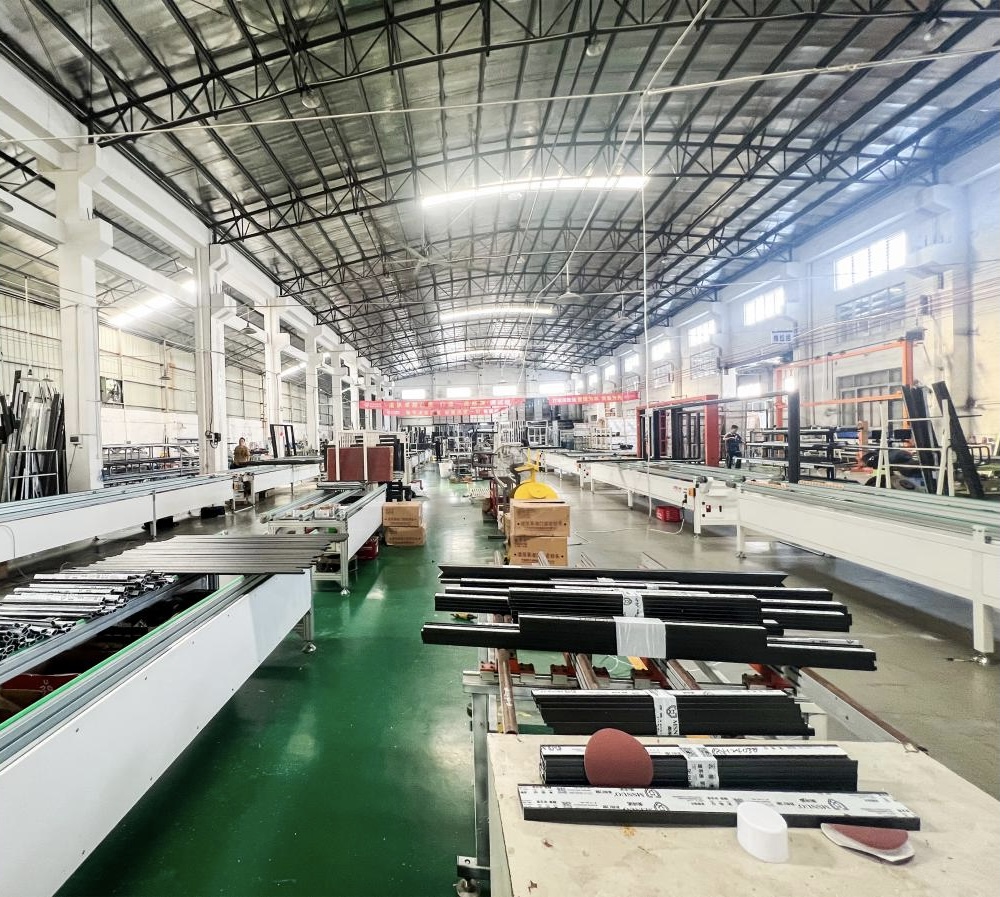
China Supplier Verification Checklist: 17 Red Flags with Factory Audit Data (2026)
Wiring a 30% deposit to a new Chinese supplier is the most expensive moment in the entire procurement process. One missed red flag can cost you your entire shipment — or your whole deposit. This guide covers all 17 red flags with real audit data from 200+ factory inspections, plus a free interactive risk assessment tool that scores any supplier and generates a PDF report.
By Angelica ED — General Manager, 15 Years in China Sourcing & Factory Audits
Follow Skyline Trading on LinkedIn for weekly factory audit reports and supplier verification data.

This guide was last updated July 11, 2026. All audit statistics and verification data reflect findings from Q1–Q2 2026 factory inspections across Guangdong, Zhejiang, Jiangsu, and Shandong.
Why Supplier Verification Matters: What Our Audit Data Shows
Over 200 factory audits across China’s major manufacturing provinces give us a data set most buyers never see. Here is what our records show about the suppliers we have evaluated:
- ~35% of companies that present themselves as manufacturers are trading companies. They subcontract orders and add 15–25% margin. The address on Baidu Maps satellite view usually tells the story before the audit does.
- ~25% of suppliers have at least one red flag in public records — a mismatch between business license and bank name, a court judgment, or a low tax credit rating. These are discoverable before any money changes hands.
- ~15% of shortlisted suppliers pass all desktop verification checks without issues. The rest require follow-up, documentation requests, or are rejected entirely.
- Only ~8–10% pass both desktop verification and physical factory audit on the first attempt without requiring corrective action.
Most common verification failures we find: business scope does not match products sold (34% of failures), company name on invoice differs from business license (22%), registered address is a residential or office building (18%), and missing or expired export documentation (15%). These numbers come from our actual verification records — not industry estimates.
This is not a reason to avoid Chinese suppliers. It is a reason to verify before paying. The cost of verification is a fraction of the cost of a failed order.
What Is at Stake: Loss Scenarios by the Numbers
To understand why verification matters, here are the typical loss scenarios we see when buyers skip due diligence:
| Scenario | Typical Loss | Recovery Chance | Preventable? |
|---|---|---|---|
| Deposit wired to shell company — factory does not exist | 30% deposit on $30,000–$100,000 order | <5% — company disappears | NECIPS check + bank name match (cost: free, 10 minutes) |
| Substandard goods delivered — steel thinner than spec, wrong foam density | Full shipment value + lost sales + replacement cost | 20–30% — factory may negotiate partial refund | Third-party PSI before shipment ($300–600) |
| Container held at customs — missing CE or fire compliance certificates | $5,000–$15,000 demurrage + re-testing + delay penalties | 50–60% — possible with emergency testing | Certificate verification before production (cost: free) |
| Supplier outsources to unknown sub-factory — quality inconsistent | 40–60% rejection rate on arrival | 10–15% — subcontractor has no contract with you | Factory audit before deposit ($300–600) |
| IP theft — supplier copies design and sells to competitors | Loss of exclusive design + market advantage | <5% in practice — China IP enforcement difficult | NDA + IP protection in contract + design patent filing |
Every scenario in this table is based on real cases we have encountered during our work. The cost of prevention is negligible compared to the cost of correction.
Free Interactive Risk Assessment Tool
Before diving into the checklist, use our free interactive tool. It walks you through all 17 flags, scores the supplier in real time, and generates a printable PDF report you can share with your procurement team.
Quick Reference: All 17 Red Flags
Use this table to identify the highest-risk flags at a glance. Flags marked Stop Immediately should halt any payment or contract negotiation until resolved.
| # | Red Flag | Category | Risk | Stop Immediately |
|---|---|---|---|---|
| 1 | No Business License Available | Documentation | High | Yes |
| 2 | Company Name ≠ Bank Account | Documentation | High | Yes |
| 3 | Recently Registered Enterprise | Documentation | High | Yes |
| 4 | Missing Product Certifications | Documentation | Medium | No |
| 5 | Refuses Live Video Calls | Factory | High | Yes |
| 6 | No Verifiable Export Experience | Factory | Medium | No |
| 7 | High-Rise Address, No Factory Grounds | Factory | Medium | No |
| 8 | Inconsistent Product Catalog | Factory | Medium | No |
| 9 | No Quality Control Process | Factory | Medium | No |
| 10 | Refuses Real Production Photos | Factory | Medium | No |
| 11 | Refuses Third-Party Audits | Factory | High | Yes |
| 12 | Unrealistically Low Pricing | Financial | High | Yes |
| 13 | Non-Standard Payment Methods | Financial | High | Yes |
| 14 | No Verifiable Client References | Financial | Medium | No |
| 15 | Evasive Technical Communication | Communication | Medium | No |
| 16 | Interchangeable Company Names | Communication | High | Yes |
| 17 | No Independent Online Presence | Communication | Low | No |
Documentation Red Flags
These cost nothing to verify — just the right information from the supplier and a few minutes on Chinese government websites.
1. No Business License Available
Why it matters: Every legal Chinese company has a Business License with an 18-digit Unified Social Credit Code (USCC). No license means no legal entity. According to China’s NECIPS (National Enterprise Credit Information Publicity System), operated by the State Administration for Market Regulation, all registered companies must publicly display their license information. If the supplier cannot provide their USCC, terminate discussions.
Action: Get the 18-digit credit code and search it on NECIPS (gsxt.gov.cn). Cross-check legal name, registered address, business scope, and registration authority. The NECIPS database is free and requires no registration.
2. Company Name Does Not Match Bank Account
Why it matters: If the bank account name differs from the registered company name, the entity receiving your money may not be the one you contracted with. You lose all legal recourse. This is the most common scam mechanism in China sourcing — the “invoice from Company A, wire to Company B” pattern.
Action: The beneficiary name on the bank must match the business license exactly — including punctuation. Reject personal accounts, offshore accounts, or different company names. In our audits, 22% of flagged suppliers had a name mismatch between invoice and bank details.
3. Recently Registered Enterprise
Why it matters: Scam operators register shell companies, collect deposits for a few months, shut down, and re-register under a new name. The NECIPS database shows the establishment date.
Action: Check the establishment date on NECIPS. If registered under 12 months ago but claiming decades of experience, halt payments. Cross-reference with the registered capital — a company with $5,000 registered capital claiming to handle $500,000 orders is a red flag.
4. Missing Product Certifications
Why it matters: Uncertified products get stopped at customs. Missing CE, ASTM, SGS, or destination-market certifications can lead to seizure, fines, and demurrage charges. For US-bound products, the CPSC requires third-party testing for children’s products and upholstered furniture fire safety. For EU-bound products, CE marking and the applicable harmonized standards are mandatory.
Action: Request full test report PDFs and verify report numbers directly with the issuing body — SGS, TUV, Intertek, or Bureau Veritas. Do not accept a photocopy without a verifiable report number. For GCC-bound shipments, additional SASO or ESMA certification may be required.
Tax Credit Rating Check — The Overlooked Flag
Why it matters: China’s State Taxation Bureau rates companies from A (excellent) to D (poor) based on tax compliance. An A-rated company is almost certainly a legitimate, well-run business. A D-rated company has a history of tax violations — often a precursor to other fraudulent behavior. Most buyers never check this.
Action: Request the supplier’s tax credit rating certificate or search it through the provincial tax bureau portal. An A or B rating is acceptable. A C or D rating requires explanation and heightened scrutiny. This is one of the most reliable signals of a legitimate operator that most importers overlook.
Court Records & Litigation History Check
Why it matters: China’s China Judgments Online (wenshu.court.gov.cn) is the national database of court rulings. A supplier with multiple civil judgments for contract disputes, unpaid supplier claims, or product liability is high risk. The “dishonest person” list (失信被执行人) maintained by the Supreme People’s Court shows companies and individuals with enforcement actions against them.
Action: Search the supplier’s legal name and legal representative’s name on China Judgments Online and the dishonest person list. A single judgment may be circumstantial; a pattern of litigation is a dealbreaker. Cross-reference with the NECIPS penalty records section for administrative sanctions.
Authoritative sources used in these checks: NECIPS (State Administration for Market Regulation), China Judgments Online (Supreme People’s Court), and provincial tax bureau portals (State Taxation Bureau). All are free government-operated databases.
Factory & Operational Red Flags
5. Refuses Live Video Calls from the Shop Floor
Why it matters: Brokers operate from shared offices and claim “network issues” to hide that they have zero machinery. A factory with real production can walk from the office to the workshop in under a minute.
Action: Demand an unannounced live walk-through via WeChat from office desk to production floor in one continuous shot. Ask them to show specific machines, raw material stock, and finished goods. Schedule during production hours (8 AM–5 PM China time), not during breaks.
6. No Verifiable Export Experience
Why it matters: Domestic-only factories do not understand export packing, container loading, customs documentation, or international payment terms. A factory that has never exported will cause delays and damaged goods.
Action: Request customs bills of lading from the past 24 months that match the company’s Chinese name. Check the destination ports — a factory exporting to your region already understands the compliance requirements.
7. High-Rise Address without Factory Grounds
Why it matters: Heavy manufacturing cannot happen on the 15th floor of an office tower. A downtown commercial address means a trading desk. This is one of the easiest red flags to spot — yet we find it in 18% of supplier verifications.
Action: Check the address on Baidu Maps satellite view. Look for factory buildings with loading docks, material yards, and worker dormitories — not shops, apartments, or office towers. Baidu Maps has better coverage of Chinese industrial zones than Google Maps.
8. Inconsistent Product Catalog
Why it matters: Real factories specialise. If the same supplier offers plastics, steel structures, electronics, and textiles, they are a trading company. The business scope on the NECIPS record will confirm this.
Action: Cross-check the registered “Business Scope” on NECIPS against what they claim to manufacture. If their license does not include manufacturing, they cannot legally produce.
9. No Quality Control Process
Why it matters: Factories without independent QC teams produce high defect rates. Relying on production workers to inspect their own output results in missed defects. In our audits, approximately 40% of factories claiming ISO certification had no functioning QC process on the production floor.
Action: Ask for a written QC plan with inspection checkpoints, sampling rates (AQL 2.5 or tighter), and calibration records for measuring equipment. If they cannot provide one, assume there is none.
10. Refuses Real Production Photos or Videos
Why it matters: Stock photos from Alibaba tell you nothing about actual production capability. If they cannot show the real line, it may not exist.
Action: Ask the rep to take a smartphone photo next to the machinery holding a sign with today’s date and your company name. Request photos from multiple angles — raw material storage, production floor, QC area, finished goods warehouse.
11. Refuses Third-Party Audits
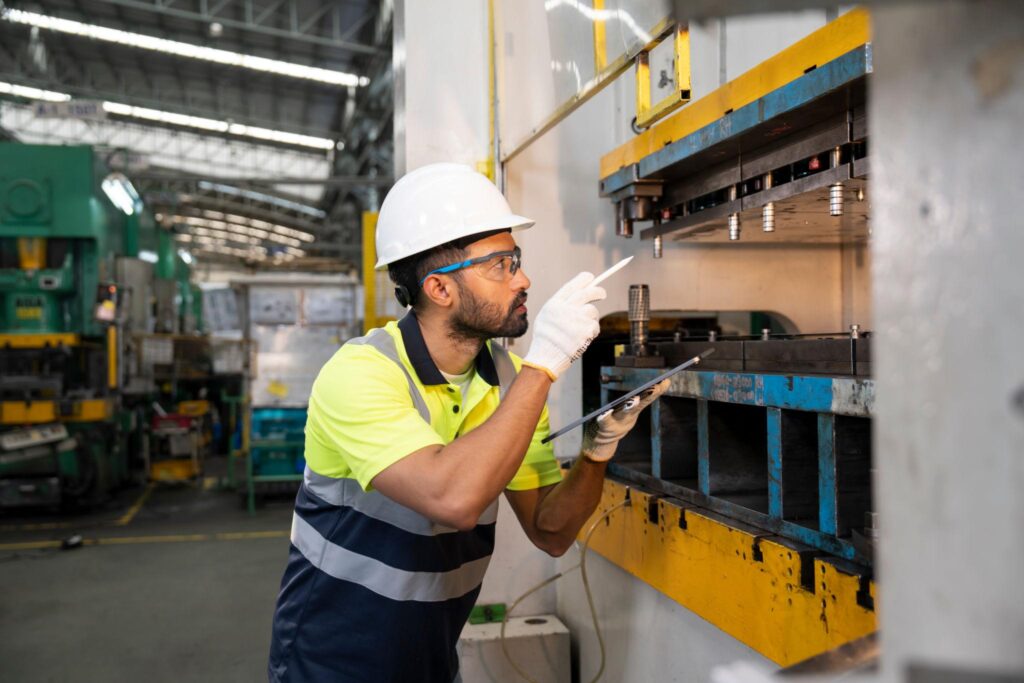
Why it matters: This is the ultimate dealbreaker. Real factories welcome third-party inspectors. Refusal means something is being hidden — whether it is outsourced production, non-functioning machinery, or poor working conditions.
Action: Make third-party inspection a non-negotiable contract term before releasing the deposit. If a supplier says “we trust our quality, no need for inspection,” they are not a supplier you can trust. Contact us for factory audit services.
Financial & Payment Red Flags
12. Unrealistically Low Pricing
Why it matters: When a quote comes in 25%+ below every other supplier, the intent is usually to run with your deposit, ship substandard materials, or hold cargo for hidden fees. They may also be a broker quoting without confirmed factory pricing.
Action: Compare pricing against raw material benchmarks (London Metal Exchange for metals, commodity indices for plastics). If the quote cannot cover raw material costs, it is a scam or a bait-and-switch. Request a detailed BOM (bill of materials) breakdown to verify.
13. Pressure for Non-Standard Payment Methods
Why it matters: Western Union, cryptocurrency, personal wire transfers, or pressure to pay 100% upfront are fraud hallmarks. Even “30% deposit, 70% before shipment” carries risk if the supplier demands the balance before you can inspect.
Action: Stick to corporate T/T transfers (30% deposit, 70% after inspection and before shipment) or irrevocable Letters of Credit for orders over $100,000. Never pay 100% upfront. Verify the bank account is a corporate account in the company’s registered name — not a personal account.
14. No Verifiable Client References
Why it matters: Hiding behind NDAs or “confidentiality agreements” when asked for references usually means no export history or active disputes.
Action: Demand references from non-competing regions. Contact them independently (not through the supplier). Ask about product quality, delivery reliability, after-sales support, and whether they would order again. Alternatively, check shipping history via trade intelligence databases like ImportGenius or Panjiva.
Communication Red Flags
15. Evasive Technical Communication
Why it matters: If sales redirects every technical question about material grades, tolerances, or certifications to payment discussions, they likely lack access to engineers — meaning they are not the manufacturer.
Action: Send a detailed technical questionnaire covering materials, dimensions, tolerances, testing methods, and packaging. Vague or generic answers are a warning sign. A real factory will involve their engineering team in the response.
16. Interchangeable Company Names
Why it matters: Different names on email signature, invoice, bank account, shipping documents, and contract = a middleman chain designed to hide liability. When something goes wrong, each party blames the other.
Action: Require one consistent legal name across all documents. The payee must match the contracting party. Check the company seal (chop) on the contract — it must match the business license name.
17. No Independent Online Presence
Why it matters: A supplier using only @outlook.com, @qq.com, or @163.com with no company website and no verifiable history can vanish overnight. While some legitimate small factories use free email, combine this with other red flags before dismissing.
Action: Check domain age via WHOIS. Insist on company domain email addresses. Search the company name on Alibaba, Made-in-China, and Google. A legitimate manufacturer will have some online footprint beyond a single Alibaba listing.
IP Protection & Design Rights: An Overlooked Risk
If you are sourcing custom-designed products from China, your intellectual property is at risk regardless of how well the factory is verified. Here is what we recommend based on cases we have seen:
- File a Chinese design patent — China is a first-to-file jurisdiction. If you share your design with a factory without patent protection, they can legally patent it themselves and prevent you from manufacturing it. Filing a Chinese design patent costs approximately $300–500 and takes 6–12 months.
- Use a strong NDA — The NDA should include a non-compete clause specific to your product category, a non-circumvention clause (so the factory cannot sell your design to others), and liquidated damages that are meaningful enough to enforce.
- Split production across stages — In high-risk cases, have one factory produce components and another perform final assembly, so no single supplier has your complete design.
- Trade mark your brand in China — China operates a first-to-file trademark system. Registering your brand in China (Class 20 for furniture, relevant classes for your industry) prevents the factory from registering it and blocking your imports.
We include IP risk assessment in our factory audit reports, identifying whether a supplier has the capacity to reverse-engineer your designs and the market channels to sell copied versions.
How to Verify a Chinese Supplier Step by Step
Follow this order. Each step builds on the last. Steps 1–4 take under 30 minutes and cost nothing.
- Business license check — Search the 18-digit credit code on NECIPS (free, 5 minutes). Verify legal name, address, business scope, and penalty records.
- Tax credit rating — Request or search the supplier’s tax rating (A/B/C/D). Reject anything below B unless strongly justified.
- Court records search — Search on China Judgments Online and the dishonest person list. Flag any litigation pattern.
- Bank name match — Confirm the payee name matches the license exactly. Reject any mismatch.
- Address check — Look up the address on Baidu Maps satellite view. Confirm it is an industrial facility, not an office tower.
- Live video call — Demand an unannounced walk-through during production hours.
- Client references — Ask for 2–3 international buyers you can contact directly.
- Sample order — Have the product shipped to your facility for independent testing.
- Third-party audit — Book an on-site inspection before releasing the deposit.
- Production monitoring — Use during-production inspection (DUPRO) for large orders.
- Pre-shipment inspection — Final PSI before releasing the 70% balance.
Use our interactive risk assessment tool to automate steps 1–8 and generate a PDF report for your records.
Desktop Due Diligence vs Factory Audit
Supplier verification (desktop checks) and factory audits (on-site inspections) serve different purposes. Most buyers need both. Here is how they compare:
| Feature | Supplier Verification | Factory Audit |
|---|---|---|
| Purpose | Confirms legal existence and clean records | Checks production lines, machinery, and QC systems |
| Cost | Low ($100–$200), or free if you do it yourself | Moderate ($300–$600 per facility) |
| Scope | Licenses, court filings, tax records, bank details | Machinery, labor conditions, QC labs, workflows, material storage |
| Risk Reduction | Prevents shell company scams and payment fraud | Stops outsourcing, quality failures, and capacity issues |
| Best For | Initial supplier filtering before engaging | Custom or high-volume orders before releasing deposit |
| Timing | Before RFQ, during supplier shortlisting | After shortlisting, before contract and payment |
For large orders, a professional factory audit is strongly recommended before releasing payment. Desktop verification alone cannot confirm a factory has the machinery, capacity, or quality systems it claims.
US Market Compliance for China Sourcing
For buyers importing products to the United States from Chinese suppliers, these compliance checks are essential before production begins:
- CPSC requirements: The U.S. Consumer Product Safety Commission requires third-party testing for many product categories. Ensure your supplier’s test reports are from a CPSC-accepted laboratory — internal factory declarations are not accepted by U.S. Customs.
- Customs bond: All commercial shipments over $2,500 entering the U.S. require a customs bond. Verify your freight forwarder has this in place before the container ships.
- FDA registration: If importing food-contact materials or kitchen equipment, the manufacturing facility must be registered with the FDA and the products must comply with FDA food-contact regulations (21 CFR).
- FCC compliance: Electronics and products with wireless functionality require FCC testing and declaration of conformity. Verify the supplier has FCC reports before production.
- De minimis changes (2026): The de minimis threshold for duty-free importation of low-value goods has been under review. Check current de minimis rules for your product category — changes may affect your landed cost calculation.
- Tariff classification: Verify the correct HTS code with U.S. Customs. Section 301 tariffs on Chinese-origin goods remain in effect for many categories. Your supplier verification should include a tariff assessment.
We include US compliance readiness in our supplier verification reports, covering CPSC testing standards, customs bond requirements, and tariff classification for every US-bound project.
UK & Europe Compliance for China Sourcing
For buyers importing to the UK or European Union, these compliance areas are frequently overlooked during supplier verification:
- CE marking (EU) / UKCA marking (UK): Products placed on the EU market must carry CE marking with a Declaration of Conformity and technical file. For the UK market, UKCA marking is required. Verify your supplier can provide these documents — many Chinese factories do not understand the difference.
- REACH compliance: Chemicals, materials, and finished products imported into the EU must comply with REACH (Registration, Evaluation, Authorisation, and Restriction of Chemicals). Request REACH compliance declarations for raw materials.
- EU Deforestation Regulation (EUDR) — effective December 2026: Products containing wood, wood-based panels, rubber, or cellulose fiber imported into the EU must include a due diligence statement proving the materials did not originate from deforested land. Large operators must comply from December 30, 2026; small operators from June 30, 2027. Request FSC-certified wood and geotagged harvest data from suppliers now.
- UK REACH: Post-Brexit, the UK operates its own REACH framework. Suppliers exporting to both markets may need separate compliance documentation.
- Packaging waste regulations: EU and UK regulations require importers to manage packaging waste. Verify your supplier’s packing materials are recyclable and properly labelled.
- General Product Safety Regulation (GPSR) — EU 2023/988: Effective December 2024, this regulation requires traceability documentation, including the manufacturer’s name and address on the product or packaging, and an authorised representative in the EU. Confirm your supplier can provide this.
Skyline Trading Co., LTD maintains compliance documentation for CE-marked, UKCA-marked, and EUDR-compliant projects. Our supplier verification checklists include REACH, EUDR readiness, GPSR, and packaging waste compliance verification for every EU/UK-bound project.
GCC-Specific Verification Considerations
For buyers importing to Saudi Arabia, UAE, Qatar, Kuwait, Oman, or Bahrain, add these checks to your supplier verification process:
- SASO / ESMA certification: Saudi Arabia requires SASO certification for many product categories. The UAE and other GCC members have their own conformity assessment programs. Verify your supplier has experience exporting to GCC countries and can provide the required Certificates of Conformity from notified bodies.
- GCC Conformity Marks: Electrical products, toys, and certain other categories require the GCC Conformity Mark for customs clearance. Verify this requirement applies to your product.
- Humidity and pest treatment: Solid wood and natural material products must be accompanied by an ISPM 15 fumigation certificate. Containers arriving without this documentation face quarantine delays of 2–4 weeks at GCC ports.
- Arabic labelling: Saudi Arabia and some GCC states require product labelling and user manuals in Arabic. Verify your supplier can provide Arabic documentation — most cannot without a specific request.
- GCC-specific contract terms: Include destination port, Incoterms (CIF or CFR typically preferred), demurrage clauses, and a clear dispute resolution mechanism. GCC courts may apply different commercial law than your home jurisdiction.
Our GCC project verification packages include SASO conformity assessment, ISPM 15 verification, Arabic labelling review, and GCC-specific contract review. We have completed verification projects for hospitality and construction clients across all six GCC states.
Ongoing Monitoring: Verification Is Not One-Time
Supplier verification is not a one-time event. The supplier that passes all checks today may change ownership, outsource production, or face financial difficulty by your next order. Here is what we recommend for ongoing monitoring:
- Re-verify annually — Re-run NECIPS checks, court records searches, and tax credit rating checks every 12 months. Company status can change.
- Monitor quality trends — Track defect rates across shipments. A rising trend may indicate the factory is under financial pressure and cutting corners.
- Update compliance documentation — Certifications expire. Track expiry dates for ISO certificates, fire test reports, and product certifications. Request updated reports before they expire.
- Watch for personnel changes — If key contacts (sales manager, QC manager) leave the supplier, quality and communication often shift. Request a transition meeting.
- Check for name changes — Some suppliers change their company name after accumulating negative records. A name change is itself a red flag that warrants re-verification.
We offer annual re-verification packages for existing supplier relationships. The process takes approximately one day and costs significantly less than managing a failed order.
Common Mistakes Buyers Make
Even experienced procurement teams make these errors. Here are the most frequent ones we see.
Skipping the NECIPS Check
Relying on a scanned business license without verifying it on the government database. Licenses can be forged or modified. The NECIPS database is the only authoritative source.
Trusting Alibaba Badges Only
“Gold Supplier” or “Verified” badges are paid memberships. They do not guarantee the supplier owns machinery or will not outsource your order. We have audited “Gold Supplier” factories that were empty trading offices.
Skipping Court and Tax Records
Most buyers check the business license and stop there. Court records and tax credit ratings reveal ongoing legal problems that the license alone will not show. These free checks take 10 minutes and can save tens of thousands of dollars.
Paying 100% Upfront
This gives up all your leverage. If goods are defective, delayed, or never produced, the factory has no incentive to fix anything — they already have your money. Even T/T 30/70 carries risk if the 70% is due before inspection. Negotiate payment terms that include an inspection milestone.
Not Checking the Destination Market Compliance
Certification requirements differ by destination country. A CE-marked product may not meet UKCA requirements. A CAL 117 tested product may not pass BS 5852. Specify your target market’s compliance standard in the RFQ and verify test reports before production begins.
Frequently Asked Questions
How do I verify a Chinese supplier before paying?
Start by checking the supplier’s business license on NECIPS (gsxt.gov.cn). Confirm the bank account name matches the license. Run a court records search on China Judgments Online. Check the tax credit rating. Do an unannounced live video call from the production floor. For orders over $10,000, book a third-party factory audit before releasing the deposit. Use our interactive risk assessment tool to automate most of this process.
What are safe payment terms for a first order from China?
Industry standard is 30% deposit with order and 70% balance after inspection and before shipment. Never pay 100% upfront. For orders above $50,000, use an irrevocable Letter of Credit (L/C). Always verify the bank account name matches the supplier’s business license before wiring any money. If a supplier pushes for Western Union or cryptocurrency, cease communication immediately.
How can I check if a Chinese factory is real without flying there?
Ask for an unannounced live video call via WeChat or Zoom — a real factory can walk from the office to the production floor in under a minute. Check the address on Baidu Maps satellite view; a high-rise office building means a trading company. Verify the business license on NECIPS. Search court records and tax credit rating. Our free interactive risk assessment tool scores the supplier automatically based on all these factors.
What red flags should stop me from sending a deposit?
No valid business license, bank name does not match company name, pressure for 100% upfront or personal payment methods, refusal of third-party audits, quotes 25%+ below market average, tax credit rating of D, and multiple court judgments for contract disputes. Any one of these should stop the process immediately.
How much does a factory audit in China cost?
Between $300 and $600 per facility depending on location and technical depth. This is a small price compared to losing a 30% deposit on a $50,000 order — or receiving a container of substandard goods. Skyline Trading Co., LTD offers factory audit services across all major Chinese manufacturing provinces.
What is the NECIPS system?
NECIPS (National Enterprise Credit Information Publicity System) is China’s official government company database operated by the State Administration for Market Regulation. Go to gsxt.gov.cn, enter the supplier’s 18-digit Unified Social Credit Code, and you can see their legal name, registered capital, establishment date, business scope, and any regulatory penalties. It is free and requires no registration.
How do I check a Chinese supplier’s tax credit rating?
China’s State Taxation Bureau rates companies from A (excellent) to D (poor) based on tax compliance. Request the supplier’s tax credit rating certificate or search through the provincial tax bureau portal. An A or B rating is acceptable. A C or D rating signals tax compliance issues that often correlate with other business problems. This is one of the most overlooked yet reliable verification checks available.
How do I check if a Chinese supplier has court cases against them?
Search the supplier’s legal name on China Judgments Online (wenshu.court.gov.cn), the national database of court rulings. Look for civil judgments related to contract disputes, unpaid supplier claims, or product liability. Also check the dishonest person list (失信被执行人) for enforcement cases against the company. A pattern of litigation is a serious red flag that should halt the process.
Can I do supplier verification myself or should I hire a professional?
Desktop verification (NECIPS checks, court records, tax credit rating, bank name match) can be done yourself in about 30 minutes — and this guide gives you the steps. However, physical factory audits require a professional on the ground who knows what to look for: hidden outsourcing, non-functioning machinery, false QC documentation, and unsafe working conditions. We recommend DIY desktop verification for initial filtering, then professional audits for shortlisted suppliers before committing to large orders.
How do I protect my product design from being copied in China?
File a Chinese design patent before sharing your design with any supplier — China is first-to-file, so the factory can patent your design themselves. Use a strong NDA with non-compete and non-circumvention clauses. Register your trademark in China. Consider splitting production so no single supplier has your complete design. We include IP risk assessment in our factory audit reports.
Related Guides
Each red flag in this checklist can be explored in more depth. Here are our detailed guides on related topics:
- How to Read a China Factory Audit Report — Understand every section of an audit report and avoid common misinterpretations.
- China Procurement Risks — A broader look at supply chain risks beyond supplier verification.
- Alibaba vs Direct Factory — How to tell if you are talking to the real manufacturer or a middleman.
- China Sourcing Glossary — Key terms every buyer should know when dealing with Chinese suppliers.
- How to Source Restaurant Furniture from China — A practical guide with factory audit data for the hospitality industry.
Need Professional Supplier Verification?
If you are placing a large order and cannot afford to get it wrong, let our team handle the verification. We offer desktop due diligence, court records checks, tax credit verification, and on-site factory audits across all major manufacturing provinces in China. Our team has completed over 200 factory audits and supplier verifications for clients across the Middle East, Africa, Europe, and North America. We maintain compliance documentation for US (CPSC, CAL 117, BIFMA), UK (BS 5852, UKCA), EU (CE, EN standards, REACH, EUDR), and GCC (SASO, ESMA) markets — verified through our factory audit program for every project. Follow us on LinkedIn for weekly supplier verification data and factory audit reports.
Send your requirements for a free project assessment, or try our interactive risk assessment tool to score any supplier in under 10 minutes.
Last updated: July 11, 2026. Part of the China Procurement Hub. Written by Angelica Ed, S. Sales at Skyline Trading Co., LTD. Follow our supplier verification insights on LinkedIn.