
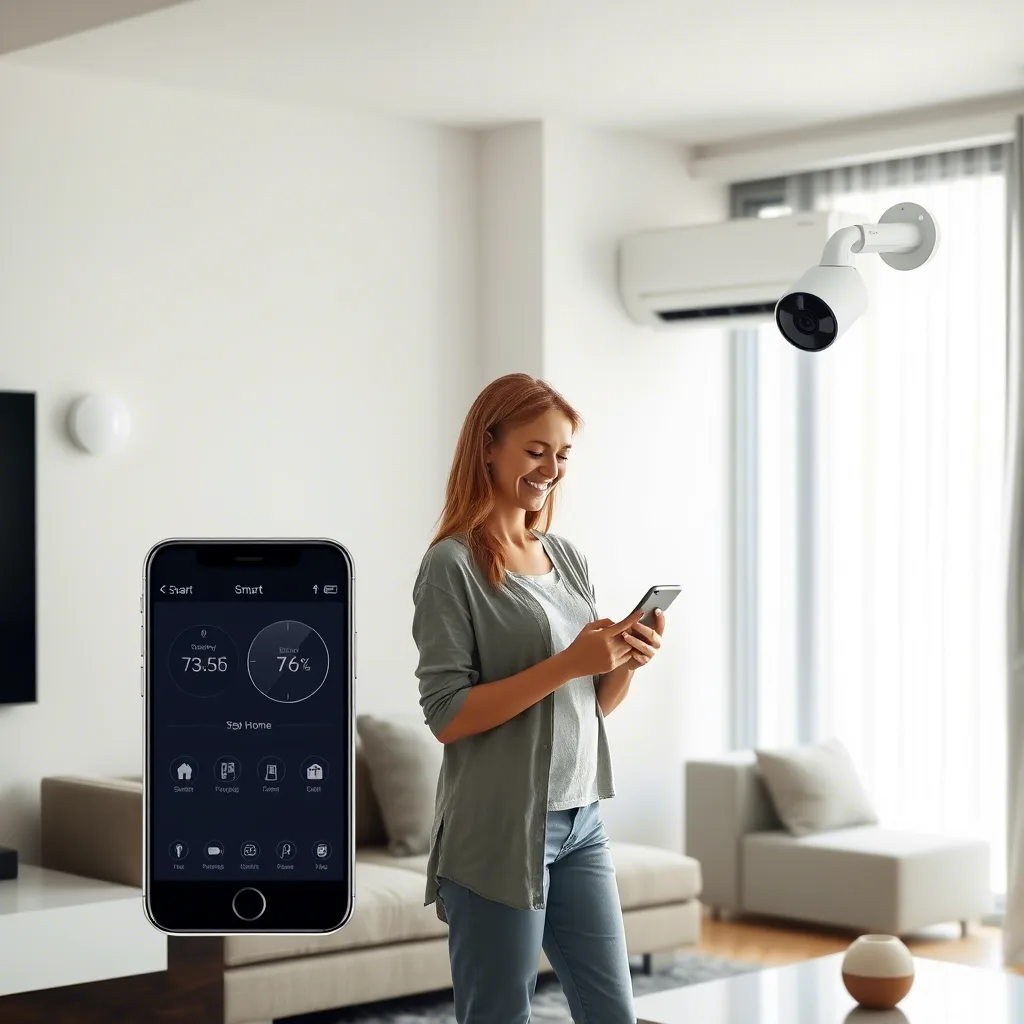
How to Choose the Right Smart Home Technology for Your Property
Selecting the optimal smart home technology ecosystem requires a strategic approach that balances structural requirements, user experience, and long-term asset value. This comprehensive smart home guide provides property developers, hoteliers, and premium homeowners with the technical insights needed to execute an efficient automation strategy. Implementing tailored smart home technology not only elevates daily operations but also introduces robust, energy-saving configurations tailored to modern architectural standards.
Navigating the complex marketplace of automation protocols demands professional foresight to ensure seamless hardware interoperability. Engineering a unified system guarantees that every corporate or residential installation operates at peak efficiency. For detailed architectural manifestations and procurement inquiries, contact our engineering division at [email protected] or submit your project layouts directly through the Skyline Trading Co., LTD contact gateway. Our technical consultants are equipped to streamline your automation journey from blueprint to physical commissioning.
Introduction to Smart Home Technology
The global adoption of smart building automation highlights the critical importance of implementing centralized control frameworks. Understanding the core components of home automation allows property owners to optimize security, convenience, and resource allocation. A professional-grade integration harmonizes disparate hardware layers into a single, intuitive interface.
Key Takeaways
- Smart home technology drives operational efficiency while delivering measurable, long-term utility cost reductions.
- A data-driven technical guide mitigates the risk of protocol incompatibility during large-scale commercial deployments.
- Advanced automation frameworks can be fully customized to accommodate complex spatial configurations and budgetary constraints.
- Centralized control hubs seamlessly bridge hardware components, sub-panels, and edge devices into a unified user experience.
- Energy-saving smart devices actively mitigate carbon footprints and optimize property operational expenses (OpEx).
Understanding Smart Home Technology Fundamentals
Modern building automation relies on a structured hierarchy of hardware to maximize asset security and localized control. By enabling remote monitoring and systemic interaction across HVAC, lighting, and power distribution subsystems, these technologies transition traditional real estate into responsive, intelligent environments designed to lower overhead costs.
Integrated security layers and smart architectural lighting represent the standard baseline for premium property developments. These systems are managed through secure mobile applications or voice-activation topologies, allowing facility managers and residents to command zone configurations with absolute accuracy.
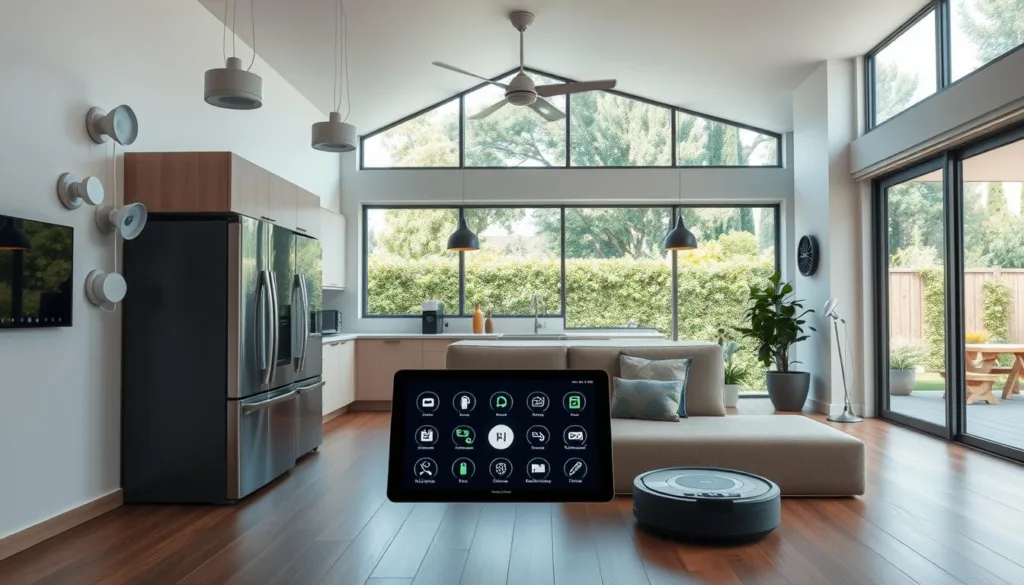
Technically, automation operates via an interconnected network of sensors, centralized controllers, and mechanical actuators. Sensors actively monitor environmental metrics such as ambient temperature and motion thresholds, transmitting real-time data to the controller. The controller processes these data packets according to pre-configured logic scripts and dispatches commands to the physical actuators, ensuring smooth operational continuity.
Deploying a robust automation architecture delivers immediate performance advantages. Property managers gain comprehensive oversight of spatial climate zones, lighting matrix schedules, and access control vectors from centralized dashboards, strengthening risk management and oversight.
| Automation Subsystem | Operational Advantages |
|---|---|
| Home Security Systems | Real-time threat detection, cryptographic access control, and remote asset monitoring. |
| Smart Lighting Systems | Dynamic load balancing, automated scene scheduling, and optimized lumen output. |
Mastering these foundational technical concepts prevents costly engineering retrofits down the line. Whether your primary project objective is high-security perimeter management or luxury hospitality comfort, selecting the correct hardware profile ensures that your system satisfies stringent building regulations and technical demands.
Assessing Your Property’s Smart Home Potential
Determining the appropriate technological footprint requires a rigorous auditing phase. Engineering teams must evaluate structural floor plans, anticipated occupancy density, and baseline power distribution habits. For instance, integrating intelligent commercial thermostats into a multi-zone layout directly reduces unnecessary HVAC utilization and minimizes utility overhead.
During the structural assessment phase, technical planners prioritize the following operational criteria:
- Baseline energy consumption metrics to identify areas of power waste.
- Physical spatial geometry, structural concrete framing, and wireless signal path constraints.
- Occupant capacity, traffic flow patterns, and daily operational schedules.
Analyzing these parameters allows developers to map hardware placement accurately, ensuring that automated systems deliver maximum functional return on investment. This data-driven evaluation removes guesswork from material procurement.
Conducting a granular infrastructure audit dictates the selecting of precise field controllers. Deploying specialized climate regulators alongside high-efficiency nodes ensures sustainable property performance over long-term asset lifecycles.
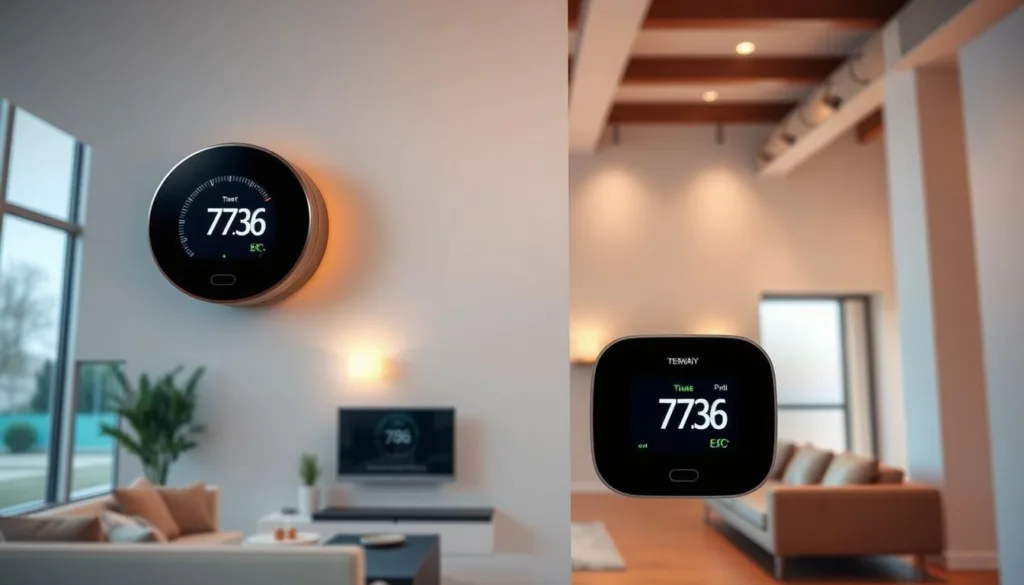
A well-executed layout optimizes indoor climate balance and maximizes real estate marketability. Initiating your technical assessment today secures a future-proof foundation for comprehensive property automation.
| Automation Component | Technical Utility |
|---|---|
| Smart Thermostats | Dynamic zone throttling, localized climate tracking, and HVAC load optimization. |
| Energy-Saving Smart Devices | Peak-load shaving, standby power mitigation, and sustainable energy compliance. |
Essential Considerations Before Investing in Home Automation
Capital deployment into building automation systems requires extensive risk mitigation. Technical specialists must verify cross-brand hardware interoperability and ensure full compatibility with pre-existing electrical panel configurations and low-voltage lines.
A high-bandwidth, redundant network backbone is mandatory to support simultaneous data packets from edge devices. Professional automation guidelines emphasize implementing enterprise-grade local networks to prevent data packet drops, while structuring scalable capital allocations for high-tier hardware integration.
Key risk-mitigation factors include:
- Verifying protocol cross-compatibility (e.g., KNX, Zigbee, or Matter standards).
- Deploying redundant network access points to safeguard systemic uptime.
- Structuring scalable budgets that accommodate future modular expansions without rebuilding the core infrastructure.
Addressing these structural variables ensures the development of an agile automation framework that honors your strict cost limits. Rigorous market research and technical comparisons safeguard your project from early technological obsolescence.
| Device Architecture | Compatibility Prerequisites | Network Requirements |
|---|---|---|
| Climate Control Modules | Requires direct interfacing with specific HVAC relays | Static IP assignment, low-latency connection |
| Smart Lighting Panels | Requires integration with dimmable driver modules | Dedicated VLAN isolation to ensure security |
Smart Security Systems and Solutions
Integrating cryptographic security architectures is critical to modern architectural design, safeguarding physical property assets and providing comprehensive liability protection. Advanced network-attached surveillance systems grant real-time remote telemetry and centralized access control worldwide.
Standard enterprise deployments comprise biometric door transponders, multi-zone motion arrays, and high-definition IP cameras operating on closed subnets. These elements communicate with main access control servers, allowing security operators to manage mechanical locks and review encrypted storage loops from centralized monitoring tablets.
When engineering an institutional or residential security grid, design teams prioritize the following key features:
- Encrypted off-site telemetry and comprehensive mobile command overrides.
- Real-time push alerts and instant intrusion threat reporting.
- Direct hardware-level interfacing with localized alarms and perimeter barriers.
- Customizable zone masking and adaptive motion tracking algorithms.
Modern security grids act as an active deterrent against unauthorized breeches. Leveraging edge-computing cameras and digital entry hardware ensures rapid reaction windows and total situational awareness during security events.
| Security Infrastructure Feature | Technical Specifications |
|---|---|
| Remote Telemetry Monitoring | Secure end-to-end encryption streaming to authorized mobile applications or central stations. |
| Real-Time Threat Notifications | Instantaneous cryptographic signaling upon perimeter sensor or glass-break activation. |
| Subsystem Hardware Interfacing | Direct dry-contact links between security hubs and lighting matrixes for automated emergency lighting. |
Intelligent Climate Control and Energy Management
Advanced building management systems (BMS) are vital to modern sustainable construction. Implementing industrial-grade, energy-saving devices helps commercial properties lower peak electrical demands and minimize ongoing operational expenditures, verified by specialized smart home guides.
Core elements of scalable energy management frameworks include:
- Smart thermostats utilizing predictive AI algorithms to adjust ambient thermal loads based on historical occupancy patterns.
- Inline energy sub-metering modules providing granular, real-time consumption telemetry across individual sub-circuits.
- Modbus or BACnet HVAC integration options that optimize compressor cycling for maximum thermodynamic efficiency.
Integrating these efficiency nodes elevates real estate assets to meet modern environmental compliance frameworks. Prioritizing climate control automation actively addresses global green-building initiatives while driving down overhead costs.
Connected Lighting and Ambiance Control
Automated architectural lighting control is fundamental to premium interior design. Implementing centralized dimming panels allows property operators to adjust illumination profiles, establish automated scene scheduling, and manage color-temperature balancing across expansive luxury estates.
Optimizing illumination improves occupant comfort and operational efficiency. Linking lighting controllers directly to master automation networks creates synchronized environments, such as pre-programmed evening transitions or specialized presentation modes in commercial spaces.
- Centralized control over multiple lighting zones from single-bus keypads.
- Substantial reductions in power draw via automated daylight harvesting and schedules.
- Enhanced spatial aesthetics through customizable lux-level adjustments.
- Increased valuation of commercial real estate assets due to high-tier building infrastructure.
Entertainment and Audio Visual Integration
High-end multimedia distribution has evolved beyond stand-alone hardware into fully integrated audio-visual matrices. Modern properties utilize centralized matrix switchers to deliver low-latency uncompressed media streams to multi-room acoustic zones and dedicated residential cinemas alike.
- Multi-zone audio matrices supporting centralized high-fidelity streaming and independent room volume leveling.
- Smart commercial display integration allowing seamless control over distributed digital signage networks.
- Dedicated media room engineering featuring automated acoustic tuning, motorized motorized screen controls, and custom ambient dimming.
Investing in standardized AV distribution architectures unlocks unparalleled control over property entertainment zones. Centralized management streamline input routing and audio parameters, giving users total control over their entertainment spaces.
| AV Component | Technical Integration Features | Operational Asset Value |
|---|---|---|
| Distributed Audio Nodes | Dante or PoE audio tracking, multi-zone routing, software-based DSP tuning. | Eliminates visible cabling, enables localized volume throttling. |
| Architectural Soundbars | E-ARC integration, localized digital amplification, custom structural mounts. | Delivers premium acoustic performance without occupying real estate footprint. |
| Centralized Matrix Hubs | 4K/8K distribution over HDBaseT protocols, secure rack-mount housing. | Consolidates media source hardware into single secure maintenance locations. |
Voice Control and AI Assistants
Natural language processing interfaces have become essential control methods within modern luxury structures. Integrating local voice engines allows occupants to adjust multi-layered climate and security configurations hands-free. Implementing localized computing nodes safeguards data privacy while providing fast offline control.
Artificial intelligence systems learn localized usage trends and optimize macro routines automatically. As machine learning algorithms advance, predictive building management will continue to refine operational workflows across major architectural developments.
Managing Installation and Implementation
The successful deployment of an enterprise automation system requires meticulous engineering oversight. Ensuring clean cable path isolation and reliable low-voltage termination is paramount to systemic stability, requiring compliance with elite technical documentation.
Evaluating professional integration against simple consumer DIY execution is a critical project milestone. While basic consumer kits offer superficial accessibility, professional integration guarantees code compliance and robust system architecture:
- Systemic Complexity: Large-scale properties require managed network backbones and physical rack architecture to prevent signal degradation.
- Engineering Expertise: High-voltage control interfacing and bus-line addressing demand specialized certifications to prevent systemic failures.
- SLA Support & Warranties: Enterprise integrators provide binding Service Level Agreements and comprehensive hardware warranties for ongoing maintenance.
| Deployment Strategy | Project Advantages | Project Disadvantages |
|---|---|---|
| Certified Professional Integration | Guaranteed uptime, full hardware-level warranty, code compliance. | Higher initial capital deployment requirements. |
| Consumer-Grade DIY Setup | Low initial material procurement costs, immediate deployment. | High latency, limited physical scalability, no formal SLA support. |
Future-Proofing Your Smart Home Investment
Allocating capital into commercial or residential building management demands long-term structural viability. To secure asset longevity, designers specify scalable, protocol-agnostic platforms capable of accommodating modular hardware upgrades over subsequent decades.
Selecting standardized communication frameworks prevents vendor lock-in and hardware obsolescence. Prioritize the following future-proofing metrics during your procurement review:
- Mandatory over-the-air firmware update schedules to patch emerging cryptographic security vulnerabilities.
- Modular DIN-rail physical scalability to allow effortless addition of peripheral relay modules.
- Native software compatibility with advanced industry-standard software engines and artificial intelligence frameworks.
Conclusion: Making the Smart Choice for Your Connected Home
Strategic smart technology procurement transforms standard properties into highly competitive, operationally efficient modern structures. Engineering a unified network of intelligent security layers, efficient climate systems, and automated lighting profiles drives tangible appreciation in real estate asset value.
Prioritizing structural compatibility, backbone stability, and scalable budget design ensures the long-term viability of your technical infrastructure. Skyline Trading Co., LTD provides end-to-end B2B procurement, product sourcing, and engineering consultation services for international developments. For technical consultation or factory-direct hardware pricing, contact our commercial division directly at [email protected] or visit our corporate website at skyltc.com.
FAQ
A smart home is a property structured around an interconnected network of automated hardware devices, appliances, and subsystems that communicate via standardized protocols. These systems enable remote telemetry monitoring, automated logic programming, and centralized management of structural operations.
The core architecture relies on an interconnected loop of environmental sensors (input nodes), centralized controllers (processing units), and physical actuators (mechanical execution hardware). These components work in tandem to monitor, process, and adjust structural variables automatically.
Professional-grade integration maximizes property operational efficiency, enhances asset risk management through real-time security telemetry, reduces utility overhead costs via dynamic power balancing, and dramatically elevates real estate market value.
Planners must audit spatial floor layouts, structural material limitations affecting wireless frequency paths, expected occupancy density, and historical consumption data to map out an effective, high-yield hardware layout.
Critical risk mitigation steps include validating cross-brand protocol compatibility (e.g., KNX, Matter), establishing an isolated, enterprise-grade network backbone, and structuring a highly scalable, modular capital budget.
High-tier security configurations feature cryptographic biometric access control locks, network-attached IP surveillance arrays on dedicated subnets, and multi-zone perimeter motion sensors tied directly into central alarm matrices.
Intelligent climate solutions employ automated zone throttling and occupancy-tracking algorithms to align HVAC load output with actual building usage, preventing energy waste and cooling/heating empty spatial square footage.
Connected lighting networks offer multi-zone dimming controls and automated daylight harvesting routines. These configurations reduce corporate power draw while allowing facility managers to program customized spatial light scenes.
Enterprise multimedia solutions include uncompressed centralized audio-visual matrix routing switchers, distributed high-fidelity audio zones over IP protocols, and dedicated home cinema integration packages featuring automated acoustic tuning.
Integrating edge-computed local voice processing software provides real-time, hands-free management of structural climate, lighting, and entry relays without dispatching local customer telemetry data to external cloud servers.
Developers must choose between certified professional integration or simple consumer DIY. Professional installation provides proper low-voltage code compliance, structural cable path management, and binding Service Level Agreements (SLAs).
To future-proof your system, enforce the procurement of protocol-agnostic hardware architectures (such as KNX standards), maintain modular DIN-rail configuration footprints, and mandate regular over-the-air firmware security patches.