

Direct Factory vs Sourcing Agent: Real Cost Breakdown & Case Study (2026)
The calculation seems simple on paper: cut out the middleman, negotiate directly with the factory floor, and pocket the price difference. For decades, international procurement managers, real estate developers, and hotel owners have operated under the assumption that buying direct from factory China represents the absolute floor for product pricing. If you remove third-party service providers, your unit cost must go down. Right?
In the real-world cross-border supply chain, this calculation frequently fails. Many overseas buyers discover too late that a direct manufacturer invoice does not equal the total landed cost of their cargo. Unexpected production delays, unfixable structural defects discovered at the port of destination, unannounced material substitutions, and logistical missteps often turn a supposedly “cheap” direct factory contract into an expensive financial lesson.
Sourcing commercial assets from China—whether you are procuring high-specification hotel aluminum doors and windows, custom hospitality furniture, commercial kitchen equipment, or smart home automation systems—requires a clear look at structural economics. The classic debate of a China sourcing agent vs direct factory isn’t about choosing between a “good” option and a “bad” option. It is about understanding how hidden cost variables dictate your real expenditures. This guide analyzes the commercial mechanisms behind supply chain pricing in China, showing why direct procurement can sometimes cost more than utilizing localized China procurement services.
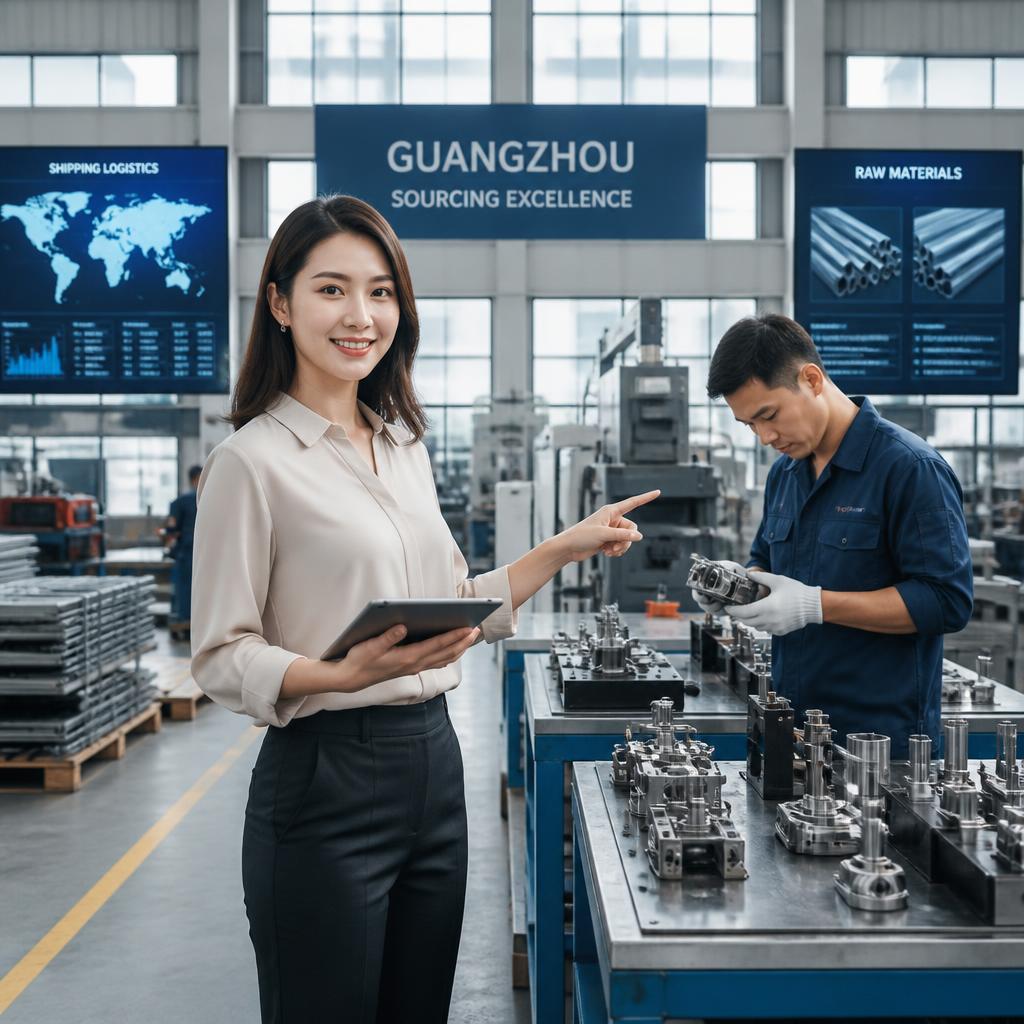
Why Factories Are Not Always Cheaper: The Four Cost Drivers
The belief that direct factories always provide the lowest price ignores how Chinese industrial ecosystems operate. While an overseas buyer sees a simple transactional quote, a local China procurement company evaluates a matrix of domestic tax structures, production leverage, raw material access, and supply chain positions. To understand why a direct factory can quote higher total costs than a third-party intermediary, you must examine four local economic factors.
1. The Mechanics of China’s Export Tax Rebates
A primary driver of competitive pricing in China is the value-added tax (VAT) export refund system. When goods are legally exported from China, the central government rebates a portion of the domestic VAT paid on raw materials and manufacturing steps back to the exporter—often ranging from 9% to 13%, depending on the specific customs harmonized tariff (HS) code.
Here is where many importers lose money: many mid-sized or specialized domestic factories lack an independent export license. They operate strictly within the domestic tax network. If you approach them directly as a foreign entity, they cannot claim the export tax rebate themselves. To sell to you, they must either use an expensive external export broker or quote you a domestic “tax-inclusive” price (含税价) that shifts the structural VAT burden onto your invoice.
Conversely, an established China sourcing company handles large export volumes under its own corporate umbrella. Because they manage the legal export filings directly, they claim the 13% export rebate and pass those structural savings back into the buyer’s unit price. This allows them to offer a lower total price than the factory would give an independent overseas buyer.
2. Volume Purchasing Advantages and Aggregated Leverage
A factory is an unyielding economic machine built for raw output volume. Its lowest pricing tiers are reserved exclusively for clients who fill their production lines quarter after quarter. When an independent commercial developer arrives to source fixtures for a single 200-room hotel project, they represent a one-off transactional buyer to that facility.
A localized China sourcing agent operates as an institutional buyer. By aggregating orders from dozens of international clients purchasing structural glazing, commercial millwork, and lighting, the agent brings continuous, high-volume revenue to the factory floor. The factory treats the sourcing agent as a tier-one VIP distributor. Because of this continuous relationship, the agent can secure wholesale tier pricing that an independent buyer could never achieve alone—even after factoring in the agent’s service fee.
3. Consolidated Sourcing Across Multi-Category Orders
Commercial projects rarely involve just one product line. A procurement manager handling an commercial build or hotel renovation needs aluminum window profiles, glass panels, ironmongery, silicone sealants, and motorized blinds.
If you choose buying direct from factory China, you must open separate accounts, negotiate unique contracts, and manage independent production timelines with five different specialized manufacturers. Each factory will quote you standard, low-volume Minimum Order Quantities (MOQs) and individual domestic transport fees to the shipping port.
A comprehensive China supplier sourcing partner consolidates these multi-category orders. They manage the internal procurement across multiple specialized component factories, bundle the cargo together into unified ocean containers at a local warehouse, and execute a single export clearance. This eliminates redundant administrative fees and prevents the heavy costs of shipping half-empty containers (LCL cargo).
4. Negotiation Realities on the Ground
When an international buyer sends an English email request from an overseas corporate domain, the factory’s sales department immediately places that inquiry into a specific pricing category: the “premium foreign buyer” bracket. Factories know that overseas companies often have larger budgets and less visibility into the true local costs of raw materials like aluminum ingots, glass float lines, or hardware components.
A local China procurement company negotiates in the local language, using direct industry data and deep regional knowledge. They know the exact spot prices of raw metals in Guangdong manufacturing hubs like Foshan or Guangzhou. They know the real cost margins of factory labor and domestic logistics. This local insight makes it difficult for a manufacturer to inflate quotes or add hidden margins to the invoice.
Real-World Case Study: The Cost of a One-Off Window Order
To see how these hidden cost variables play out in practice, let’s examine a real-world scenario involving a commercial contractor sourcing high-performance architectural framing for a project.
An independent buyer in Australia sought to purchase $80,000 worth of customized structural frames directly from a premier specialized factory in Foshan, China. Believing they were saving 10% by avoiding an intermediary, they initiated direct communication with the factory’s English-speaking export desk.
| Cost Element | Option A: Direct Factory (Independent Buyer) | Option B: Sourcing Partner (Aggregated Service) |
|---|---|---|
| Initial Ex-Works Quote | $80,000 (Standard Export Pricing Bracket) | $72,000 (Tier-1 VIP Distributor Pricing) |
| Export Tax Rebate Benefit | $0 (Factory quoted net-of-rebate due to external broker use) | -$5,400 (Passed back via agent’s export structure) |
| Independent Third-Party Verification | $1,200 (Individual flights, hotels, and audit agent booking) | $0 (Included in unified local service contract) |
| Pre-Shipment Quality Inspections | $1,800 (Three independent QC inspector day-visits booked separately) | $0 (Managed continuously by local project engineers) |
| Port Consolidation & Warehousing | $3,500 (3 separate LCL shipments packed at individual plants) | $1,100 (Unified loading into a single 40ft FCL container) |
| Communication / Error Mitigation | $4,500 (15% defect rate due to misunderstood hardware tolerances) | $0 (Pre-production drawing audit resolved errors early) |
| Total Landed Capital Expenditure | $91,000 | $67,700 |
In a representative sourcing scenario, the independent buyer’s direct approach resulted in a significantly higher total landed cost. The price difference did not stem from factory dishonesty; it occurred because the independent buyer lacked the local infrastructure, tax advantages, and ongoing volume required to optimize the transactional workflow from afar.
The Hidden Costs of Managing a Factory Remotely
When you bypass local procurement services to deal directly with a Chinese factory, your team takes on the full operational burden of international project management. These remote management activities carry hidden costs that can quickly drain your project’s profit margins.
Quality Control and Defect Recovery Costs
If you work without an on-the-ground partner, your primary quality check happens when the shipping container is opened at your destination job site. If you discover that 20% of the powder-coated surfaces are scratched, or that the structural glass dimensions deviate from your approved drawings by 4mm, your capital is locked in a difficult position.
The factory has already received its 70% wire transfer balance before shipment. Proving liability across international borders is a slow and costly process. Even if the factory agrees to remake the defective units for free, your project faces a 45-day delay while replacement cargo is manufactured and shipped. This delay can trigger severe liquidated damages from your construction clients.
To prevent this, independent buyers must hire independent quality control firms for on-site inspections. Booking individual inspector days, covering travel expenses to remote industrial zones, and managing dispute communications can add thousands of dollars to your project costs. For insight into setting up proper on-site protections or finding localized assistance, you can leverage comprehensive China procurement services. Additionally, to understand the full scope of a technical engineering assessment, look through our detailed China Factory Audit Guide.
Communication Friction and Technical Misunderstandings
Most export-oriented factories employ young, junior sales representatives to manage their English email accounts. While these representatives can handle basic commercial transactions, they often struggle with complex engineering blueprints, structural load calculations, and strict architectural performance standards.
When you ask a complex question about wind-load performance for architectural framing, the sales representative might simply answer “yes” to keep the transaction moving forward, without validating the request with their internal engineering team. This communication gap can lead to production errors that require expensive field adjustments once the products arrive on-site.
Supplier Verification and Legal Due Diligence
Distinguishing a legitimate, asset-heavy manufacturer from an unregistered middleman or a financially unstable shell company is very difficult using only an online directory profile. Many buyers wire large advance deposits based purely on polished digital showrooms or mock-up samples.
If a factory faces financial insolvency, your deposit can vanish into local bankruptcy proceedings with no path for recovery. Executing thorough background checks from overseas requires specialized research access or expensive legal support. For a practical breakdown of how to audit your prospective partners, read our guide on China supplier verification.
Comprehensive Comparison: Factory vs. Sourcing Company
To guide your organizational strategy, this comparison table outlines the operational differences between direct factory management and working with a dedicated China sourcing company:
| Operational Dimension | Direct Chinese Factory | Localized China Sourcing Company |
|---|---|---|
| Pricing Structures | Low base cost, but quotes can be inflated for foreign buyers. Higher multi-category overhead. | Wholesale tier-1 distributor pricing with local tax rebate advantages included. |
| Minimum Order Quantities (MOQ) | Strict and inflexible. Production lines require large volumes to start a run. | Flexible. Orders can be combined across multiple clients to meet factory minimums. |
| Product Selection & Scope | Limited strictly to what their physical machinery can manufacture. | Unlimited. Sources components across multiple specialized industrial hubs. |
| Communication Workflows | Relies on junior export sales staff. Potential for technical and engineering translation errors. | Direct communication via bilingual project engineers on the factory floor. |
| Quality Control Systems | Internal factory QC focused on throughput, not the buyer’s unique specifications. | Independent, multi-stage inspections (raw materials, mid-run, pre-shipment) on-site. |
| Logistics Management | Delivers cargo only to the local port (FOB pricing). No cross-factory consolidation. | Full logistics support: warehousing, multi-factory consolidation, and export customs. |
| Risk Management | The buyer takes on 100% of the risk once the advance deposit transfer is cleared. | Provides a protective legal shield through local contract enforcement and background checks. |
| Supplier Verification | Relies on self-made marketing profiles and digital brochures. | Verifies actual machinery assets and legal standings via government registries. |
| Production Lead Times | Smaller orders can be pushed back during peak manufacturing seasons. | Maintains consistent production schedules through ongoing buyer leverage. |
Strategic Decision Framework: Factory vs. Sourcing Agent
Choosing between a direct factory and a sourcing agent depends on your organization’s setup, total project budget, and long-term supply chain goals.
When It Makes Commercial Sense to Go Direct
Direct procurement works best when your business operates an established procurement office inside China, staffed by local quality engineers and logistics coordinators. If your purchasing program is limited to a single product category—such as continuous orders of standard aluminum extrusion lengths—and your purchase volumes run into hundreds of thousands of dollars annually, direct factory relationships are a viable long-term choice.
In this scenario, your order volume gives you the leverage needed to command the factory’s attention, dictate quality rules, and secure priority production scheduling. If you are purchasing highly specialized architectural systems, you can learn more about verifying production partners by reviewing our guide on how to verify aluminum door suppliers in China.
When to Partner with a China Sourcing Company
Partnering with a specialized sourcing company is the safer, more cost-effective choice under the following conditions:
- Multi-Category Projects: You are procuring diverse interior fit-out assets, building materials, or loose hospitality furniture across multiple manufacturing facilities. See our hotel and restaurant solutions for examples of multi-category procurement.
- Custom Engineering Specifications: Your project requires strict compliance with Western building regulations, precise structural tolerances, and certified testing documentation. For assistance with identifying qualified architectural manufacturers, see our resource on selecting an aluminum windows supplier China for hotels.
- Limited Local Infrastructure: Your organization lacks an independent quality assurance team on the ground within major Chinese manufacturing zones like Guangdong, Zhejiang, or Jiangsu.
- Strict Deadlines: Your project has a rigid timeline where an unannounced 30-day production delay would result in heavy financial penalties from clients or project investors.
Frequently Asked Questions
What does a sourcing company actually do for the money?A professional sourcing company manages your complete cross-border procurement process. Their work includes identifying verified manufacturers, negotiating contracts, auditing production facilities, performing multi-stage quality control checks, consolidating cargo across multiple factories, and managing export customs documentation. For a detailed comparison of sourcing channels, see our Alibaba vs Direct Factory guide.
How do sourcing companies make money?Sourcing companies typically operate under two compensation models: a transparent, percentage-based service fee (usually 3% to 10% of the total order value) or an agreed-upon flat service retainer. Because they secure tier-one distributor pricing and claim export tax rebates, their total cost is often lower than an independent buyer’s direct quote.
Can a sourcing company negotiate better prices than an independent buyer?Yes. Sourcing companies hold significant negotiation leverage because they represent continuous, aggregated revenue streams for manufacturers. They speak the local language, know the real spot prices of raw materials, and can identify hidden markups that factories add to foreign buyer invoices.
What is “landed cost” and why does it matter?Landed cost is the total price of your cargo including the factory price, export documentation, inland transport, international shipping, customs duties, and port handling fees. Many buyers focus only on the ex-works factory quote and are surprised by the final amount. For a detailed breakdown with real numbers, see the case study in this article.
How much can the export tax rebate save me?The Chinese government rebates 9% to 13% of the domestic VAT paid on manufactured goods when they are legally exported. If your factory lacks an export license, you lose this benefit entirely. A sourcing agent with export capabilities can pass these savings back to you, reducing your unit cost by a significant margin.
Is it worth using a sourcing agent for small orders?It depends on the product complexity. For simple, standardized items with no customization (e.g., basic hardware, packaging materials), direct factory purchasing or Alibaba may be sufficient. However, if your small order involves custom specifications, multiple product categories, or strict quality requirements—such as commercial kitchen equipment, smart home automation systems, or hotel furniture—a sourcing agent can still save you money by preventing defects, consolidating shipments, and avoiding hidden fees.
Final Thoughts
The choice between managing a direct factory relationship and partnering with a dedicated China sourcing company depends on your real operational capabilities. Successful procurement is built on managing the total landed cost of your cargo, not just the initial ex-works quote. Try to avoid letting the desire to “cut out the middleman” blind your team to the real costs of communication barriers, quality defects, and complex international trade rules.
Protect your capital and keep your project timelines secure. Skyline Trading Co., LTD operates directly out of major industrial clusters like Guangzhou and Foshan, acting as your independent on-the-ground procurement partner, factory audit agent, and quality control team. We manage the day-to-day complexities of supplier verification and quality assurance so your team can focus on execution. Reach out to Skyline Trading Co., LTD today to consult with our project engineers and secure your international supply chain.